Acid washing is the most aggressive cleaning step most homeowners will ever use on a floor, and it is also the one most often used on the wrong surface. Learning how to acid wash tile correctly starts with a simple question: is the tile ceramic or porcelain, and is the problem a mineral deposit? If both answers are yes, a diluted acid cleaner can dissolve cement grout haze, white efflorescence, and hard-water scale that ordinary cleaners cannot touch.
Part of our Tile & Grout guide — explore the full guide →
If the tile is marble, limestone, travertine, onyx, or any other calcium-based stone, stop. Acid etches those stones on contact, leaving dull, rough spots that need professional honing to repair. Acid also attacks cement grout, so even on porcelain the job is about controlled contact time, heavy dilution, and thorough neutralizing and rinsing.
Try gentler options first. Many grout haze and scale problems come off with a dedicated grout haze remover, a sulfamic or phosphoric acid tile cleaner made for the job, or simply a few rounds of scrubbing with a mild product. Strong acid is the last resort, not the first.
How to Acid Wash Tile: When It Makes Sense
Acid cleaners work by dissolving alkaline mineral deposits. That makes them useful for a short list of problems:
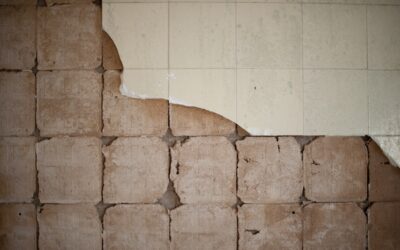
- Cement grout haze: the cloudy film left when grout residue dries on the tile face after installation. Fresh haze is easiest to remove within the first couple of weeks.
- Efflorescence: white, powdery salt deposits that migrate up through grout and mortar from moisture underneath, common on patios, basements, and shower floors.
- Hard-water scale: crusty white or tan rings around shower drains, tub edges, and on tile walls in areas with mineral-heavy water.
- Rust stains: some acid tile cleaners also lift light rust marks from glazed porcelain.
Acid washing does not remove grease, soap scum built from body oils, mold, or organic stains well. Those respond better to alkaline degreasers or oxygen-based cleaners. Using acid on the wrong stain just wears the grout for no benefit.
Tiles and Surfaces Acid Will Ruin
Before you open any acid product, confirm what you are cleaning. Tile cleaning acid will damage:
- Marble, limestone, travertine, and onyx: calcium carbonate stone etches instantly, even with a weak acid like vinegar or lemon juice.
- Terrazzo and cement tile: both contain cement or marble chips that dissolve.
- Some slate and sandstone: results vary, so test or avoid.
- Unglazed or handmade tile with a soft surface: acid can roughen or discolor it.
- Metal trim, fixtures, and drains: chrome, brass, aluminum, and stainless can pit or discolor; tape or cover them.
- Epoxy grout and colored grout: check the grout maker’s guidance, since some colors fade.
If you are not sure whether a tile is porcelain or stone, look at a cut edge or the back of a leftover piece. Porcelain is uniform and dense; natural stone shows veining and variation through the body. A single drop of diluted vinegar on a hidden spot will fizz or dull on calcium-based stone, which is a quick warning sign.
Safety Gear and Ventilation
Acid cleaners are corrosive. Treat the job like any chemical project:
- Acid-resistant chemical gloves: long cuff nitrile, neoprene, or butyl rated for acids, not thin disposable gloves.
- Splash goggles: sealed goggles rather than open safety glasses.
- Respiratory protection: in a small bathroom or for strong products, a respirator with acid gas cartridges as the label directs.
- Long sleeves, long pants, and rubber boots: protect skin from splashes on floor work.
- Ventilation: open windows, run the exhaust fan, and use a box fan blowing out. Keep children and pets away.
Never mix acid cleaners with bleach, ammonia, or other cleaners. Acid plus bleach releases chlorine gas, which can cause serious lung injury in a confined bathroom. Rinse the area well before switching products, and keep acid containers sealed and away from heat sources, pilot lights, and metal shelving. Always add acid to water, never water to acid, to prevent violent splattering.
How to Acid Wash Tile Step by Step
For ceramic or porcelain tile with mineral deposits, follow these steps. The product label always overrides general advice, especially on dilution.
Tools and Materials
- Acid tile cleaner or grout haze remover formulated for ceramic and porcelain
- Plastic buckets (one for solution, one for clean rinse water, one for neutralizer)
- Nylon scrub brush and a white non-scratch pad; never steel wool
- Baking soda or a commercial neutralizer
- Sponge mop or wet vacuum, clean towels
- Painter’s tape and plastic sheeting for fixtures and adjacent surfaces
- Full protective gear: chemical gloves, splash goggles and a respirator as the label directs
Steps
- Wait for grout to cure. New cement grout typically needs at least 7 to 10 days, and some makers recommend longer, before any acid touches it.
- Protect the area. Tape off metal fixtures, cover nearby stone counters, and lay plastic over adjacent flooring.
- Pre-wet the surface. Soak tile and grout with clean water first. Saturated grout absorbs less acid and is less likely to be eroded.
- Dilute the cleaner. Mix to the weakest strength the label allows. For stronger acids, ratios of 1 part acid to 10 or more parts water are common, but the label rules.
- Test a small area. Apply to a hidden 2 by 2 foot spot, wait briefly, scrub, rinse, and inspect the tile and grout once dry.
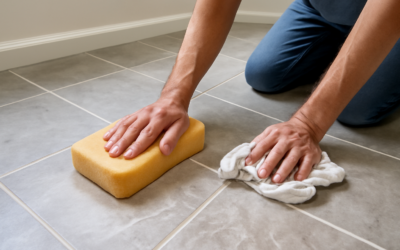
- Work in small sections. Apply solution to about 3 by 3 feet at a time, let it dwell only a few minutes, and scrub with the nylon brush. Do not let it dry on the surface.
- Rinse immediately. Flood the section with clean water and pick it up with a mop or wet vacuum.
- Neutralize. Mop the whole area with a solution of roughly 1 cup of baking soda per gallon of water, or a commercial neutralizer, to stop any remaining acid.
- Final rinse and dry. Rinse once more with clean water, dry with towels, and let the floor air dry fully.
- Reseal grout. After 24 to 72 hours of drying, apply a penetrating grout sealer, since acid strips some of the grout’s surface.
Troubleshooting Results
Haze is still visible. Repeat once with the same dilution rather than going stronger. Stubborn epoxy grout haze will not respond to acid; it needs an epoxy haze remover instead.
Grout looks lighter or sandy. The acid eroded the surface of the grout. Seal it and avoid further acid washing. Severe erosion may need regrouting.
White deposits returned. Efflorescence that keeps coming back signals ongoing moisture. Find and fix the source, such as a failed shower pan, poor drainage on a patio, or groundwater in a basement, or the salts will keep migrating up.
Tile looks dull in spots. If the tile is genuinely porcelain, the dullness is usually leftover residue, so rinse and buff dry. If it is stone, the acid etched it and a stone restoration pro will need to hone and polish it.
Metal fixtures are spotted. Rinse immediately and dry. Light marks may polish out; pitted finishes usually need replacement.
Cost Ranges and When to Call a Professional
A DIY acid wash for a bathroom or kitchen floor costs little: a bottle of tile acid cleaner, a neutralizer, brushes, and proper gloves and goggles typically fit within a modest budget. Professional tile and grout cleaning often charges by the square foot or a minimum per visit, with acid haze removal and resealing priced higher than routine cleaning. Stone restoration after accidental etching costs more, since it involves grinding, honing, and polishing.
Call a professional if you cannot confirm the tile type, if the floor mixes porcelain with stone accents, if efflorescence points to a leak or drainage problem, or if a shower pan may be failing. A licensed plumber should handle leaks behind walls or under shower floors. For patios with heavy efflorescence or haze across large areas, a pro with commercial equipment and proper chemical handling will finish faster with less risk to plants, metal railings, and neighboring surfaces.
Understanding how to acid wash tile is mostly about restraint: the right surface, the weakest effective dilution, short contact time, and a thorough neutralizing rinse. Get those right and stubborn mineral haze comes off without harming the floor.
Frequently Asked Questions
Can I acid wash porcelain tile?
Yes. Glazed and unglazed porcelain tolerate properly diluted acid cleaners well. Protect the grout by pre-wetting, keep contact time short, and neutralize and rinse thoroughly afterward.
Is it safe to acid wash marble or travertine?
No. Marble, travertine, limestone, and onyx are calcium-based and etch on contact with acid, even mild ones like vinegar. Use a pH-neutral stone cleaner and call a stone restoration pro for haze on natural stone.
How long after grouting can I acid wash tile?
Most cement grouts need at least 7 to 10 days to cure before acid cleaning, and some manufacturers recommend longer. Check the grout label, and try a non-acid grout haze remover first.
What neutralizes acid on tile floors?
A solution of about 1 cup of baking soda per gallon of water or a commercial neutralizer stops remaining acid. Follow it with a clean water rinse and dry the floor fully.
Can I mix acid cleaner with bleach to clean grout?
Never. Mixing acid with bleach releases toxic chlorine gas. Use one product at a time, rinse completely between products, and keep the room well ventilated.
Prefer to explore on your own?
See how new flooring looks in your actual room in seconds — free, no signup.
Try the free Floor Studio →