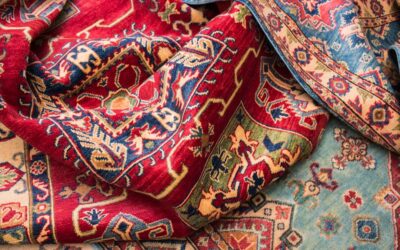
Renting a Rug Doctor for the afternoon usually costs $40 plus another $25 in solution, and for most spills and embedded dirt you do not need one. Learning how to clean a rug without a carpet cleaner comes down to three steps: aggressive dry removal, a controlled wet wash with the right cleaner for your fiber, and proper drying so you do not breed mildew. Below is exactly what works on wool, synthetic, jute, and cotton rugs, plus the mistakes that ruin them.
Identify Your Rug Material First
The wrong cleaner can shrink, fade, or rot a rug in one wash. Check the tag underneath. Most rugs fall into these groups:
- Wool: needs cool water, pH-neutral soap, never bleach. Holds water heavily.
- Synthetic (nylon, polyester, polypropylene): tolerates warm water and most detergents.
- Cotton: machine washable below 5 by 7, otherwise hand wash. Shrinks in hot water.
- Jute, sisal, seagrass: never saturate. Surface clean only.
- Silk or viscose: professional only. Do not attempt at home.
If the tag is gone, do a hidden-corner water test. A small drop should sit on the fiber briefly before absorbing. If the color bleeds onto a white cloth within 30 seconds, the dye is unstable and you cannot wet-clean it.
Start With Aggressive Dry Removal
Roughly 70 percent of what looks like dirt in a rug is dry particulate — hair, sand, skin cells, dust. Get this out before any liquid touches the rug or you will turn it into mud at the base of the fibers.
- Vacuum both sides if the rug is portable. Flip it, beat with a broom handle outdoors, then vacuum the back. Flip again and vacuum the face.
- Use the upholstery brush attachment for finer fibers; the beater bar is fine on synthetics but should be lifted on wool.
- For pet hair, drag a rubber squeegee or a damp pumice stone in one direction. It pulls embedded hair that vacuums miss.
If you skip this step, every later step performs worse. A 9 by 12 rug can release a surprising amount of trapped grit — sometimes a full cup of it.
Spot Treat Stains Before Wet Cleaning
Treat individual stains first while you can still see them. The right pre-treat depends on what spilled:
- Coffee, tea, juice: blot dry, then dab with a mix of 1 tablespoon white vinegar, 1 tablespoon dish soap, and 2 cups warm water.
- Red wine: pour table salt over the wet stain, let sit 15 minutes, vacuum, then treat with the vinegar mix above.
- Pet urine: enzymatic cleaner like Nature’s Miracle or Rocco and Roxie ($18) is the only thing that breaks down the proteins.
- Grease and food oil: cornstarch or baking soda for 30 minutes to absorb, then dish soap and warm water.
- Blood: cold water only. Hot water sets the protein permanently.
Always blot from the edge of the stain inward. Scrubbing spreads the stain and damages the fiber tip.
The Full Wet Clean Without a Machine
For a deeper refresh, mix a gentle cleaning solution and work the rug section by section. You need:
- A 5 gallon bucket of cool to lukewarm water
- 1/4 cup wool-safe detergent like Woolite, Eucalan, or a clear unscented dish soap for synthetics
- A soft bristle brush or sponge (no stiff bristles on wool)
- 2 to 3 large clean towels
- A wet-dry shop vac, optional but very helpful
Move the rug to a hard surface — garage floor, driveway, or basement slab. Work in 3 by 3 foot sections. Dampen the section with the solution, scrub gently in the direction of the pile, then rinse with a second bucket of plain cool water. Press a towel into the rug to lift out as much moisture as possible. A shop vac on wet mode pulls another 30 percent of the water out.
Drying Is Where Most People Mess Up
A rug that does not dry within 24 to 36 hours grows mildew, even if you cannot smell it yet. The backing rots from the inside out. Three rules:
- Never lay the rug flat on the floor to dry. It cannot release moisture downward and the underside ferments.
- Hang it over a railing, sawhorses, or a clothesline if possible. Outdoors with good air movement is ideal.
- Indoors, run a box fan directly under it and a dehumidifier in the room. A Frigidaire FFAP5033W1 pulls 50 pints per day and dries a 9 by 12 in 24 hours.
Flip the rug at the 12 hour mark so both sides finish at the same time. Walking on a damp rug crushes the pile permanently.
Small Rugs in the Washing Machine
If the rug is under 3 by 5 feet, has a synthetic or cotton backing (not jute or latex), and the tag says machine washable, you can run it through a front loader on a cold delicate cycle. Use half the normal detergent. Skip the top loader — the agitator destroys backings.
Tumble dry on no-heat air-only for 30 minutes to fluff the pile, then air dry to finish. Rubber-backed bath mats start to crack and shed if you tumble them on actual heat.
Maintenance to Reduce Future Deep Cleans
The right routine cuts your deep clean schedule from twice a year to once every 18 to 24 months:
- Vacuum high-traffic rugs twice a week, low-traffic rugs weekly
- Rotate the rug 180 degrees every 3 months to even out wear and sun fade
- Pre-treat spills within the first 60 seconds — speed matters more than product choice
- Use a quality rug pad. A Mohawk Dual Surface ($60) or Rug Pad USA Eco-Plush ($120) cuts pile crush by 40 percent
With those habits and the methods above, you can keep almost any rug looking sharp without ever renting a machine. Total cost in supplies for one cleaning is usually under $25, and once you know how to clean a rug without a carpet cleaner, you will not bother with rentals again unless you are tackling a 12 by 15 wall-to-wall install.