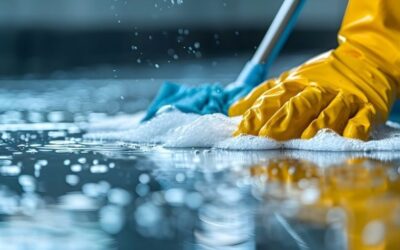
Few cleaning tasks feel more defeating than walking into a bathroom you just wiped down and seeing fresh streaks catch the morning light. Knowing how to clean bathroom mirror glass properly is less about the spray you use and more about technique, cloth quality, and the order of operations. Master a few simple steps and your mirrors will look hotel-clean even in the steamy environment of a working bathroom.
Part of our Bathroom Remodeling & Flooring guide — explore the full guide →
What Actually Causes Mirror Streaks?
Streaks come from one of three culprits: residue left by previous cleaners, mineral deposits in hard water, or fibers shed by paper towels. Most household glass cleaners contain surfactants that leave a thin film unless wiped completely dry, and that film magnifies every smudge under bathroom lighting.
Hard water also leaves invisible calcium and magnesium spots that show up as ghostly haze when steam hits the glass. If your home reads above 7 grains per gallon on a water hardness test, you will need an acid-based step in your routine, not just glass spray.
Tools You Actually Need
Skip the paper towels entirely. A 16×16 inch microfiber cloth with a tight weave, like the Mr. Siga Microfiber Cleaning Cloth or the Norwex Window Cloth, removes residue without leaving fibers behind. Buy two: one slightly damp for cleaning, one bone dry for the final buff.
A squeegee is the secret weapon professionals use. The Ettore 8-inch ProGrip Squeegee runs about $13 and removes 95 percent of the liquid in one stroke, leaving only minor finishing for the microfiber. Together they transform mirror cleaning from frustrating to almost effortless.
The Best DIY Cleaning Solution
Skip the blue commercial spray. A 50/50 mix of distilled white vinegar and distilled water in a spray bottle outperforms most name-brand glass cleaners and costs about 20 cents per bottle. Add 2 drops of dish soap if you have hairspray buildup or heavy fingerprint oils.
Distilled water is critical because tap water reintroduces the same minerals you are trying to remove. A gallon costs $1.50 at any grocery store and lasts months. For extra streak protection, add 1/4 cup of rubbing alcohol to the bottle to speed evaporation.
Step-by-Step Cleaning Method
- Run the bathroom fan for 10 minutes to drop humidity before you start.
- Wipe the mirror with a dry microfiber cloth to remove loose dust and hairspray residue.
- Spray the cleaning solution generously, covering the entire mirror surface.
- Use a slightly damp microfiber cloth to wipe in horizontal strokes from top to bottom.
- Pull a squeegee across in single vertical strokes, wiping the blade on a clean towel between passes.
- Buff the edges and any remaining marks with a bone-dry microfiber cloth.
- Inspect from multiple angles, including low and high lighting positions.
Removing Tough Spots and Hairspray
Hairspray builds up in invisible layers and gives the mirror a hazy, tacky surface. Spray straight rubbing alcohol on a microfiber cloth and wipe in circular motions until the haze breaks down. You may need two passes for mirrors that have not been deep cleaned in months.
Toothpaste splatters dry into hard white dots that resist standard cleaners. Loosen them with a paste of baking soda and water applied with your fingertip, let sit 30 seconds, then wipe and follow with your regular cleaner. Avoid abrasive sponges, which can scratch the silver backing through to the front glass over time.
Hard Water Spot Removal
For glass mirrors plagued by hard water spots, white vinegar at full strength dissolves the mineral deposits. Spray, let sit for 5 minutes, then wipe. If spots remain, apply a paste of cream of tartar and water, scrub gently with a soft cloth, and rinse with the vinegar solution.
Avoid CLR, Lime-A-Way, and similar harsh cleaners on mirrors. They can damage the silvered backing if any liquid runs to the edges or seeps behind the frame. Stick to vinegar-based methods for bathroom mirrors specifically.
Keeping Mirrors Cleaner Longer
- Run the bathroom fan during and 20 minutes after every shower. Humidity is mirror enemy number one.
- Apply Rain-X or a similar hydrophobic coating once every 3 months. Steam beads up and runs off instead of leaving spots.
- Wipe the mirror with a dry microfiber cloth daily. Takes 10 seconds and prevents buildup.
- Avoid spraying perfume or hairspray facing the mirror. The aerosol coats the glass with sticky residue.
- Install a defog pad behind the mirror if humidity is severe. Models from Clearmirror cost $80 to $150 and prevent fogging entirely.
Common Mistakes That Wreck Mirrors
Never spray cleaner directly onto an old mirror with a chipped or cracked frame. Liquid that reaches the silvered backing causes permanent black spots, sometimes called desilvering. Spray onto your cloth instead, then wipe.
Skip ammonia-based cleaners on mirrors with antique or decorative frames. Ammonia attacks gilded gold leaf, can dull silver leaf, and may discolor certain wood finishes if it splashes during cleaning. A simple vinegar mix is safer for everything.
Cleaning Frequency That Works
For a primary bathroom used daily, a quick microfiber wipe should happen weekly with a deep cleaning every 2 to 3 weeks. Guest bathrooms can usually go monthly between full cleanings if humidity stays low. Track your routine on a recurring task in your phone calendar and the work becomes a 5-minute habit rather than a frustrating weekend chore. Mirrors stay sharp, lighting bounces better, and the entire bathroom reads as cleaner with almost no extra effort.