Most streaks on a freshly cleaned mirror come from three culprits: residue from previous cleaners, the wrong cloth, or too much product. Learning how to clean mirrors the way professional house cleaners do gets you a streak-free, lint-free finish in under 60 seconds per mirror without specialty equipment. The trick is subtraction rather than addition; better results come from using less product, not more.
- The Two-Cloth System
- The Best Cleaning Solution
- Step-By-Step Process
- Stubborn Splatters (Toothpaste, Hairspray, Makeup)
- Removing Fog and Water Spots
- Cleaning Without Chemicals
- Tools Worth Owning
- Common Mistakes
- Protecting the Mirror Long-Term
- Frequency Guide
- Specialty Mirrors and Treatments
- DIY Cleaner Recipe
- Troubleshooting Persistent Streaks
The Two-Cloth System
One microfiber cloth cleans. A second dry microfiber cloth polishes. Paper towels leave lint that catches light at angles, and using the same damp cloth to dry smears residue back onto the glass. Buff the mirror dry with a fresh cloth after cleaning and streaks disappear.
Buy microfiber cloths rated for glass specifically (300 gsm or higher, tight weave). The E-Cloth Window Pack at $15 includes one cleaning cloth and one polishing cloth and outperforms almost every commercial spray.


The Best Cleaning Solution
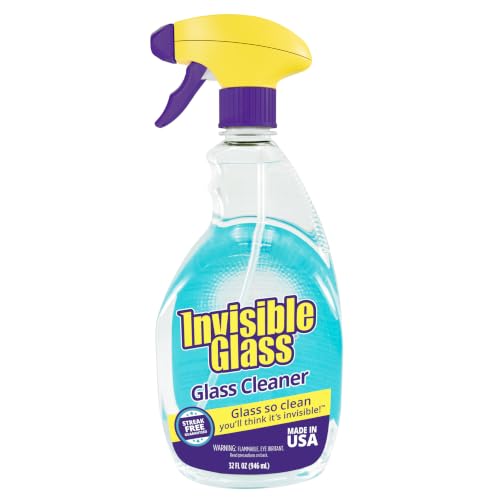
Skip Windex for residue-sensitive tasks. Ammonia-based cleaners attract more dust over time and leave a cumulative film that fogs glass. Use one of these instead:
- Distilled water and microfiber only: Works on 80 percent of daily cleaning needs. Zero residue, zero streaks.
- 50/50 distilled water and white vinegar: Cuts hairspray and toothpaste splatter in bathroom mirrors.
- Method Glass Cleaner: Plant-based, low residue, about $4 for 28 ounces.
- Sprayway Glass Cleaner: Professional favorite. Foams on application, wipes clean. Around $5 a can.
Step-By-Step Process
- Dust the mirror frame and surface with a dry microfiber to remove particles that would scratch during wet cleaning.
- Spray cleaner onto the microfiber cloth, not directly onto the mirror. This prevents overspray from pooling in frame edges and damaging wood or metal backing.
- Wipe the mirror in overlapping S-shaped passes from top to bottom. Avoid circular motions, which trap streaks at the edge of each circle.
- Immediately buff dry with a second clean microfiber cloth, following the same S-pattern.
- Inspect at an angle using available light. Spot-buff any remaining streaks with the dry cloth.
Stubborn Splatters (Toothpaste, Hairspray, Makeup)
Dried toothpaste laughs at glass cleaner. Soak the spot with a saturated cloth for 30 seconds to rehydrate the residue, then scrape gently with your fingernail or a plastic credit card. Clean as usual afterward. Hairspray responds to isopropyl alcohol on a cotton pad; dab, don’t rub, or you’ll spread it wider.
Removing Fog and Water Spots
Hard water spots on bathroom mirrors are calcium carbonate, not dirt. White vinegar full strength applied with a cloth for 5 minutes dissolves them. Rinse with distilled water and buff dry. For severely etched glass, Bar Keepers Friend Liquid polish (not the powder) applied sparingly with a damp cloth restores clarity. Never use steel wool or abrasive pads on mirrors; scratches are permanent.
Cleaning Without Chemicals
Distilled water alone on a quality microfiber cloth handles daily dust and fingerprints. Tap water leaves mineral spots in hard water regions, which is why distilled is worth the $2 per gallon. Two cloths, one spritz of distilled water, 60 seconds. Done.
Tools Worth Owning
- Four-pack of glass-specific microfiber cloths, about $12
- 32-ounce spray bottle with adjustable nozzle, $4
- Gallon of distilled water, $2
- 16-ounce white vinegar, $2
- Magic Eraser for perimeter scuffs (not the glass itself), $4
Total kit: under $25, handles every mirror in the house for years.
Common Mistakes
- Using fabric softener in the laundry on microfiber cloths. Softener coats fibers and destroys their cleaning ability permanently.
- Spraying cleaner directly on the mirror. Liquid drips behind the frame and corrodes the silver backing over time.
- Cleaning in direct sunlight. Cleaner evaporates before you can wipe it, leaving visible streaks.
- Using newspaper. An old grandmother tip that made sense for leaded newsprint but fails on modern soy-based ink.
Protecting the Mirror Long-Term
Moisture behind the mirror is what degrades the silver backing, creating black spots around the edges after 10 to 15 years. Never let cleaner pool at the bottom of the frame. Run the bathroom exhaust fan during and after showers. Seal any cracked caulk between the mirror edge and wall tile to prevent water intrusion.
Frequency Guide
Bathroom mirrors: weekly. Entry and bedroom mirrors: monthly or as fingerprints accumulate. Decorative mirrors in low-traffic areas: quarterly dusting plus an annual full clean. Knowing how to clean mirrors properly means you spend less time on the task, not more; the right technique gets you done in a minute with results that would have taken 10 with the wrong approach.
Specialty Mirrors and Treatments
Anti-fog bathroom mirrors have a hydrophilic coating that rinses clear with warm water and should never contact alcohol or ammonia; either cleaner destroys the coating within weeks. Backlit LED vanity mirrors like those from Simplehuman ($300 to $600) come with specific cleaning instructions; generally, a soft cloth with distilled water only, and avoid spraying anywhere near the illuminated perimeter. Antique and vintage mirrors often have desilvered patches; avoid applying any liquid to the edges, and clean these mirrors face-down on a soft towel to prevent cleaner from pooling at the bottom frame where it accelerates silver loss.
DIY Cleaner Recipe
For anyone who wants to skip commercial cleaners entirely, this mix outperforms most store-bought options:
- 1 cup distilled water
- 1 cup white vinegar
- 1 tablespoon cornstarch (this is the secret; cornstarch prevents streaking)
- 3 drops of dish soap
Shake vigorously in a spray bottle before each use. Cornstarch settles between uses but is harmless. This recipe costs under $1 per 16-ounce bottle and leaves zero residue.
Troubleshooting Persistent Streaks
If streaks appear immediately after cleaning, your cloth is the problem, not your technique. Microfiber cloths washed with fabric softener lose their cleaning ability permanently; replace them. If streaks appear an hour after cleaning, the ambient humidity is condensing on the mirror and highlighting residual film; run the bathroom fan for 20 minutes after each shower. If black spots appear at the corners, silver backing degradation has started and no cleaner will reverse it; the mirror needs resilvering (a specialty service running $200 to $500) or replacement.