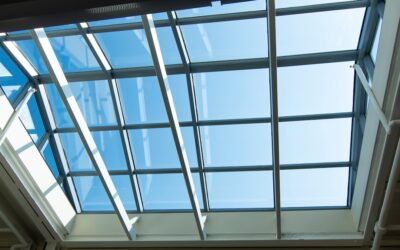
A dirty skylight can cut the daylight in a room far more than most people realize, and the usual fix (a bottle of household glass cleaner and a paper towel) can permanently haze an acrylic dome. Knowing how to clean skylights starts with identifying what the skylight is made of. Glass skylights handle ordinary glass cleaner and a squeegee. Acrylic and polycarbonate domes need mild soap and water only, because ammonia, alcohol and abrasive pads scratch and cloud them. Tubular skylights mostly need their interior diffuser wiped and the exterior dome rinsed.
Most interior cleaning can be done from the floor with a telescoping window cleaning pole and a microfiber pad. Exterior cleaning means working on or near the roof, which is the risky part, and on steep or two-story roofs it is a job for a professional. Plan on cleaning skylights once or twice a year, more often under trees or near dusty roads.
- How to Clean Skylights by Type: Cleaner and Tool Chart
- Tools and Supplies
- Cleaning the Interior With an Extension Pole
- Cleaning Tubular Skylights
- Cleaning Skylights From the Roof Side
- Glass Safety and Handling
- Troubleshooting Streaks, Haze and Stains
- Cost to Have Skylights Cleaned
- When to Call a Pro
- Frequently Asked Questions
How to Clean Skylights by Type: Cleaner and Tool Chart
| Skylight type | Safe cleaner | Tool | Avoid |
|---|---|---|---|
| Flat glass (fixed or venting) | Ammonia-free glass cleaner or 1 tsp dish soap per gallon of water | Squeegee and microfiber on an extension pole | Razor scrapers on coated glass, steel wool |
| Low-E or self-cleaning coated glass | Plain water or very mild soap | Soft sponge, hose rinse | Abrasives, harsh cleaners that damage coatings |
| Acrylic dome | Mild dish soap and lukewarm water; plastic cleaner rated for acrylic | Soft microfiber cloth or sponge | Ammonia, alcohol, solvents, paper towels, dry wiping |
| Polycarbonate dome | Mild soap and water | Soft cloth, gentle hose rinse | Solvents, abrasive pads, pressure washers |
| Tubular skylight diffuser (interior) | Damp microfiber, mild soap if needed | Step stool or short ladder | Spraying cleaner into the tube |
| Tubular skylight dome (exterior) | Water, mild soap | Hose or soft brush from a safe position | Walking on the dome, solvents |
The material matters more than anything else when you work out how to clean skylights safely. If you are not sure whether your dome is acrylic or glass, treat it as acrylic. Mild soap and water won’t hurt glass, but glass cleaner can damage plastic.
Tools and Supplies
- Telescoping window cleaning pole (6 to 12 feet reaches most vaulted ceilings)
- Microfiber pad or strip-washer head and a 10 to 14 inch squeegee that fit the pole
- Bucket, mild dish soap and lukewarm water
- Ammonia-free glass cleaner for glass units only
- Several clean microfiber cloths
- Drop cloth or old towels for the floor underneath
- Soft-bristle brush and garden hose with a gentle spray nozzle for the exterior
- Safety glasses and gloves
- Stable ladder with a helper, and fall protection if anyone goes on the roof
Cleaning the Interior With an Extension Pole
- Protect the floor. Lay a drop cloth and move furniture. Drips from a ceiling skylight travel farther than you expect.
- Dust first. Run a dry microfiber pad over the glass or dome and the shaft walls to pick up cobwebs and loose dust. Washing over dust makes mud streaks.
- Mix a mild solution. About a teaspoon of dish soap per gallon of lukewarm water works for every skylight type.
- Wash. Wring the pad until damp, not dripping, and wipe in overlapping strokes. Work from the top of a sloped skylight down so drips land on area you haven’t cleaned.
- Dry or squeegee. On glass, pull a squeegee in straight overlapping passes and wipe the blade between strokes. On acrylic, blot and wipe with a clean, dry microfiber rather than squeegeeing hard against the plastic.
- Clean the frame and well. Wipe the frame, shade tracks and light well walls. Check for water stains, which point to a leak worth investigating.
Venting and remote-controlled skylights
If the skylight opens, close it before cleaning and keep the controller out of reach of anyone else in the house. Avoid soaking motor housings, rain sensors and shade tracks. Wipe shades with a dry or barely damp cloth and follow the maker’s care instructions for fabric or pleated shades.
Cleaning Tubular Skylights
Tubular skylights have three parts: a clear dome on the roof, a reflective tube, and a diffuser lens in the ceiling. The tube is sealed and usually stays clean on its own. Inside the house, the diffuser is the part that collects dust and the occasional insect.
- Set up a step stool or short ladder directly under the diffuser.
- Most diffusers twist or unclip from the ceiling ring. Support it with both hands as it releases.
- Wash the diffuser in a sink with mild soap and lukewarm water, rinse, and air dry or wipe with microfiber.
- Look up the tube with a flashlight. If you see dust or bugs, wipe carefully with a dry microfiber on a pole without scratching the reflective lining.
- Reinstall the diffuser and confirm it is fully seated.
The exterior dome generally gets enough rain cleaning in most climates. If it looks dull, rinse it from a safe location or have it cleaned during a gutter or roof service.
Cleaning Skylights From the Roof Side
Outside cleaning removes pollen, bird droppings, tree sap and hard-water spots. It is also the only way to reach the outer pane of a double-glazed unit. Do it only on a low-slope, single-story roof in dry, calm weather, and never alone.
- Set the ladder safely. Use the 4-to-1 rule (one foot out for every four feet of height), extend it at least 3 feet above the roof edge, tie it off or have a helper foot it, and keep three points of contact.
- Stay off wet or mossy roofing and wear soft-soled shoes with good grip. Use a roof harness and anchor if you will be moving across the roof.
- Never step, kneel or lean on a skylight. Domes and glass are not designed to hold a person, and falls through skylights cause serious injuries every year.
- Rinse first with a gentle hose spray to float off grit, then wash with a soft brush or sponge and mild soap. Glass can take an ammonia-free cleaner; acrylic gets soap only.
- Rinse again and let it air dry or wipe with microfiber. Check flashing and seals for gaps while you are there.
Skip the pressure washer. High pressure can force water past seals and flashing and can etch acrylic.
Glass Safety and Handling
Wear safety glasses and gloves, especially when working overhead, where grit and drips fall toward your face. Skylight glass is typically tempered or laminated, but never strike edges, pry against the frame with metal tools, or flex a pane. A cracked or chipped skylight should not be cleaned aggressively; cover it with a tarp if water can get in and call a skylight or roofing contractor.
Troubleshooting Streaks, Haze and Stains
- Streaks on glass: Too much soap or a dirty squeegee blade. Rinse with clean water, then squeegee again with a dry blade.
- Cloudy acrylic: Light haze can come from residue and may wash off with soap and water. Hazing from UV aging or solvent damage is permanent; plastic polish rated for acrylic helps minor scuffs, but heavy crazing means the dome needs replacement.
- Hard-water spots: On glass only, a diluted vinegar solution (about 1 part white vinegar to 3 parts water) loosens mineral spots. Rinse well. Do not use vinegar on coated glass unless the manufacturer allows it.
- Tree sap: Soften with warm soapy water and let it dwell before wiping. Avoid solvents on acrylic.
- Condensation or fog between panes: That is a failed seal on an insulated unit, not dirt. Cleaning won’t fix it; the glass package or skylight needs replacement.
- Water stains in the light well: Usually a flashing problem or interior condensation. Have the roof side inspected.
Once you know how to clean skylights by type, a quick rinse and wipe every few months keeps grime from building up to the point where heavy scrubbing is tempting.
Cost to Have Skylights Cleaned
Many window cleaning companies clean skylights as an add-on, usually around $10 to $40 per skylight inside and out when they are already on site, more for steep roofs or hard-to-reach units. A standalone visit often carries a minimum charge in the $100 to $200 range. Roofers and gutter crews sometimes rinse skylights during routine service for little or nothing extra.
When to Call a Pro
Hire a professional when the skylight sits on a roof steeper than a gentle walkable pitch, on a second story or higher, or above a stairwell or open foyer where an interior ladder would be unstable. Call a skylight or roofing contractor for leaks, cracked glazing, fog between panes, or yellowed and crazed acrylic. A pro can also clean shades and check motors, sensors and flashing in one trip.
Frequently Asked Questions
Can I use glass cleaner on an acrylic skylight?
No. Many glass cleaners contain ammonia or alcohol, which can cloud and craze acrylic. Use mild dish soap, lukewarm water and a soft microfiber cloth.
How do you clean a high skylight from inside?
Use a telescoping pole with a microfiber pad and a squeegee head. Dust first, wash with mild soapy water, then squeegee or wipe dry, working from top to bottom.
How often should skylights be cleaned?
Once or twice a year is typical. Skylights under trees, near the coast or in dusty areas may need cleaning every few months.
Is it safe to walk on a skylight?
Never. Skylights are not designed to support a person’s weight. Keep clear of them on the roof and use fall protection when working nearby.
Do tubular skylights need cleaning?
Usually just the interior diffuser, which can be removed and washed with mild soap. The sealed tube rarely needs attention, and rain keeps most exterior domes reasonably clean.