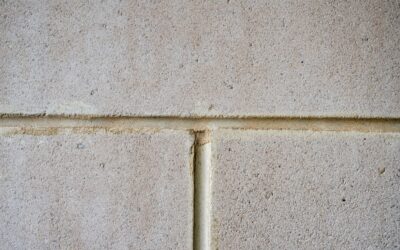
Slate floors bring unmatched natural beauty to any space — rich, layered colors, organic texture, and a geological character that no manufactured tile can replicate. But slate is a natural stone with specific care requirements that differ significantly from ceramic tile, porcelain, or vinyl. Using the wrong cleaner, skipping sealant, or neglecting the textured surface can dull your slate’s appearance and lead to staining that becomes permanent.
This guide covers how to clean slate floors properly — from daily maintenance to deep cleaning, sealing schedules, efflorescence removal, color enhancement, and professional restoration. Follow these steps to keep your slate looking stunning for decades.
Daily Care Routine
The most important step in maintaining slate floors is daily sweeping or dust mopping. Slate’s naturally textured, cleft surface traps dirt, grit, and debris in its ridges and pores far more readily than smooth tile or polished stone. If this grit is not removed regularly, foot traffic grinds it into the stone, dulling the finish and causing micro-scratches that accumulate over time.
Use a soft-bristle broom or a dry microfiber dust mop daily. Avoid stiff bristles that can scratch softer slate varieties. A vacuum cleaner works well on slate — use the hard-floor setting (spinning brush bar off) to avoid scratching. Pay extra attention to textured areas where grit settles into the natural clefts of the stone.
In high-traffic entryways and kitchens, consider sweeping twice daily. Place doormats at all exterior entrances to reduce the amount of grit tracked onto the slate. Grit is the number-one enemy of natural stone flooring — preventing it from reaching the floor is easier than removing the damage it causes.
What to Avoid on Slate
Slate is sensitive to certain chemicals that are perfectly safe on ceramic or porcelain tile. Using the wrong cleaner is the fastest way to damage your slate floors.
Never use acidic cleaners on slate. Vinegar, lemon juice, citrus-based cleaners, and bathroom cleaners containing hydrochloric acid will etch the surface, dissolve sealant, and create dull, whitish patches. This damage is permanent and cannot be wiped away — it requires professional honing to remove.
Never use alkaline cleaners (bleach, ammonia, or strong multi-purpose cleaners) on slate. While less damaging than acids, alkaline cleaners strip sealant, dull the natural color, and leave a residue that attracts dirt.
Avoid oil-based soaps like Murphy’s Oil Soap on sealed slate. They leave a buildup that traps dirt and creates a hazy film. This is a common mistake — oil soap works well on hardwood but creates problems on natural stone.
Never use abrasive pads or powders. Steel wool, scouring pads, and powdered cleansers scratch slate’s surface and remove sealant. Even “soft scrub” products are too abrasive for regular use on natural stone.
Weekly Cleaning
Weekly mopping keeps slate floors clean and maintains the sealant’s integrity.
Step 1: Sweep or vacuum to remove all loose debris first. Mopping over grit scratches the stone and spreads dirty residue into the textured surface.
Step 2: Prepare a cleaning solution using a pH-neutral stone cleaner (pH 7 to 8). Products specifically formulated for natural stone — such as Black Diamond Stoneworks Stone Wash, StoneTech Stone and Tile Cleaner, or Aqua Mix Concentrated Stone and Tile Cleaner — are the safest options. Dilute according to the manufacturer’s instructions. Do not use more than recommended — excess cleaner leaves residue.
Step 3: Mop the floor with a microfiber mop dampened (not soaking) with the cleaning solution. Work in small sections, about 4-by-4 feet at a time. For textured slate, use a soft-bristle scrub brush on especially dirty areas to work the cleaner into the stone’s natural ridges.
Step 4: Rinse the mop in clean water and go over each section again to remove any cleaning solution residue. Residue left on stone attracts dirt and creates a dull film.
Step 5: Dry the floor with a clean, dry microfiber towel or allow it to air dry. Drying prevents water spots and helps you identify any areas that need additional attention.
For more natural stone cleaning advice, visit our how to clean stone floors guide.
Sealing Slate Floors
Sealing is the single most important maintenance step for slate floors. Unlike porcelain or glazed ceramic, slate is a porous natural stone that absorbs liquids, stains, and moisture if unsealed. A quality sealant fills the stone’s pores, creating a protective barrier that repels water and prevents staining.
How often to seal: Seal slate floors upon installation and reseal every 1 to 3 years depending on traffic, wear, and the type of sealant used. Kitchen and entryway slate may need annual resealing due to heavier use. Bedroom or low-traffic slate can go 2 to 3 years between applications.
Testing if your slate needs resealing: Drop a few tablespoons of water on the slate surface. If the water beads up and sits on the surface, the sealant is intact. If the water absorbs into the stone within a few minutes, darkening the slate, it is time to reseal.
Types of sealant:
| Sealant Type | Finish | Protection Level | Resealing Frequency | Best For |
|---|---|---|---|---|
| Penetrating/impregnating sealer | Natural (no sheen change) | Excellent | Every 2 – 3 years | Most slate installations |
| Enhancing sealer | Deepens color, slight sheen | Excellent | Every 1 – 2 years | Faded or dull-looking slate |
| Topical sealer | Glossy or semi-gloss | Good (surface film) | Every 1 – 2 years | High-gloss look desired |
How to seal slate: Clean the floor thoroughly and allow it to dry completely (24 hours minimum). Apply the sealant with a paint pad applicator, lamb’s wool applicator, or microfiber cloth in thin, even coats. Work in small sections and avoid puddling. Allow the first coat to penetrate for 10 to 15 minutes, then wipe off any excess. Apply a second coat after the first has dried (typically 2 to 4 hours). Allow the final coat to cure for 24 hours before walking on it and 72 hours before placing furniture.
Color Enhancement vs Natural Look
One of the unique aspects of slate floor maintenance is the choice between preserving the natural, matte appearance or enhancing the color to bring out the stone’s full depth and richness.
Natural look (penetrating sealer): A standard penetrating sealer protects the slate without significantly changing its appearance. The slate retains its natural matte finish and subtle color. This is the preferred approach for minimalist and contemporary interiors where the stone’s understated, organic appearance is desired.
Enhanced look (color-enhancing sealer or stone enhancer): An enhancing sealer or a separate stone enhancer product deepens the slate’s colors dramatically — greens become richer, rusts intensify, and the layered color variation that makes slate beautiful becomes much more vivid. The effect is similar to how slate looks when wet, but permanent. This approach works beautifully in rustic, traditional, and warm-toned interiors.
You can test both looks on a spare tile or an inconspicuous corner before committing to the entire floor. Once an enhancer is applied and absorbed, it is difficult to return to the natural look without professional stripping.
Removing White Haze (Efflorescence)
Efflorescence is the white, powdery or hazy deposit that sometimes appears on slate floors, particularly after installation or in damp environments. It is caused by water-soluble salts migrating through the stone and crystallizing on the surface as moisture evaporates.
Causes: Efflorescence is most common in the first few months after installation as moisture from thinset, grout, and the subfloor works its way through the stone. It can also occur in basements, near exterior walls, or anywhere groundwater moisture travels through the slab and up through the slate.
Removal: For mild efflorescence, dry brushing with a stiff (but non-metallic) brush followed by vacuuming removes the surface crystals. For stubborn deposits, use a dedicated efflorescence remover designed for natural stone. These products are mildly acidic — just enough to dissolve mineral deposits without damaging the slate. Apply the remover, allow it to sit for the recommended time (usually 5 to 10 minutes), scrub gently, and rinse thoroughly with clean water. Never use strong acids like muriatic acid on slate.
Prevention: Once efflorescence is removed, sealing the slate with a penetrating sealer blocks further salt migration. Address any underlying moisture issues — a wet basement or poor grading will cause recurring efflorescence regardless of how many times you clean and seal.
Deep Cleaning
Deep cleaning your slate floors once or twice a year removes embedded dirt, old sealant residue, and grime that regular mopping misses.
Step 1: Sweep or vacuum thoroughly to remove all surface debris.
Step 2: Apply a stone-specific deep cleaner or alkaline stone cleaner diluted according to directions. Alkaline (not acidic) deep cleaners are appropriate for occasional deep cleaning — they cut through grease and embedded soil without etching. Apply to a manageable section (4-by-6 feet).
Step 3: Scrub with a medium-bristle nylon brush, working the cleaner into the textured surface. A floor-scrubbing machine with a nylon pad makes large areas more manageable.
Step 4: Extract the dirty solution with a wet vacuum or mop up thoroughly. Rinse the section with clean water and extract again. Any cleaner residue left behind attracts fresh dirt.
Step 5: Allow the floor to dry completely (12 to 24 hours) and inspect. If the slate looks dull or the water test shows absorption, reseal after the deep clean.
Stain Removal
Different stains on slate floors require different treatment approaches.
| Stain Type | Treatment | Notes |
|---|---|---|
| Oil/grease | Poultice (baking soda + water paste, cover 24 hrs) | The poultice draws oil out of the stone |
| Organic (coffee, wine, food) | Hydrogen peroxide (12%) + a few drops of ammonia | Test in inconspicuous area first |
| Rust | Rust-specific stone stain remover | Never use acid-based rust removers on slate |
| Water rings | Buff with fine steel wool (0000 grade) + stone polish | Very light pressure only |
| Paint | Carefully scrape with plastic razor, then clean | Avoid metal scrapers that gouge the stone |
The key to stain removal on slate is speed. Blot spills immediately — do not wipe, which spreads the stain. Apply an absorbent material (paper towel, baking soda) to draw the liquid out of the stone’s pores before it sets.
Professional Restoration
When slate floors have been neglected, improperly cleaned, or are decades old, professional stone restoration can bring them back to life.
Professional restoration typically includes deep cleaning with commercial-grade equipment, stripping old sealant and buildup, honing (light grinding to remove etching and deep scratches), sealing or enhancing, and grout cleaning or replacement. The process takes 1 to 2 days for a typical room and costs $3 to $8 per square foot.
Professional restoration is worthwhile when the slate has widespread etching from acidic cleaner use, heavy staining that home methods cannot remove, buildup from years of wrong cleaning products, or when you want to change from a natural to enhanced look (or vice versa) across the entire floor.
For homes with multiple types of natural stone, our comprehensive stone floor cleaning guide covers maintenance for marble, travertine, limestone, and granite alongside slate.
Frequently Asked Questions
Can I use vinegar to clean slate floors?
No. Vinegar is acidic (pH 2 to 3) and will etch slate, dissolve sealant, and create permanent dull spots. This is the single most common mistake slate floor owners make. Use only pH-neutral (pH 7 to 8) cleaners specifically formulated for natural stone.
How often should I seal my slate floor?
Every 1 to 3 years depending on traffic and location. Kitchen and entryway slate should be tested annually and resealed when water no longer beads on the surface. Low-traffic areas can go 2 to 3 years between applications. Always reseal after deep cleaning.
Why does my slate floor look dull?
Dull slate is usually caused by one of three things: worn or absent sealant (reseal the floor), cleaning product buildup (deep clean to strip residue, then reseal), or acid etching from vinegar or citrus cleaners (requires professional honing to fix). If you want to deepen the color, an enhancing sealer or stone enhancer will restore vibrancy.
Can I steam clean slate floors?
Steam cleaning is generally safe for sealed slate and effectively loosens embedded dirt from the textured surface. However, excessive steam can deteriorate sealant over time, so do not steam clean more than once a month. Always test in a small area first and reseal after steam cleaning if the water test shows absorption.
How do I get white haze off my new slate floor?
White haze on new slate is usually grout haze (residue from installation) or efflorescence (mineral salt deposits). For grout haze, use a grout haze remover designed for natural stone — not the acidic type meant for porcelain. For efflorescence, dry brush and vacuum first, then use a stone-safe efflorescence remover if deposits persist. Allow new slate to fully dry (2 to 4 weeks after installation) before sealing.
What is the best mop for slate floors?
A flat microfiber mop is the best everyday mopping tool for slate. The microfiber fibers are soft enough to avoid scratching while effectively picking up dirt from the textured surface. Avoid sponge mops, which push dirty water into the stone’s pores, and string mops, which leave excess water on the floor.
Is slate flooring high maintenance?
Moderately. Slate requires more maintenance than porcelain tile or LVP — daily sweeping, pH-neutral cleaning, and periodic sealing. However, once you establish a routine and use the correct products, the maintenance is manageable. The reward is a floor with natural beauty and character that manufactured products cannot match.
Prefer to explore on your own?
See how new flooring looks in your actual room in seconds — free, no signup.
Try the free Floor Studio →