Learning how to clean top loading washing machine units keeps your laundry smelling fresh and your machine running efficiently for 10 to 14 years. Soap scum, mineral deposits, and bacteria accumulate inside the drum, agitator, and dispensers with every wash cycle. A monthly deep clean takes less than an hour and prevents the musty odors that plague neglected machines.
- Why Your Washer Needs Cleaning
- Monthly Deep Clean with Vinegar
- Baking Soda Boost for Heavy Buildup
- Cleaning the Agitator and Dispensers
- Cleaning the Exterior and Lid
- Using Commercial Washing Machine Cleaners
- Preventing Odors Between Cleanings
- Washing Machine Smells Like Mildew Top Loader: Finding the Hidden Source
Why Your Washer Needs Cleaning
Detergent residue and fabric softener leave a thin film inside the drum after every cycle. Hard water compounds the problem by depositing calcium and magnesium minerals on internal surfaces. Over time, this buildup creates a breeding ground for mold and mildew that transfers onto your supposedly clean clothes.
That sour smell coming from your washer is not your imagination. Bacteria thrive in the warm, damp environment between wash cycles. Regular cleaning eliminates these odor-causing organisms and restores your machine’s ability to actually clean your clothes rather than just moving them around in dirty water.
Monthly Deep Clean with Vinegar
White vinegar is the most effective and economical cleaning agent for top-loading washers. Set your machine to the hottest water setting and the largest load size. Pour 4 cups of white distilled vinegar directly into the drum, not the dispenser.
- Start the wash cycle and let the drum fill completely
- Pause the cycle once agitation begins and let the vinegar solution soak for 30 to 60 minutes
- While soaking, dip a microfiber cloth in the vinegar water and wipe down the lid, rim, and exterior
- Resume the cycle and let it complete fully
- Run a second cycle with just hot water to rinse
The acetic acid in vinegar dissolves mineral deposits and kills mold and bacteria without damaging rubber seals or the drum finish.
Baking Soda Boost for Heavy Buildup
For machines that have not been cleaned in 6+ months, combine vinegar with baking soda for extra cleaning power. After the vinegar soak cycle drains, sprinkle 1 cup of baking soda directly into the empty drum. Run another hot cycle; the mild abrasive action scours away stubborn buildup.
Do not add vinegar and baking soda simultaneously. They neutralize each other and reduce cleaning effectiveness. Run them in separate cycles: vinegar first, baking soda second. This two-step approach handles even the worst accumulation and eliminates odors that vinegar alone cannot fully address.
Cleaning the Agitator and Dispensers
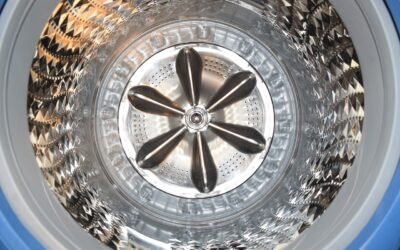
On traditional top-loaders with a center agitator, grime collects under the agitator cap and around the base. Most agitator caps pop off by hand or with a flathead screwdriver. Remove it, scrub with an old toothbrush and vinegar, and rinse thoroughly.
Fabric softener and bleach dispensers slide out on most models. Soak them in a sink filled with warm water and 1 cup of vinegar for 15 minutes, then scrub with a bottle brush. Clogged dispensers lead to improper detergent distribution and streaks on your clothes. Clean these at least every 2 to 3 months.
Cleaning the Exterior and Lid
Wipe down the top, sides, and control panel with an all-purpose cleaner or a vinegar-water spray (50/50 mix). Pay attention to the underside of the lid where moisture condenses and mold spots form. A toothbrush works well for the hinge crevices where grime accumulates.
For stainless steel exteriors, use a dedicated stainless steel cleaner to avoid streaking. Always wipe in the direction of the grain. Clean the drain pump filter if your model has one (check the owner’s manual). Trapped lint, coins, and debris here restrict water flow and cause drainage problems.
Using Commercial Washing Machine Cleaners
Store-bought washer cleaning tablets and powders offer convenience. Drop a tablet into the drum, run a clean cycle, and you are done. These products use surfactants and oxygen-based bleach to dissolve buildup. Never mix them with vinegar or other cleaners in the same cycle, and never mix bleach with ammonia or vinegar.
They work well for routine monthly maintenance, though vinegar and baking soda handle heavy buildup more effectively at a fraction of the cost. If your machine has a dedicated “Clean Washer” cycle, use it. These cycles run hotter and longer than standard cycles specifically to sanitize the interior. Many newer models include this feature.
Preventing Odors Between Cleanings
Leave the lid open after every wash cycle. This allows air circulation that dries the drum interior and prevents mold growth. Mold needs moisture to survive, and removing that moisture is the single most effective prevention strategy.
Use the correct amount of detergent. Excess soap leaves more residue, which feeds bacteria. High-efficiency (HE) top-loaders require HE detergent, typically 2 tablespoons per load rather than the full cap many people pour in. Remove wet clothes promptly after the cycle ends rather than letting them sit for hours. Following these simple habits between monthly deep cleans keeps your top loading washing machine fresh and performing at its best.
Washing Machine Smells Like Mildew Top Loader: Finding the Hidden Source
A monthly cleaning cycle handles most odors, but sometimes the musty smell returns within days. When a washing machine smells like mildew top loader owners often keep repeating the same cleaning cycle without checking the places that cycle never reaches. Tracking down the real source saves time and stops the smell for good.
Look Under the Tub Rim and Behind the Wash Basket
Many top loaders have a plastic ring or lip around the top of the outer tub that hides a band of slimy residue. Water splashes up during agitation, but rinse water rarely reaches it. Unplug the machine, then use a flashlight to look under the rim and down the gap between the wash basket and the outer tub. A long, flexible brush or a microfiber cloth wrapped around a paint stirrer reaches most of it. Wipe with warm water and a little dish soap, then run a hot rinse. Gray or black spots here often explain why the smell came back after a full cleaning cycle.
Check the Drain Hose and Standpipe
If the odor smells more like sewer gas or rotten eggs than damp laundry, the problem may be outside the machine. The washer drain hose usually hooks into a standpipe that connects to a trap. When the trap dries out or the hose is pushed too far down the pipe, drain odors can drift back into the drum. The hose should sit loosely in the standpipe with an air gap, not sealed tight with tape. A slow-draining standpipe that gurgles or backs up is a job for a plumber.
Rule Out the Water Heater
A sulfur smell that appears only on warm or hot cycles can come from the water heater rather than the washer. Run hot water at a nearby sink. If it smells the same, the source is the heater or the water supply, and a plumber can check the tank and its components.
Change the Habits That Feed Mildew
- All cold washes: constant cold water lets residue build up. Run a hot or warm cycle with a regular load now and then.
- Fabric softener overuse: softener leaves a waxy film that holds moisture. Use less or switch to wool dryer balls.
- A damp laundry room: a closed closet with no airflow keeps the drum wet for days. Run an exhaust fan or a dehumidifier.
- Wet towels in the basket: damp items left in the washer overnight spread mildew to the drum.
Never mix bleach with vinegar, ammonia, or other cleaners, and never run them in back-to-back cycles without a plain water rinse in between, since the combination releases toxic gas. Always unplug the machine before reaching inside. If you find heavy mold growth in the laundry area beyond the washer, fix the moisture source first, and call a mold professional for patches larger than about 10 square feet. Once a washing machine smells like mildew top loader cleaning has failed to fix, these hidden spots are almost always the answer.