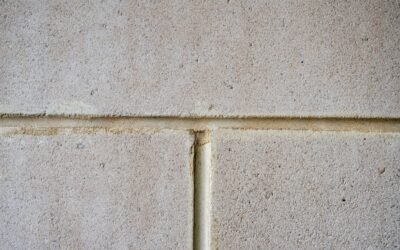
Unsealed grout is a sponge for everything that hits your floor. Coffee, mud, soap residue, hair dye, and bare feet all leave a record in the porous cement matrix. Learning how to clean unsealed grout the right way means avoiding the acidic cleaners that grocery store shelves push and reaching instead for the alkaline and oxygen-based options that actually lift dirt without etching the surface. Sealing comes after cleaning, never before.
Part of our Tile & Grout guide — explore the full guide →
- Why Unsealed Grout Behaves Differently
- Tools and Products to Have on Hand
- Step-by-Step Cleaning Method
- Oxygen Bleach for Set-In Stains
- Brand-Specific Cleaners Worth the Money
- What to Avoid at All Costs
- When to Call a Pro
- Seal the Grout Once It Is Clean
- Daily and Weekly Maintenance
- Special Cases: Colored and Sanded Grout
Why Unsealed Grout Behaves Differently
Cement-based grout starts at roughly 30 percent porosity by volume. Without a sealer film blocking the pores, every liquid that touches it wicks in within seconds. That porosity is also why aggressive acids like CLR, Lime-A-Way, or undiluted vinegar can damage unsealed grout — they etch the calcium carbonate in the mix, leaving softer, even more porous lines.
The pH of grout sits around 11 to 12. Use a cleaner with a pH between 7 and 11 (neutral to alkaline) and you preserve the material while still lifting soils. That is the entire game.


Tools and Products to Have on Hand
- Stiff nylon brush (Grout Brush by OXO, $5 at Home Depot)
- Soft toothbrush for detail work
- Microfiber cloths (Costco 36-pack, $20)
- Spray bottle for measured dilutions
- Baking soda (Arm and Hammer, $1.20 a box)
- OxiClean Versatile Stain Remover ($10 at Walmart)
- Hydrogen peroxide 3 percent (CVS, $2 a bottle)
- Bona Pro Series Hard-Surface Floor Cleaner (pH-neutral, $30 a gallon)
Skip CLR, Lime-A-Way, Comet powder, and Soft Scrub on unsealed grout. Their acids and abrasives shorten the life of the grout line every time you use them.
Step-by-Step Cleaning Method
- Sweep or vacuum the floor thoroughly. Loose dirt turns into mud the moment you add water.
- Mix 1/2 cup of baking soda with enough hydrogen peroxide to form a thin paste.
- Spread the paste over the grout lines with a small spatula or your gloved finger.
- Let it sit for 10 to 15 minutes. The oxygen bleaches discoloration while the baking soda lifts grime.
- Scrub each line with a stiff nylon brush, working in a back-and-forth motion along the line.
- Rinse with clean warm water, changing the rinse water frequently.
- Blot dry with microfiber cloths. Do not let dirty water sit on the grout.
This routine handles 90 percent of household grout cleaning without harsh chemicals. For tougher stains, escalate to oxygen bleach in the next step.
Oxygen Bleach for Set-In Stains
Mix 1 scoop of OxiClean Versatile Stain Remover into 1 quart of hot water. Stir until dissolved. Pour the solution along the grout lines and let it sit for 15 minutes. Scrub with a nylon brush and rinse with clean water.
Oxygen bleach (sodium percarbonate) is pH-neutral to mildly alkaline and breaks down to water, oxygen, and washing soda. It is safe on cement grout, color-safe tile, and porous natural stone. Bar Keepers Friend Soft Cleanser also works on tough spots, but test in a hidden corner first because its oxalic acid is mild but still slightly acidic.
Brand-Specific Cleaners Worth the Money
Specialty grout cleaners save labor but cost more per use. Three reliable options:
- Bona Pro Series Stone Tile Laminate Cleaner: pH-neutral, safe for daily use, around $30 a gallon
- Aqua Mix Heavy-Duty Tile and Grout Cleaner: alkaline, professional-grade, $35 a gallon at Floor and Decor
- Method Daily Granite Cleaner: pH-neutral, works on tile and grout, $5 a bottle at Target
The Aqua Mix product is what most tile installers use on customer floors before sealing. It pulls deep soil out of the matrix without etching.
What to Avoid at All Costs
Vinegar gets recommended online for everything, but its 5 to 7 percent acetic acid eats unsealed grout. Lemon juice, CLR, and Lime-A-Way are worse. Bleach (sodium hypochlorite) at full strength can discolor colored grout and damage rubber baseboards or floor adhesive over time. Steam cleaners blast water and detergent deep into porous grout, which can drive soil deeper rather than removing it.
Wire brushes scratch the grout surface and create more porosity. Stick to nylon bristles and replace them when they curl or splay.
When to Call a Pro
If the grout is more than 10 years old, deeply discolored, or showing crumbling edges, professional cleaning followed by color-sealing makes more economic sense than DIY scrubbing. A typical professional grout cleaning costs $1.50 to $2.50 per square foot, and color-sealing adds another $1.50 per square foot. For a 200-square-foot kitchen, expect $600 to $800 total.
Color-sealing rebuilds the grout face, restores uniform appearance, and creates a true sealed surface that resists stains for 8 to 12 years. It is often a smarter long-term solution than repeated deep cleans.
Seal the Grout Once It Is Clean
After the grout dries completely (allow 24 to 48 hours), apply a penetrating sealer. Aqua Mix Sealer’s Choice Gold ($55 a quart at Floor and Decor) and Miracle Sealants 511 Impregnator ($35 a quart) are the two most reliable options. Apply with a small foam brush along each line, wait 5 minutes, and buff off any sealer that landed on the tile face.
Reseal every 1 to 3 years in high-traffic areas. A small water-bead test tells you when it is time — if water absorbs into the grout instead of beading, the sealer is gone and dirt will follow if you do not refresh it.
Daily and Weekly Maintenance
Keep unsealed grout clean by using a pH-neutral daily floor cleaner. Bona Pro Series Stone Tile Laminate Cleaner, Black Diamond Stoneworks Marble and Tile Cleaner, and Method Daily Granite Cleaner all work for everyday mopping. Avoid Pine-Sol, Mr. Clean Original, and any ammonia-based cleaner — they leave residue that attracts more dirt over time.
Vacuum or sweep tile floors daily. Grit acts like sandpaper on grout lines, opening up the pores and allowing soil to embed deeper. A quick weekly mop with the right cleaner extends the time between deep cleans from monthly to quarterly.
Special Cases: Colored and Sanded Grout
Colored grout — especially dark gray, black, or brown — sometimes shows efflorescence (a white powdery deposit) after cleaning. This is calcium carbonate migrating to the surface as the grout cures or as water passes through. Buff it off gently with a dry microfiber, and resist the urge to use vinegar or acid cleaners that would etch the surface.
Sanded grout (used in joints wider than 1/8 inch) contains larger sand particles and has even more porosity than unsanded grout. Scrub more gently with a softer brush to avoid dislodging sand particles, and expect longer dwell times on cleaning solutions for the alkaline cleaners to do their work.