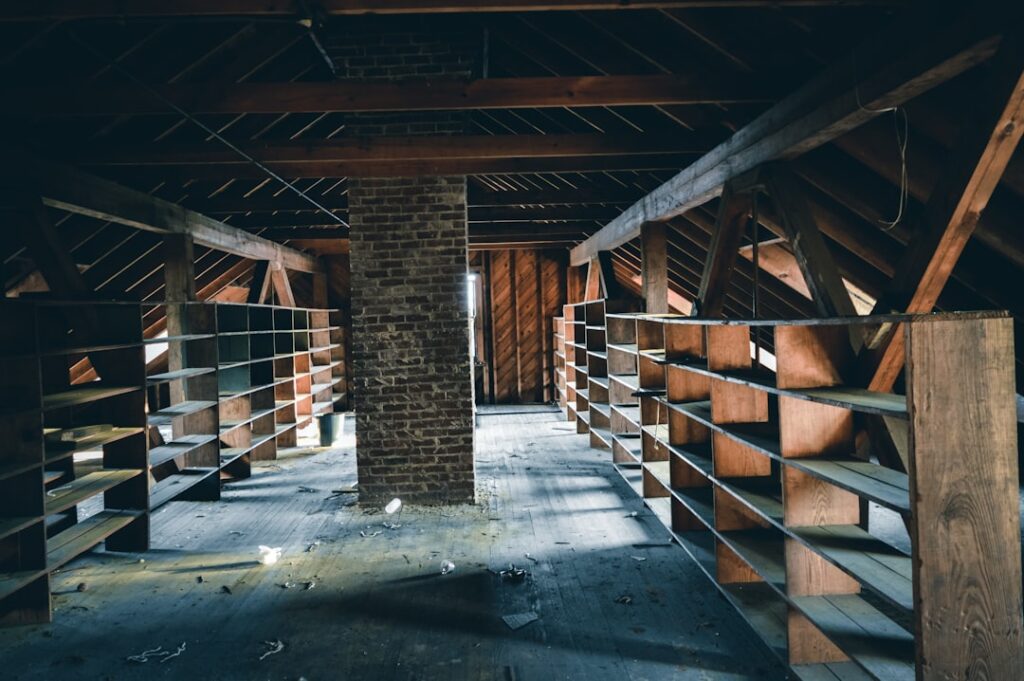
A single pair of roof rats can produce 40 to 60 offspring in one year if the attic gives them food, water, and warmth. Learning how to get rid of rats in the attic naturally matters because rodenticide creates secondary poisoning risk for owls, hawks, and the family dog — and rats often die inside walls where the smell lingers for weeks. After ten years doing wildlife exclusion work in residential properties, the methods that consistently clear an attic without poison come down to four steps: identify entry points, seal them properly, eliminate the food source, and trap the remaining rats already inside.
Confirm It Is Actually Rats
Mice, squirrels, and rats leave different evidence. Rat droppings are dark brown or black, 12 to 19 millimeters long, and shaped like spindles with pointed ends. Mouse droppings are smaller — three to seven millimeters — and look like grains of brown rice. Squirrel droppings are similar in size to rat droppings but lighter brown and rounded.
Roof rats — the most common attic invader in the southern US and coastal states — leave greasy rub marks along rafters and pipe boxing. Norway rats prefer ground level and basements. Listen at dusk and dawn for scratching, scampering, and the slow heavy gnaw of teeth on wood. Daytime activity in an attic usually means the population has grown beyond what nighttime foraging can support.
Find Every Entry Point
A rat can fit through any hole the size of a quarter — about three-quarters of an inch in diameter. Walk the exterior of your home and check these spots specifically:
- Roof-to-wall intersections where flashing has separated
- Gable vents with damaged or missing screen mesh
- Soffit corners where carpenter ants or moisture damaged the wood
- Plumbing stack collars on the roof where the rubber boot cracks
- Where utility lines enter — cable, electrical, HVAC penetrations
- Chimney chases and unscreened chimney caps
- Open garage doors with damaged weather seals
Climb into the attic with a bright flashlight in the daytime. Sunlight visible through any gap from inside means a rat can get through it. Mark every entry point with painter’s tape before you start sealing — missing even one keeps the cycle going.
Seal Entries the Right Way
Steel wool and copper mesh stuffed into gaps work because rats cannot chew through them efficiently. Pack the material tight, then cap with high-grade silicone caulk or expanding foam over the top. The chemical-free option is hardware cloth — quarter-inch galvanized mesh — cut to size and screwed over larger openings.
For gable vents and soffit vents, replace damaged screen with quarter-inch hardware cloth. Standard window screen does not stop a determined rat. Behind the cloth, the airflow you need still passes through. Allow $30 to $60 in materials for a typical home, plus a Saturday afternoon. The work pays back the first night you sleep without scratching overhead.
Eliminate Food and Water
Rats settle near food. Pet food left out overnight, bird seed in open bags, dog kibble on the patio, and unsecured garbage cans are the four most common attractants. Move pet food into metal containers with tight lids. Bring birdfeeders inside at night or move them at least 50 feet from the house. Garbage goes in a can with a locking lid.
Fruit trees in the yard need cleanup. Citrus, avocado, and pomegranate trees drop fruit that feeds local rat populations year-round in warmer climates. Rake fallen fruit weekly and bag it in sealed garbage bags. Ivy on walls also harbors rats — trim it back two feet from the house perimeter if you cannot remove it entirely.
Set Snap Traps Indoors
Snap traps remain the most humane and effective tool for rats already in the attic. Modern designs like the Tomcat Rat Snap Trap or Victor Power-Kill kill instantly when set properly. Avoid glue boards — they cause prolonged suffering and are banned in several states. Bait with peanut butter, dried fruit, or a small piece of bacon tied to the trigger with dental floss so the rat works for it.
Place traps along walls and beams where rub marks indicate active runways. Rats follow edges; they almost never run across open spaces. Use ten or twelve traps for a typical attic infestation, set perpendicular to the wall with the bait end touching the surface. Check daily for one week, then weekly until activity stops.
Natural Deterrents That Actually Help
Peppermint essential oil works as a secondary deterrent — not as a standalone solution. The strong scent disrupts rat communication. Soak cotton balls in pure peppermint oil and place them in corners, near entry points, and along beams. Refresh every two weeks. A 4-ounce bottle of food-grade peppermint oil from Plant Therapy or NOW runs about $15 and lasts a full season.
Ultrasonic repellers from brands like Bell + Howell get mixed reviews in independent testing. Some homeowners report success; controlled studies show rats habituate within two to three weeks. Use them as one layer among many, not the only line of defense. Ammonia-soaked rags simulate predator urine and provide short-term deterrence in specific corners.
Encourage Natural Predators Outside
A barn owl box mounted 12 to 15 feet up on a tree or post can host a family that eats up to 1,000 rodents per season. Properly positioned, owl boxes work better than any chemical solution for long-term population control. The Hungry Owl Project sells boxes around $200 and provides placement guidance for various US regions.
Outdoor cats also help, though they are far less effective than the internet suggests for attic rats specifically. Cats hunt at ground level; roof rats live above. Use cats as a supporting measure, not your main strategy. Foxes, coyotes, and gopher snakes all suppress rodent populations and should not be removed when they appear in suburban yards.
When to Call a Professional
Three signs say it is time to call a wildlife exclusion specialist. The infestation has spread into walls and you are hearing activity behind drywall. You have sealed every visible entry but trapping continues for more than three weeks. Or contaminated insulation needs removal and replacement — rat urine and feces require professional cleanup for health reasons.
Expect $400 to $1,500 for full exclusion work on a typical home, plus $1,500 to $4,000 for attic remediation if insulation needs replacing. Choose a company that does exclusion-only work and refuses to use rodenticide. The good ones offer a one-year warranty against re-entry once they finish sealing.