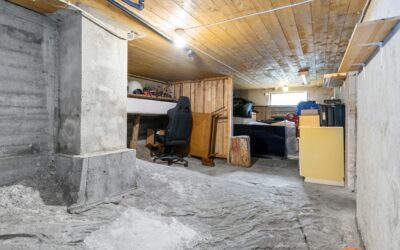
Most insects that end up in your kitchen or basement did not arrive by accident. They followed moisture, warmth or food through a gap you can seal in an afternoon. If you want to keep bugs out of house spaces for good, focus on exclusion first: close foundation cracks, seal utility penetrations, weatherstrip doors and windows, screen vents and fix the damp spots that draw pests indoors. Sprays treat the symptom; sealing removes the invitation.
When you set out to keep bugs out of house entry points, a whole-home plan works better than chasing one bug at a time. Ants, spiders, silverfish, crickets, earwigs, roaches and centipedes all use the same entry points, so one careful inspection pays off against every insect at once. It also saves energy, because the gaps that let bugs in also let heated and cooled air out.
- Why It Is Hard to Keep Bugs Out of House Walls and Floors
- Tools and Materials
- Outside the House: Foundation and Exterior
- Doors and Windows
- Basement and Crawl Space
- Kitchen and Bathrooms
- Attic, Vents and Living Areas
- Using Pest Control Products Safely
- Troubleshooting
- Cost and When to Call a Pro
- Frequently Asked Questions
Start outside, move to the foundation and basement, then work room by room upstairs. Keep a notepad and mark each gap as you find it.
Why It Is Hard to Keep Bugs Out of House Walls and Floors
Insects need three things: shelter, water and food. Houses provide all three, and most homes have dozens of small openings. A gap of 1/8 inch admits ants and spiders; 1/4 inch admits crickets and many beetles. Common entry points include:
- Cracks in the foundation and between the foundation and sill plate
- Gaps around pipes, cables, dryer vents and AC line sets
- Worn weatherstripping and missing door sweeps
- Torn window screens and unscreened vents
- Floor drains and seldom-used sink or tub drains
- Damp basements, crawl spaces and leaky plumbing that attract moisture-loving pests
Tools and Materials
- Exterior silicone or polyurethane caulk and a caulk gun
- Low-expansion spray foam
- Copper mesh for stuffing gaps around pipes
- Hydraulic cement or concrete crack filler for foundation cracks
- A weatherstripping kit for door and window jambs
- Door sweeps for every exterior door
- Fine insect mesh and staple gun for vents
- Drain covers or strainers
- Flashlight, utility knife, putty knife and work gloves
- Dehumidifier for damp basements
Outside the House: Foundation and Exterior
- Walk the perimeter with a flashlight. Look for cracks in the foundation, gaps where siding meets masonry, and openings where pipes and wires enter.
- Fill foundation cracks. For non-structural hairline cracks, use a concrete crack filler or hydraulic cement. Cracks wider than about 1/4 inch, cracks that are growing, or stair-step cracks in block walls should be evaluated by a structural professional.
- Seal utility penetrations. Stuff copper mesh around pipes and cables, then caulk over it. Foam alone can be chewed through by some pests. Seal only around the siding; leave gas meters, electrical service entries and the equipment itself to the utility or licensed trades.
- Pull mulch and plants back at least 12 inches from the foundation. Damp mulch against siding is a highway for ants, earwigs and termites.
- Fix grading and gutters so water flows away from the foundation. Wet soil near the house draws insects and feeds basement moisture.
Doors and Windows
Doors are the biggest single entry point for crawling insects. Close each exterior door and look for daylight at the bottom and along the sides. Install a door sweep on any door that shows a gap at the threshold, and replace compressed or cracked weatherstripping along the jambs. The weatherstripping kit you choose should match the jamb style: foam tape for simple stops, V-strip for sides of double-hung windows, and kerf-in bulb seals for many modern doors.
For windows, replace torn screens, check that screens fit tightly in their tracks, and re-caulk exterior trim where old caulk has cracked. Keep weep holes at the bottom of window frames open for drainage. Window AC units need the side panels sealed with foam and weatherstripping tape.
Basement and Crawl Space
If you are wondering how to get bugs out of basement spaces, start with moisture. Silverfish, centipedes, camel crickets and sowbugs thrive where humidity sits above about 60 percent. Run a dehumidifier to hold humidity between 30 and 50 percent, fix leaking pipes, insulate cold water lines that sweat, and make sure the dryer vents fully outdoors.
Seal the rim joist where the house framing sits on the foundation. It is often full of gaps. Use caulk for thin cracks and spray foam for larger ones. Cover sump pits with a sealed lid, and place strainers over floor drains. Pour a gallon of water down seldom-used floor drains every month so the trap stays filled and blocks sewer-line insects.
In crawl spaces, a vapor barrier over bare soil reduces moisture dramatically. Screen crawl space vents with fine mesh and keep access doors tight-fitting.
Kitchen and Bathrooms
- Under sinks: seal gaps where supply and drain pipes pass through the cabinet back or floor with caulk or escutcheon plates.
- Behind appliances: check where water lines and gas lines enter the wall. Seal gaps around the wall, but never disturb gas connections; those are licensed-pro only.
- Drains: run water in guest sinks and tubs weekly to keep traps full, and clean drains that attract drain flies.
- Food and trash: store food in sealed containers, wipe crumbs daily, and use a trash can with a tight lid.
- Bath fans: run the exhaust fan during and after showers so moisture does not attract silverfish.
Attic, Vents and Living Areas
Cover gable vents with fine mesh from the inside, check soffit vents for missing screens, and make sure bath and dryer vent flaps close fully. Do not put fine mesh over dryer vents; lint buildup is a fire risk. Indoors, seal gaps along baseboards, around window trim and where the ceiling meets the wall. Before removing any outlet or switch cover to add a foam gasket, turn off the breaker and confirm power is off with a non-contact voltage tester.
If your home was built before 1978, have painted trim tested for lead before scraping or sanding it during this work, and use lead-safe practices. Older homes may also have materials that contain asbestos around pipes and ducts; do not disturb them without testing.
Using Pest Control Products Safely
After sealing, some homeowners add a perimeter treatment or bait stations. If you use any insecticide, choose a product labeled for the specific pest and location, and follow the label exactly. Ventilate indoor areas, wear the gloves, eye protection and respirator the label specifies, keep children and pets away as directed, and never mix chemicals. Keep aerosol and solvent-based products away from pilot lights and other ignition sources. Store pesticides in their original containers, locked and out of reach.
Troubleshooting
- Ants keep returning in one spot: follow the trail to the entry and seal it; clean the path with soapy water to remove the scent trail.
- Spiders everywhere in fall: they follow the insects. Reduce outdoor lighting near doors and seal the gaps their prey uses.
- Silverfish or centipedes in the basement: humidity is too high. Add or upsize a dehumidifier.
- Tiny flies near drains: clean the drain and overflow thoroughly and keep traps filled.
- Bugs keep appearing despite sealing: call a pro to rule out a nest in walls or a moisture problem you cannot see.
Cost and When to Call a Pro
A thorough DIY seal-up usually costs from under a hundred to a few hundred dollars in caulk, foam, sweeps, weatherstripping and mesh. A dehumidifier is an added expense for damp basements. Professional exclusion services generally range from a few hundred dollars for basic sealing to well into four figures for extensive crawl space and attic work. Call a pro for structural foundation cracks, heavy infestations, termite signs, crawl space encapsulation or any work on gas, electrical or plumbing systems. Once the house is tight, it becomes far easier to keep bugs out of house living areas year-round.
Frequently Asked Questions
What is the best way to keep bugs out of house entry points?
Seal them. Caulk exterior cracks, stuff pipe gaps with copper mesh, install door sweeps, replace worn weatherstripping and screen vents. Reducing moisture inside removes the main attraction.
How do I keep insects out of the house naturally?
Exclusion and moisture control are natural methods. Seal gaps, fix leaks, run a dehumidifier, move mulch away from the foundation and store food in sealed containers.
How do you get bugs out of a basement?
Lower humidity to under 50 percent, fix leaks, seal the rim joist and foundation cracks, cover floor drains and remove clutter where pests hide.
Do door sweeps really stop bugs?
Yes. A sweep that touches the threshold closes one of the largest openings for crawling insects. Replace it when the brush or rubber wears.
Why do bugs come inside in the fall?
Many insects seek warm shelter as temperatures drop. Sealing gaps in late summer keeps them from overwintering in walls and attics.