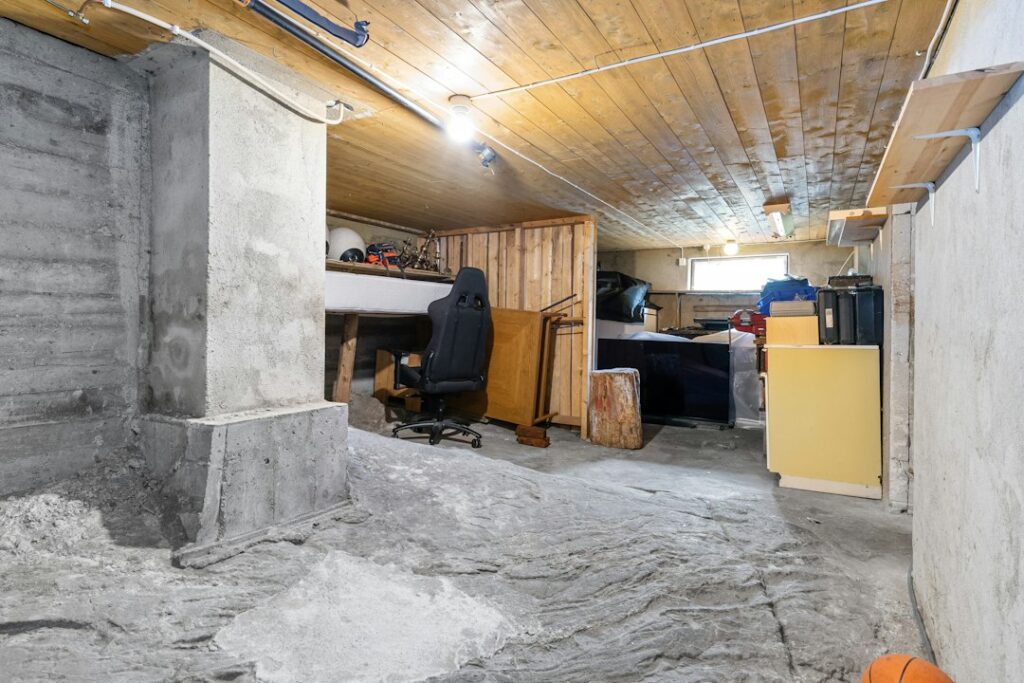
Basements attract more crawling insects than any other part of the house, and the reason is simple: they are damp, dark, rarely disturbed and full of gaps where the house meets the ground. Spiders, centipedes, silverfish, crickets, earwigs and pillbugs all follow moisture and shelter indoors. Learning how to keep bugs out of your basement means attacking both sides of the problem: sealing the ways in and making the space less inviting once they arrive.
The short answer: seal the rim joist and sill plate with caulk and foam, close gaps around pipes, wires and vents with mesh and sealant, fix window wells so they drain and have covers, run a dehumidifier to hold humidity below 50 percent, repair leaks and grading that let water in, and clear cardboard and clutter off the floor. Sticky traps help you monitor progress. For pesticides, follow the label or call a licensed pest professional.
- How to Keep Bugs Out of Your Basement: Find the Entry Points
- Tools and Materials
- Step by Step: Seal the Basement
- Cut Humidity Below 50 Percent
- Clear Clutter and Food Sources
- Monitoring and Treatments
- Troubleshooting
- Seasonal Checklist
- General Cost Ranges
- When to Call a Pro
- Frequently Asked Questions
Most homeowners see a big drop in bug activity within a few weeks once moisture comes down and the main gaps are closed.
How to Keep Bugs Out of Your Basement: Find the Entry Points
Start with an inspection on a sunny day. Turn off the basement lights and look for daylight around the perimeter. Then go outside and walk the foundation. Common openings include:
- Rim joists and sill plates: the wood framing that sits on top of the foundation wall, often with gaps between the sill and concrete.
- Pipe and wire penetrations: water lines, hose bibs, gas lines, electrical service, cable, AC lines and dryer vents.
- Window wells and basement windows: worn seals, cracked frames and wells filled with leaves and soil.
- Foundation cracks: hairline and wider cracks in poured walls or block joints.
- Floor drains and sump pits: open drains and uncovered pits.
- Exterior doors: walkout doors with missing sweeps or worn thresholds.
Tools and Materials
- Exterior-grade polyurethane or siliconized acrylic caulk
- Low-expansion spray foam, or rigid foam board cut to fit rim joist bays
- Stainless steel or copper mesh
- Hydraulic cement or concrete crack filler
- Window well covers and fresh gravel
- Door sweep and threshold seal
- Basement dehumidifier with a continuous drain hose
- Hygrometer to monitor humidity
- Sticky monitoring traps
- Sealed plastic storage totes
- Gloves, safety glasses, a respirator rated for the products you use, and a flashlight
Step by Step: Seal the Basement
1. Seal the rim joist and sill plate
Run a continuous bead of caulk where the sill plate meets the foundation and where the rim joist meets the sill. For larger gaps, stuff mesh first, then seal. Many homeowners also insulate rim joist bays with rigid foam board sealed at the edges, or with spray foam. This step blocks bugs and air leaks at the same time. Ventilate well while using spray foam and caulk, wear gloves and eye protection, and keep products away from furnace and water heater pilot lights since vapors can be flammable.
2. Close pipe and wire penetrations
Pack gaps around pipes and cables with stainless or copper mesh, then cover with caulk or foam. Seal the outside around hose bibs, dryer vents and AC lines as well. Use pest-resistant covers on dryer and exhaust vents that still allow airflow. Do not block combustion air intakes for furnaces or water heaters.
3. Fix window wells
Clear leaves, soil and debris from window wells. Make sure the well bottom has gravel and a drain so water does not pool against the window. Add a clear window well cover to keep out debris, rain and insects while still letting in light. Inspect the basement window frame and replace worn weatherstripping and cracked glazing.
4. Seal foundation cracks
Fill small cracks in poured walls with a concrete crack filler or hydraulic cement. Wide, growing or horizontal cracks, or bowing walls, signal structural movement and need evaluation by a foundation professional before you seal them.
5. Seal doors, drains and pits
Install a sweep on walkout doors and adjust the threshold. Keep floor drain traps filled with water by pouring a quart in every month or so, or use a drain cover with a one-way valve. Put a sealed lid on the sump pit.
Cut Humidity Below 50 Percent
Sealing is only half of how to keep bugs out of your basement. Moisture is the biggest draw for basement insects. Silverfish, centipedes, springtails and many beetles need high humidity to survive. A hygrometer shows where you stand; many basements sit at 60 to 70 percent in summer.
Run a basement dehumidifier sized for the space, set to about 45 to 50 percent, and route its drain hose to a floor drain or sump so it runs continuously. Plug it directly into a wall outlet, not an extension cord. Fix the sources of moisture too:
- Clean gutters and extend downspouts several feet away from the foundation.
- Grade soil so it slopes away from the house.
- Repair plumbing leaks and insulate cold water pipes that sweat.
- Vent the clothes dryer outdoors and keep the vent connection tight.
If you find mold, fix the moisture source first. Small areas under about 10 square feet can often be cleaned by a homeowner with proper protection; larger areas call for a mold remediation professional. Waterproof walls properly before finishing a basement.
Clear Clutter and Food Sources
Cardboard boxes absorb moisture and give silverfish and cockroaches food and shelter. Move stored items into sealed plastic totes on shelves at least a few inches off the floor and away from walls. Vacuum corners, under stairs and behind appliances regularly to remove webs, egg sacs and debris. Store pet food, birdseed and pantry overflow in sealed containers.
Outside, pull mulch, leaf litter and firewood back from the foundation, leaving a gravel or bare strip of 12 to 18 inches. Trim shrubs so they do not touch siding.
Monitoring and Treatments
Place sticky traps along walls, near the sump, under stairs and by windows. Check them weekly and note which bugs appear and where. Rising numbers in one corner point to an unsealed gap or moisture source nearby.
If you decide to use insecticides, choose a product labeled for indoor use against the target pest, and follow the label exactly. Wear the protective equipment the label specifies, ventilate the area, keep children and pets away, never mix products, and store chemicals sealed and away from heat and pilot lights. For persistent or heavy infestations, a licensed pest professional can identify the species and treat appropriately.
Troubleshooting
Bugs still appearing after sealing. Check humidity first. If it is above 50 percent, moisture is still drawing insects that are already in the walls or slab gaps.
Crickets in a finished basement. They often enter through walkout doors and window wells. Add sweeps and covers.
Centipedes every night. They hunt other insects. Reducing their prey and humidity reduces them.
Ants along the slab edge. Seal the slab joint and look for exterior soil piled against the foundation.
Seasonal Checklist
In spring, clean window wells, check grading after freeze and thaw, and confirm the dehumidifier drains properly. In fall, inspect caulk at the rim joist, reseal any gaps, and pull leaves away from the foundation before insects look for winter shelter.
General Cost Ranges
Most of the effective steps fit a modest weekend budget, and the dehumidifier is usually the largest single purchase. Caulk, foam and mesh are inexpensive. Window well covers range from modest to moderate depending on size. A quality basement dehumidifier costs a few hundred dollars. Rim joist insulation is a moderate DIY project. Professional pest service, foundation repair and drainage correction cost more and vary widely by home.
When to Call a Pro
Call a licensed pest professional for heavy infestations or pests you cannot identify. Call a foundation contractor for wide, growing or horizontal cracks. Call a mold remediation professional for mold over about 10 square feet. A licensed plumber should handle leaks and drain problems you cannot fix easily, and a licensed electrician should add any new outlets needed for dehumidifiers.
Frequently Asked Questions
Why are there so many bugs in my basement?
Basements are damp, dark and full of gaps at the foundation. High humidity and easy entry points attract moisture-loving insects like silverfish, centipedes and crickets.
What humidity keeps bugs out of a basement?
Keeping humidity below 50 percent makes the space much less hospitable to most moisture-loving insects. Use a hygrometer to check and a dehumidifier to maintain it.
Does sealing the rim joist really help with bugs?
Yes. The gap between the sill plate and foundation is one of the most common entry points. Sealing it blocks insects and air leaks at the same time.
Should I spray insecticide in my basement?
Sealing and moisture control come first. If you use a product, follow the label exactly or call a licensed pest professional.
Do window well covers keep bugs out?
They help by keeping out leaves, soil and rain that attract insects, and by blocking crawling pests that fall into the well.