Centipede grass has a reputation as the low-maintenance choice for Southern lawns, but that same slow, easygoing nature is exactly why homeowners get frustrated when they want it to fill in. Knowing how to make centipede grass spread comes down to working with its biology instead of against it, because unlike aggressive grasses, centipede does not throw out fast runners and it punishes overfeeding. I have coaxed thin centipede lawns into dense turf across the Gulf Coast, and the playbook is specific. Push too hard and you will kill it; do the right things in the right order and it thickens beautifully.
Understand How Centipede Spreads First
Centipede grass spreads by stolons, which are above-ground runners that creep along the soil surface and root down at each node. It does not have underground rhizomes like Bermuda, so it fills in laterally and slowly, at roughly three to six inches of horizontal growth in a good month during peak summer. There is no trick that makes it sprint. Your job is to remove every obstacle that slows those stolons down and give them ideal conditions to root at each node.
This is a warm-season grass, so all meaningful spreading happens when soil temperatures are above 70°F, roughly late spring through early fall. Trying to force growth in cool weather is wasted effort. Time your entire program to that warm window.
Fertilize Lightly, Never Heavily
Here is where most people ruin their centipede lawn. It evolved on poor, acidic soils and it does not want much nitrogen. Dumping a high-nitrogen lawn fertilizer on it triggers a flush of growth that the plant cannot sustain, leading to thatch buildup and the dreaded centipede decline that kills patches outright.
- Apply no more than 1 to 2 pounds of nitrogen per 1,000 square feet per year, split into one or two feedings.
- Use a fertilizer with a low first number and some iron, such as a 15-0-15, applied in late spring once the grass is fully green.
- Iron greens it up without forcing growth, giving you color without the risk of decline.
Feed it right and the plant puts energy into steady, healthy stolon growth. Overfeed it and you get a short-term surge followed by dieback that leaves you worse off than when you started.
Get the Soil pH Right
Centipede thrives in acidic soil, ideally a pH between 5.0 and 6.0. In soil that is too alkaline it develops iron chlorosis, turns yellow, and refuses to spread. This is one of the most common hidden reasons a centipede lawn stalls. Pull a soil test through your county extension office for about $15 to $20, and if the pH reads above 6.5, apply elemental sulfur to bring it down gradually over a season.
Do not lime a centipede lawn the way you would a fescue lawn. Adding lime raises pH and is one of the fastest ways to send centipede into decline. If a previous owner or a generic lawn service limed it, correcting the pH downward may be the single biggest thing you can do to get it spreading again.
Mow Low and Mow Often
Mowing height directly affects how well centipede creeps. Keep it short, between 1 and 2 inches, and mow before it gets shaggy. A lower canopy lets sunlight reach the soil surface and the stolon nodes, which encourages them to root and branch. Tall centipede shades its own runners and slows lateral spread.
Keep your blade sharp and never remove more than a third of the leaf height in a single pass. Return the clippings; they break down fast and recycle nutrients back to the soil, which suits centipede’s low-input nature perfectly.
Water Deeply, Then Back Off
Consistent moisture helps stolons root at each node, but centipede does not want to sit wet. Water deeply and infrequently, about 1 inch per week including rainfall, delivered in one or two soakings rather than daily sprinkles. Deep watering drives roots down and keeps the newly rooting runners hydrated through hot spells.
During active spreading in midsummer, keeping the top inch of soil consistently moist without waterlogging is the sweet spot. Once the lawn fills in, you can taper off, because established centipede is notably drought tolerant and often needs no supplemental water at all in a normal rainfall year.
Speed Up Bare Spots With Plugs or Seed
If you have real gaps to close, do not wait years for stolons to bridge them. You have three options. Plugs are two-inch chunks of established centipede planted on a grid; space them 6 to 12 inches apart in bare areas and they knit together in a season or two. Sod gives you instant coverage for high-visibility spots. Seed is the cheapest route at roughly $15 to $30 per pound, and one pound covers about 3,000 square feet, but centipede seed is slow to germinate and establish, often taking a full season to look like a lawn.
For filling in around existing turf, plugs are usually the best value. They establish faster than seed and cost far less than sod. Water them daily for the first two weeks, then transition to your normal deep-watering schedule.
Give Runners Room by Removing Competition
Centipede spreads best when nothing else is fighting for the same ground. Beyond weeds, that means addressing shade and compaction, both of which quietly stall lateral growth. Centipede needs full sun to spread vigorously; in areas that get less than six hours of direct light, the stolons stretch, thin out, and refuse to fill in no matter how well you feed and water. If tree limbs shade your thin spots, thinning the canopy to let more light through often does more for spread than any product.
Compacted soil is the other hidden brake. When soil is packed hard, stolon nodes cannot push roots down into it, so the runners crawl across the surface without anchoring and filling in. A light core aeration in early summer, right as the grass hits active growth, opens the soil so nodes can root. Unlike cool-season grasses, centipede does not need aggressive annual aeration, but a single pass on compacted, high-traffic areas can jump-start spreading where the lawn has stalled for years.
A Season-by-Season Timeline
Pulling the whole program together, here is how a year of coaxing centipede to spread should flow. The timing is everything, because doing the right task in the wrong season wastes effort or actively harms the grass.
- Early spring: apply pre-emergent for weeds; hold off on fertilizer until the grass is fully green and soil is warm.
- Late spring: once soil hits 70°F and the lawn greens up, apply your light nitrogen-and-iron feeding, plug bare spots, and begin regular low mowing.
- Summer: the peak spreading window. Keep water consistent, mow low and often, and let the stolons run.
- Late summer: optional second light feeding if the lawn needs it; continue watering through heat.
- Fall: taper feeding and watering as growth slows; avoid any nitrogen close to dormancy.
Follow that rhythm and you give the grass exactly what it needs at each stage. Push feeding too early or too late, or water when the grass is dormant, and you undo your own progress. Centipede rewards patience and punishes impatience, so trust the timeline and let the warm season do the work.
Control Weeds and Thatch
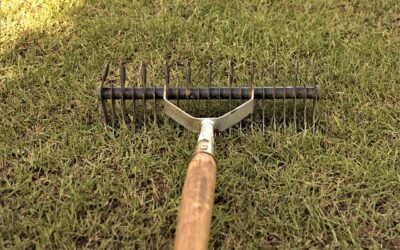
Weeds compete with centipede for the space you want it to occupy, and a thick thatch layer blocks stolons from touching soil. Keep weeds knocked back with a pre-emergent in early spring, but read the label carefully because centipede is sensitive to several common herbicides. If thatch exceeds half an inch, a light dethatching in early summer opens the canopy and lets runners reach the ground again.
Put all of this together and the pattern is clear: feed sparingly, keep the soil acidic, mow low, water deep, and plug the gaps. Do that through one warm season and a thin centipede lawn will thicken into the dense, low-maintenance carpet it is famous for. The grass will never be fast, but it will spread reliably when you stop fighting its nature and start giving it exactly what it wants.
The hardest part for most homeowners is resisting the urge to push. When a neighbor’s Bermuda lawn fills in fast, it is tempting to hit your centipede with more fertilizer and more water to keep up. Do not. That impatience is exactly what triggers centipede decline and sets you back a full season. Trust the slow, steady approach, hold your feeding light, and let the warm months do their work. A thin centipede lawn managed patiently for one or two seasons becomes a dense, drought-tolerant carpet that outperforms thirstier grasses in the long run.