Most apartment dwellers reorganize three times a year and still end up with closets that bulge and counters that disappear under mail. The fix isn’t another trip to The Container Store. Effective how to organize your apartment systems work backward from how you actually live: where you drop your keys, when you charge your phone, what time you cook. Build storage around those daily flows and the organization sticks. Build it around Pinterest aesthetics and you’ll be re-sorting drawers by April.
Start With a Hard Declutter
Before buying a single bin, pull everything off one shelf, one drawer, or one closet and put it on the floor. Touch every item and ask whether you’ve used it in the last 12 months. If the answer is no and the item has no real sentimental weight, donate, sell, or trash. The Marie Kondo question of “does it spark joy” works for some categories like clothing, but the 12-month usage test works for everything from kitchen tools to dusty hair products.
Aim to remove 20 to 30 percent of your possessions in the first pass. That sounds extreme until you realize that the average American apartment holds 300,000 objects according to a UCLA study, and most of them haven’t been touched in years. The space you reclaim is more valuable than the things you’re keeping.
Define Zones for Each Room
A 600 square foot one-bedroom apartment has about 8 functional zones: cooking, eating, sleeping, working, lounging, storing clothes, bathroom, and entry. Map each zone on paper before moving any furniture. Where do you drop keys, mail, and groceries when you walk in? Where does the laptop live during work hours? Where do dirty clothes accumulate?
Then place storage exactly at the friction point of each zone. A small tray for keys on the entry console, a charging station on the desk, a hamper inside the bedroom closet rather than behind the bathroom door. Storage that requires a 10-foot walk gets ignored. Storage at the natural drop point gets used.
The Vertical Storage Strategy
Floor space is finite and expensive per square foot. Wall space above 48 inches is almost always under-utilized. Use it. Floating shelves from Lewis Hyman or Ikea LACK at $15 to $40 each add 4 to 8 square feet of usable storage above doorways, around windows, and across hallway walls.
Over-the-door organizers work for shoes, bathroom products, pantry items, and craft supplies. The mDesign 24-pocket model at $25 holds nearly everything that creates clutter in a bedroom. Under-bed storage with the Sterilite 28-quart wheeled boxes at $12 each slides out of the way and reclaims 12 to 20 square feet of dead space.
Closet Systems That Actually Help
The single biggest organization upgrade for any apartment is a real closet system. The Ikea PAX with a 39-inch frame plus interior fittings runs about $250 to $400 and triples usable hanging and shelving versus a basic rod and shelf. For renters who can’t modify the walls, the freestanding ClosetMaid SuiteSymphony at $300 works similarly without any drilling.
Inside drawers, use Marie Kondo-style file folding for shirts and pants so you can see every item without unstacking. KonMari folding boxes or simple drawer dividers from Royexe at $15 keep folded clothes vertical. You’ll wear more of what you own when you can see everything at a glance.
Kitchen and Pantry Tricks
Decant pantry items into clear OXO Pop containers or generic clear bins. You can see exactly what’s running low without digging through cereal boxes. Label the lids with the date opened so you cycle stock and don’t get stuck with stale flour.
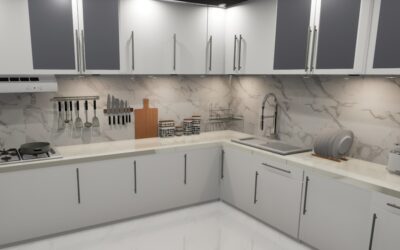
Under-cabinet rails like the Ikea KUNGSFORS at $20 add another 18 inches of vertical hanging storage for utensils, mugs, and dish towels without taking up counter space. A 2-tier turntable from YouCopia at $15 reaches the back of any cabinet and converts dead corner space into actively used storage.
Bathroom Organization in a Small Footprint
Bathrooms collect product faster than any other room. Audit the medicine cabinet quarterly and toss expired items because contact lens solution, sunscreen, and prescription meds all lose effectiveness past their dates. Use clear acrylic bins from mDesign at $8 each to group like items so you see everything at once.
An over-the-toilet shelving unit like the Spirich Home 3-tier at $80 adds 6 square feet of usable storage above the toilet tank. A tension rod inside the shower with hanging caddies organizes products without drilling. For renters in tiny bathrooms, these two upgrades alone solve 80 percent of clutter complaints.
Cable and Tech Management
Tangled cables behind a TV stand or desk are the most defeating clutter problem in modern apartments. The Velcro One-Wrap straps in 12-packs at $10 bundle cables cleanly without sticky residue. The IKEA SIGNUM cable tray at $20 screws under any desk and hides power strips and excess cable length out of sight.
Label every charger and cable with a small piece of masking tape and a Sharpie. When you have three USB-C cables and two of them charge slowly, knowing which is which saves daily frustration. For the chargers themselves, a single Anker 7-port USB hub in a hidden drawer centralizes everything and eliminates wall-wart sprawl.
Maintaining the System Long Term
Organization fails when it requires more than 5 seconds to put something away. If the bin is too high, the lid too tight, or the drawer too full, items will pile on top of furniture instead. Test each zone after setup: can you put away a coat, a coffee mug, and a stack of mail in under 30 seconds? If not, reduce the friction.
Schedule a 10-minute weekly reset every Sunday evening. Walk through each room, return out-of-place items to their zones, and toss anything that has accumulated. This single habit prevents the slow accumulation that derails every organization system, and it’s the difference between a one-time cleanup and a sustainable approach to how to organize your apartment for the long haul.