
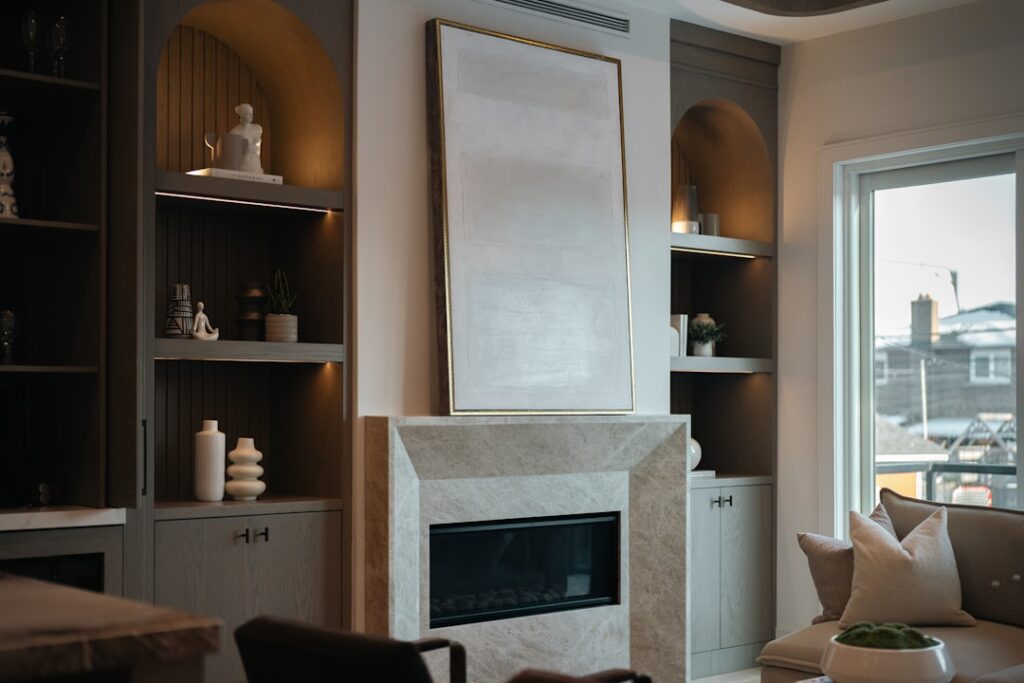
A 600 sq ft apartment organized well feels more spacious than a chaotic 1,200 sq ft house. How to organize a small apartment is more about editing belongings and designing vertical storage than it is about acquiring clever bins. The effective approach pulls three ideas together: keep less total stuff, use the upper 3-4 feet of wall height that most renters ignore, and choose furniture that does two jobs instead of one. The goal is not minimalism for its own sake but removing the friction of living in tight quarters.
Start With an Honest Purge
Small-apartment organization fails when you try to store everything you own. The first weekend of work should be a hard cull — not a reorganization of existing clutter. Empty each closet, drawer, and shelf completely. Handle each item once and make a keep/donate/trash decision. Most people remove 20-35 percent of their possessions in this pass and never miss what they got rid of.
Heavy purge categories for apartments: books you will not reread, clothes not worn in 18 months, duplicate kitchen gadgets, old paperwork, decorative items stored in boxes, and electronics from the last two upgrade cycles. Donate quality items to Goodwill or Buy Nothing groups; sell higher-value items on Facebook Marketplace or eBay.
How to Organize a Small Apartment by Going Vertical
Most renters use the bottom 4-5 feet of wall space and leave the upper 2-3 feet empty. Reclaiming that vertical space doubles usable storage without shrinking floor area. Install floor-to-ceiling shelving in closets (Elfa or IKEA Algot are the modular standards), add over-the-door organizers on every interior door, and use wall-mounted pegboards (IKEA Skadis, Wall Control) in kitchens and closets.
Bookshelves should reach the ceiling. A 42-inch tall bookcase wastes the top half of the wall; a 72-inch bookcase stores the same books plus a full second tier of decor and infrequently-accessed items up top. Books and boxes rarely accessed go on top shelves; daily items at eye and waist height.
Furniture That Earns Its Footprint
- Storage bed: Platform bed with 4-6 drawers underneath eliminates the need for a dresser
- Sleeper sofa: Combines living-room seating and guest bed
- Storage ottoman: Coffee table plus lap-blanket and remote storage
- Drop-leaf or wall-mounted table: Dining surface that folds away when not in use
- Nesting tables or stacking stools: Expandable seating and surface area
- Murphy bed: For studios where a dedicated bedroom space is impossible
- Console desk: Narrow work surface that doubles as an entry table
Avoid bulky items that do one thing. A 90-inch sectional and a full-size dining set in a 400 sq ft studio eat every usable square foot. Pick pieces scaled for the space, not hand-me-downs from a larger home.
Kitchen Storage in a Small Apartment
Apartment kitchens typically lack cabinet volume, so the counter becomes the default storage zone and starts to feel cluttered fast. Counteract this with a wall-mounted magnetic knife strip (frees drawer space), a pegboard behind the stove (holds utensils, pans, measuring spoons), a magnetic spice rack on the refrigerator side, and rail-mounted hanging baskets for produce.
Under-cabinet drawers and shelf risers are the best upgrades inside existing cabinets. A $35 pull-out drawer turns wasted deep-cabinet space into usable storage. Stackable inserts from Simplehuman, YouCopia, and mDesign make any cabinet work harder.
Closet Engineering
Landlord-installed single rod and shelf closets waste most of the space. Install a double-rod system (second rod 42 inches below the top rod) to double hanging capacity for shirts and folded pants. Add a shoe rack on the floor and hanging fabric shelves for sweaters, bags, and accessories.
Over-the-door shoe organizers with clear vinyl pockets hold much more than shoes — skincare, socks, scarves, cables, and small items all fit in the pockets and stay visible. A $15 investment doubles the useful capacity of any standard closet door.
Entry and Transitions
Carve out a defined entry zone even in a studio. A narrow console table with a drawer and two baskets underneath catches keys, mail, shoes, and bags. Wall hooks at 60 inches high hold coats, purses, and umbrellas. A slim tray at hip height collects phones and wallets. This simple setup stops clutter from migrating further into the apartment.
Hidden Storage Tricks
Under the bed is prime real estate. Rolling under-bed bins (19-20 inches wide, 5-6 inches tall) hold out-of-season clothes, extra linens, and luggage. Raise the bed with 6-inch risers ($14-$25) if the frame sits too low.
Behind doors, inside closet doors, and the back of the bathroom door all accept over-the-door racks for cleaning supplies, ironing boards, shoes, and accessories. Even 2 inches of depth makes a usable storage zone.
Inside furniture counts too. Hollow ottomans, settees with lift-tops, and bed platforms with hydraulic lift mechanisms provide substantial hidden storage without changing the look of the room.
Zoning a Studio Apartment
In a studio without walls, define zones with furniture placement and rugs. A couch facing away from the sleeping area creates a visual and functional break between the living and bedroom zones. A 6×9 rug under the bed anchors that zone; a different rug (5×7 or 6×9) under the couch anchors the living zone. Open shelving used as a room divider adds storage and definition simultaneously.
Lighting matters too. A pendant over the dining table, a floor lamp in the living zone, and bedside lamps in the sleeping zone give each area a distinct feel even in a single-room space.
Maintenance That Prevents Backsliding
Run a 20-minute reset at the end of every week — return items to their homes, empty the entry catchall, flatten the shoe rack. Do a monthly half-hour pass on one closet or drawer to catch drift. Quarterly, revisit the purge cycle on clothes and kitchen gadgets to maintain the reduced total.
The real key to small-space living is preventing influx. Every item brought into the apartment should replace an existing item, not add to the total. This discipline is harder than any shelving install but produces the biggest lasting impact on how the space feels day to day and is the single most important part of how to organize a small apartment for the long run.


