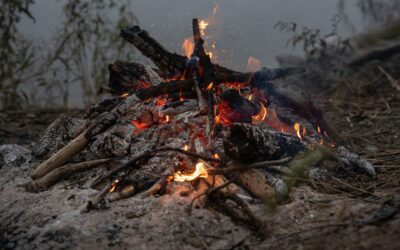
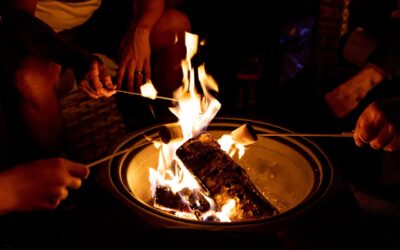
Ashes that look dead can hold live embers for a day or more, and many backyard fires start the morning after, when a breeze stirs a pile of “cold” ash against a fence or a dry lawn. Knowing how to put out a fire pit properly is not complicated, but it does take more than a splash of water. The proven method is to let the fire burn down, drown the coals, stir them, and feel for heat with the back of your hand, then repeat until nothing is warm.
For a wood fire, plan to stop adding fuel 45 minutes to an hour before you want to go inside. Spread the remaining coals, pour water slowly over every ember, stir the ashes with a shovel, pour again, and test by holding your hand close. When it is cool to the touch, it is out. For a gas fire pit, turn the burner control off, then close the supply valve or propane tank valve. Never walk away from a pit that is still warm.
- How to Put Out a Fire Pit: The Drown, Stir, Feel Method
- When Sand or Dirt Beats Water
- Extinguishing a Smokeless Steel Fire Pit
- Shutting Off a Gas Fire Pit
- Ash Disposal Done Right
- Safety Rules Before You Even Light It
- Putting Out a Campfire or Fire Ring Away From Home
- Troubleshooting
- Costs and Equipment Worth Having
- Frequently Asked Questions
The details change a little with the type of pit, so it helps to understand why each step matters and when sand or a lid makes more sense than water.
How to Put Out a Fire Pit: The Drown, Stir, Feel Method
- Let it burn down. Stop adding wood well before bedtime so the logs burn to ash and small coals. Less fuel left means less to extinguish and less steam.
- Spread the coals. Use a long-handled shovel or poker to spread logs and coals into a thin layer. Spread embers cool faster and water reaches all of them.
- Drown slowly. Pour water gently from a bucket or watering can, or use a hose on a soft shower setting. Stand upwind and back, because a blast of steam and flying ash comes off hot coals. Do not dump a full bucket at once on a roaring fire.
- Stir. Turn the wet ash and coals over with the shovel, scraping any embers off partly burned logs. Buried coals stay hot under a crust of wet ash.
- Drown again. Keep adding water and stirring until the hissing stops completely.
- Feel for heat. Hold the back of your hand just above the ashes, then carefully near the logs and pit walls. If you feel any warmth, repeat the drown and stir steps.
A typical backyard pit may take two or three buckets of water. Keep that water, a hose or a fire extinguisher close the entire time the fire is burning, not just when you are ready to put it out.
When Sand or Dirt Beats Water
Water is the most reliable extinguisher for wood coals, but there are times sand is the better choice. Some steel bowls and cast iron pits can warp or crack when cold water hits glowing-hot metal, and certain tabletop and smokeless steel fire pits recommend letting the fire burn out or smothering instead of drenching. Always check the maker’s manual for your pit.
To smother with sand or dirt, let the fire burn low, then shovel dry sand or mineral soil over the coals until they are buried, stir, and add more. Smothering cuts off oxygen but holds heat, so it takes longer to fully cool and you still need to feel for warmth before leaving. A tight-fitting metal snuffer lid works the same way on pits designed for one. Avoid using organic soil with lots of peat or bark, which can smolder.
Extinguishing a Smokeless Steel Fire Pit
Double-wall smokeless pits burn hot and efficiently, which leaves less charcoal. The usual advice is to let the wood burn completely to ash, which often takes an hour or two after the last log. If you need it out sooner, many owners use a manufacturer lid or snuffer, then leave the pit to cool. Pouring a lot of water into some steel designs can leave a soggy ash paste inside the double wall and risk discoloration or rust, so read the instructions first. Either way, the outside of the pit stays hot for a long time; keep kids and pets away until it is cool.
Shutting Off a Gas Fire Pit
Gas and propane pits are simpler. Turn the control knob to off, wait for the flame to go out, then close the supply valve on a natural gas line or the valve on top of the propane tank. Leave the cover off until the burner and media (lava rock or glass) cool, which can take 30 minutes or more. Never pour water on a gas burner, and do not use water on hot fire glass, which can crack.
If you smell gas, do not try to relight. Shut the tank or supply valve if you can do so safely, move away, and call your gas utility or a licensed gas technician. Installation and repairs to gas lines and burners are licensed-pro work.
Ash Disposal Done Right
Ashes can hold live embers for several days. Once the fire is fully out, scoop ashes into a metal ash bucket with a lid, set it on concrete or bare soil well away from the house, deck, fences and anything flammable, and leave it at least a few days. Never put ashes in a paper bag, cardboard box, plastic trash can or compost pile while there is any chance they are warm. When they are completely cold, you can bag them for the trash or sprinkle small amounts of hardwood ash on garden beds.
Safety Rules Before You Even Light It
- Check local burn rules, seasonal burn bans and your HOA before using a wood-burning pit.
- Keep the pit at least 10 to 25 feet from structures, fences, trees and overhangs, or whatever your local rules and the pit manual require, and never under a covered patio or low branches.
- Never use gasoline or lighter fluid to start or restart a fire. Vapors flash and can cause severe burns.
- Keep water, a garden hose or a fire extinguisher within reach the whole time.
- Supervise children and pets, and set a clear no-play zone around the pit.
- Do not burn on windy days, and burn only clean, dry firewood.
Putting Out a Campfire or Fire Ring Away From Home
The same drown, stir and feel routine applies at a campground fire ring, with a few extra cautions. Haul more water than you think you need, because there may be no spigot close to your site. If water is scarce, mix in dirt or sand while stirring, but never bury hot coals, which can smolder underground and creep out along roots. Pull any half-burned logs out of the ring, douse them on all sides and scrape the embers off before setting them aside. Check the ground around the ring for sparks that landed in dry grass or needles. Leave only when the entire ring is cool enough to touch, and follow any posted fire restrictions, which can change daily in dry seasons.
Troubleshooting
- Fire keeps flaring after water: logs are still burning inside; split them apart with the poker and soak each piece.
- Too much smoke and steam: you are pouring too fast; slow down and stand upwind.
- Pit still warm the next morning: stir and soak again before you scoop ashes.
- Gas flame will not go out: close the tank or supply valve and call a licensed technician; a faulty valve is not a DIY fix.
- Steel bowl warped: you likely quenched glowing metal with cold water; switch to letting it burn down or smothering.
Costs and Equipment Worth Having
The gear for safe extinguishing is inexpensive. A metal ash bucket with a lid, a long-handled shovel, a dedicated water bucket and a multipurpose fire extinguisher together cost a modest amount and pay for themselves the first time a gust carries an ember. Gas pit service calls and valve repairs cost more and should always go to a licensed professional.
Make a habit of reviewing how to put out a fire pit with everyone in the household who uses it, so nobody is tempted to walk away from warm coals or reach for the wrong extinguishing method.
Frequently Asked Questions
Can I let a fire pit burn out on its own?
Only if you stay with it until every coal is cold. Unattended embers can reignite with wind, so most fire officials advise extinguishing rather than walking away.
Is it okay to pour water on a fire pit?
For most wood-burning pits, yes, slowly and with stirring. Check the manual for steel or cast iron pits, which may warp, and never use water on gas burners or fire glass.
How do you put out a smokeless fire pit?
Let the wood burn to ash or cover it with the maker’s lid or snuffer, then let it cool completely. Many steel smokeless pits advise against heavy dousing.
How long do fire pit ashes stay hot?
Embers can stay hot for 24 hours and sometimes several days. Store ashes in a lidded metal can away from anything flammable until they are fully cold.
Can I use sand to put out a fire pit?
Yes. Dry sand smothers coals well, especially in metal pits, but it holds heat, so stir and test with your hand before leaving.