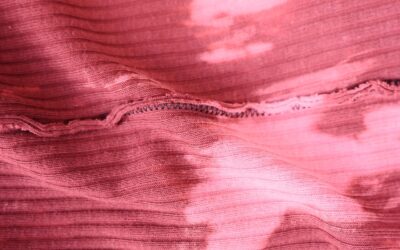
You pull a load from the dryer and your white shirt is now a faint shade of pink, or a new red sock has tinted half the wash. Knowing how to remove color stains from clothes can rescue garments that look ruined, as long as you act before heat sets the dye for good. Color bleed, dye transfer, and bright stains from food or markers all respond to the right treatment. The trick is matching the method to the stain and never running the item through a hot dryer until it’s truly clean.
Act Fast and Skip the Dryer
Time is your biggest ally with color stains. Fresh dye that’s still damp lifts far more easily than dye that’s been baked in by dryer heat. The moment you spot a transfer, keep the fabric wet and resist the urge to dry it.
Dryer heat at 130°F to 150°F essentially bonds loose dye to the fibers permanently. So if a garment comes out of the wash discolored, don’t dry it. Re-treat and rewash while the fibers are still damp and you have a real shot at full removal.
Method 1: Oxygen-Based Soak
An oxygen bleach soak is the safest first move for white and colorfast items alike. Products like OxiClean or any sodium percarbonate powder lift dye without the harshness of chlorine bleach, which can yellow whites and weaken fibers.
- Fill a basin or sink with the hottest water the fabric label allows
- Dissolve 1 to 2 scoops of oxygen bleach fully before adding the garment
- Submerge the item completely and soak 4 to 6 hours, or overnight for stubborn bleed
- Check progress, then launder as usual and air dry to confirm the stain is gone
This single method clears the majority of accidental color-transfer cases on cottons and synthetics.
Method 2: Dish Soap and Vinegar
For smaller spots or delicate fabrics that can’t take a long hot soak, a gentler spot treatment works well. White vinegar’s mild acidity helps loosen dye, and dish soap cuts through any oily binder holding pigment to the cloth.
Mix one tablespoon of dish soap with one tablespoon of white vinegar in two cups of cool water. Sponge it onto the stain, let it sit 15 to 30 minutes, then blot from the outside in to avoid spreading the color. Rinse with cool water and repeat if the stain has faded but not vanished.
Method 3: Rubbing Alcohol for Ink and Marker
Bright stains from ballpoint ink, permanent marker, or dye-based art supplies need a solvent rather than a soak. Rubbing alcohol at 70 percent or higher breaks down these pigments where water alone can’t.
Place a clean paper towel under the stain to catch the lifted ink. Dab alcohol onto a cotton ball and blot the stain, swapping to a fresh towel underneath as the color transfers off. For hand sanitizer in a pinch, the alcohol content does the same job. Launder afterward to remove any residue.
Method 4: Color Run Removers
When a whole load is discolored from a rogue red item, a dedicated dye-run product is your best bet. Carbona Color Run Remover and similar formulas, priced around $5 to $8, are built specifically to strip transferred dye from fabric without harming the original color.
Follow the package directions exactly, since most require a hot wash or a soak in hot water to activate. These removers are remarkably effective on whole-load incidents that spot treatment can’t touch. Just confirm the product is rated for your fabric before using it on anything delicate.
Treating Whites Versus Colors
Your approach should shift depending on the garment. Pure whites give you the most freedom, while colored or patterned fabrics demand a lighter touch to avoid stripping the intended dye along with the stain.
- Whites: oxygen bleach, or diluted chlorine bleach as a last resort on cotton
- Colorfast colors: oxygen bleach soak or a color-run remover
- Delicates and wool: dish soap and vinegar spot treatment only, cool water
- Synthetics: respond well to warm oxygen soaks; avoid very hot water that can set polyester dye
Always test any treatment on a hidden seam first, especially on garments you care about.
Handling Stains That Have Already Set
If a discolored garment already went through the dryer, don’t write it off yet. Set dye is harder to remove but not always permanent, especially on sturdy cottons. Your best tools become extended hot soaks and dedicated dye removers used at full strength.
Try an overnight oxygen-bleach soak in water as hot as the fabric allows, then follow with a color-run remover if the stain has only lightened. For white cottons that survived nothing else, a careful diluted chlorine bleach soak, roughly 1/4 cup per gallon for no more than 10 minutes, can be a last resort. Rinse thoroughly and inspect before any heat touches the garment again.
Common Mistakes That Make Stains Worse
A few well-meaning moves actually drive the color deeper. Avoid these and you’ll save more garments than any single product can.
- Scrubbing hard: grinds pigment into the weave instead of lifting it; blot instead
- Using hot water too soon: heat sets many dyes, so start cool unless a product specifies hot
- Drying before checking: 130°F to 150°F dryer heat bonds the stain permanently
- Mixing bleach with ammonia or vinegar: creates toxic fumes and ruins the fabric
- Skipping the patch test: a hidden seam tells you if the treatment is safe
Preventing Color Bleed in Future Loads
The easiest stain is the one that never happens. New, deeply dyed clothes are the usual culprits, so wash anything red, navy, or saturated separately for the first three or four cycles until the excess dye runs clear.
Sort loads by color, wash in cold water, and toss a color-catcher sheet in with mixed loads to trap loose dye before it lands on other items. A teaspoon of salt in the wash can also help set dye in brand-new bright clothing. Build these habits in and you’ll rarely need to remove color stains from clothes again.