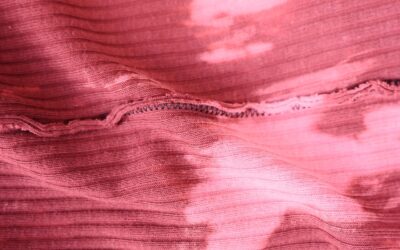
Food coloring is designed to dye, which is exactly why a splash of it on your favorite shirt feels like a disaster. But learning how to remove food coloring from clothes is far easier than the bright stain suggests, as long as you act quickly and treat it the right way. The single most important factor is speed: a fresh food coloring stain comes out far more readily than one that has been allowed to set or, worse, run through a hot dryer.
This guide walks through the fastest first steps and the most effective household treatments, with honest notes on how results vary by fabric.
- Act Fast and Skip the Heat
- Step 1: Flush With Cold Water
- Step 2: Dish Soap and Cold Water
- Step 3: White Vinegar
- Step 4: Oxygen Bleach for Set-In Stains
- Other Helpful Treatments
- Removing Food Coloring From Skin and Surfaces
- How to Prevent Food Coloring Stains
- Honest Notes by Fabric Type
- The Bottom Line
Act Fast and Skip the Heat
The moment food coloring hits fabric, the clock starts. Treat the stain immediately, before it dries, for the best chance of full removal. Two rules matter most from the start.
- Never use hot water on a fresh dye stain. Heat sets the color and makes it permanent. Always start cold.
- Do not put the item in the dryer until the stain is completely gone. Dryer heat locks in any remaining color for good.
If you can only do one thing right away, flush the stain with cold water immediately.
Step 1: Flush With Cold Water
Hold the stained fabric under cold running water, with the back of the stain facing the stream so the water pushes the dye out the way it came in, not deeper through the fibers. Keep flushing until the water runs as clear as it will get. This alone removes a surprising amount of fresh food coloring before you reach for any cleaner.
Step 2: Dish Soap and Cold Water
Liquid dish soap is a workhorse for food-based stains because it is formulated to break down what plain water cannot.
- Mix a teaspoon of liquid dish soap with two cups of cold water.
- Sponge the solution onto the stain with a clean white cloth, working from the outside of the stain inward to avoid spreading it.
- Blot, do not rub, and let it sit for several minutes.
- Rinse with cold water and check your progress.
Repeat as needed. For many fresh stains, dish soap and cold water do the whole job.
Step 3: White Vinegar
If color remains, white vinegar is a mild acid that helps loosen stubborn dye. Make a solution of one part white vinegar to two parts cold water, apply it to the stain, and let it sit for about 10 to 15 minutes. Blot with a clean cloth, then rinse. Vinegar is gentle enough for most washable fabrics and often lifts the last traces of color that soap left behind. A combination of dish soap and vinegar applied together is especially effective on tougher spots.
Step 4: Oxygen Bleach for Set-In Stains
For dried or stubborn food coloring, an oxygen-based bleach (color-safe, not chlorine) is your strongest household option. Unlike chlorine bleach, it lifts dye without bleaching out the fabric’s own color, making it safe for colored clothing.
- Dissolve oxygen bleach in cool or lukewarm water per the package directions.
- Submerge the stained garment and soak it for several hours, or overnight for tough stains.
- Check periodically and rinse, then launder as usual in cold water.
This soak is the go-to method when a stain has already dried but has not been through the dryer.
Other Helpful Treatments
- Rubbing alcohol: dab a little on the stain with a cotton ball to dissolve dye on sturdy fabrics. Test first on a hidden spot.
- Baking soda paste: a paste of baking soda and water can gently lift residue, especially combined with vinegar.
- Commercial stain remover or enzyme spray: apply, let it dwell, then wash cold.
Removing Food Coloring From Skin and Surfaces
Food coloring rarely stays on clothes alone, especially during baking projects or holiday crafts. For dyed skin, scrub with soap and warm water, then try a paste of baking soda and water or a dab of toothpaste rubbed gently over the stain. A little rubbing alcohol or even a non-gel hand sanitizer lifts stubborn dye from hands. The good news is that skin stains fade on their own within a day or two as skin cells naturally shed.
For countertops and tables, wipe spills immediately, then treat lingering color with a baking soda paste or a magic eraser on sealed surfaces. Porous materials like wood and grout absorb dye fast, so blot rather than spread and treat them quickly. Always test any cleaner on a hidden spot of a finished surface first.
How to Prevent Food Coloring Stains
The easiest stain to remove is the one that never happens. When working with food coloring for baking, dyeing eggs, or crafts, a few simple precautions save a lot of scrubbing. Wear an apron or old clothes you do not mind risking, and dress kids in smocks. Cover the work surface with newspaper, a plastic tablecloth, or a silicone mat. Use gel colors instead of liquid when possible, since they are more concentrated and less prone to splashing. Keep a damp cloth within reach so you can wipe drips the instant they happen. Taking these steps turns food coloring from a laundry hazard into a worry-free activity.
Honest Notes by Fabric Type
Results vary, and being realistic prevents disappointment.
- Cotton and sturdy synthetics: respond best and tolerate vinegar, alcohol, and oxygen-bleach soaks well.
- Delicates like silk and wool: handle gently, avoid harsh treatments and prolonged soaks, and consider a professional cleaner. Skip alcohol and aggressive scrubbing.
- White or undyed fabric: the easiest case, since you can use stronger treatments without worrying about fading the garment’s color.
- Dried or dryer-set stains: may not come out completely. Once heat has set the dye, full removal is sometimes impossible, so prevention and speed matter most.
Always check the care label and test any product on an inconspicuous area before treating the stain.
The Bottom Line
The recipe for removing food coloring from clothes is simple: move fast, start cold, and escalate gently. Flush with cold water, treat with dish soap, add vinegar if needed, and reach for an oxygen-bleach soak on set-in stains, always keeping the garment out of the dryer until the color is gone. Treat it promptly and most food coloring stains lift cleanly, saving the shirt and the day.