The right industrial flooring mats can cut worker fatigue, prevent slips, protect concrete, and keep sensitive electronics safe from static discharge. But with anti-fatigue foam, heavy rubber rolls, interlocking PVC tiles, and ESD mats all competing for attention, picking the wrong product wastes money and leaves real hazards unaddressed. This guide explains the major categories of industrial flooring mats, the materials and thicknesses to specify, realistic costs, and how to match a mat to your warehouse, garage, workshop, or commercial kitchen.
Why Industrial Mats Matter
Standing on bare concrete for an 8-hour shift compresses the spine, restricts circulation, and accelerates fatigue. The OSHA technical guidance on standing work and numerous ergonomics studies link prolonged standing to lower-limb discomfort and reduced productivity. Anti-fatigue matting encourages micro-movements in the leg muscles, which keeps blood flowing and measurably reduces reported discomfort. Beyond ergonomics, mats add slip resistance, insulate against cold floors, dampen noise, and shield expensive equipment when tools are dropped.
Anti-Fatigue Mats
These are the workhorses of any standing station. A foam, gel, or sponge-rubber core compresses slightly underfoot to relieve pressure. Thickness usually ranges from 3/8 inch for light use to 3/4 inch or 1 inch for heavy-duty stations.
- Pros: proven fatigue reduction, warm underfoot, available with beveled safety edges, many with grease- and chemical-resistant nitrile surfaces.
- Cons: foam cores wear out and compress permanently over time; edges can become trip hazards if not beveled or taped down.
- Cost: roughly $2 to $8 per square foot depending on core quality.
- Best for: assembly lines, packing stations, lab benches, retail registers, machine operators.
Rubber Matting (Rolls and Tiles)
Solid rubber matting, sold in rolls or interlocking tiles, prioritizes durability and impact protection over plush cushioning. Recycled rubber rolls are common in gyms and equipment rooms, while denser virgin rubber suits heavy traffic.
- Pros: extremely durable, slip-resistant when textured, protects subfloor from dropped tools and weights, good sound dampening.
- Cons: heavy and harder to handle, less cushioned than dedicated anti-fatigue foam, recycled rubber can off-gas an odor initially.
- Cost: roughly $1.50 to $6 per square foot.
- Best for: gyms, weight rooms, garages, loading docks, equipment areas.
Interlocking PVC Tiles
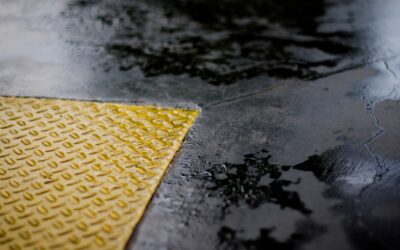
Modular PVC or vinyl tiles snap together puzzle-style, letting you cover any size area and replace single damaged tiles instead of a whole roll. Many feature raised diamond-plate or coin patterns for traction.
- Pros: easy DIY install with no adhesive, replaceable tiles, resistant to oil and chemicals, allows airflow underneath when perforated.
- Cons: seams can collect grit, less seamless than rolls, lower-grade PVC may curl at edges over time.
- Cost: roughly $2 to $7 per square foot.
- Best for: garages, workshops, trade-show floors, mechanic bays.
ESD and Anti-Static Mats
Electrostatic discharge mats protect sensitive electronics by safely dissipating static charge to ground. They are essential in electronics assembly, server rooms, and any environment handling circuit boards. Look for products meeting ANSI/ESD S20.20 program requirements and a measurable surface resistance, typically in the 10^6 to 10^9 ohm range for dissipative mats.
- Pros: prevents costly static damage to components, often combines anti-fatigue cushioning with conductivity, includes grounding cords.
- Cons: must be properly grounded to work, requires periodic verification of resistance, costs more than standard mats.
- Cost: roughly $4 to $15 per square foot.
- Best for: electronics manufacturing, repair benches, data centers, clean rooms.
Drainage Mats for Wet Areas
Where water, grease, or coolant pools, drainage mats with open grids or holes let liquid pass through so workers stand on a dry, non-slip surface. Nitrile rubber versions resist animal fats and oils, making them standard in commercial kitchens.
- Pros: keeps feet above standing liquid, strong slip resistance, grease-resistant nitrile options, easy to lift and clean underneath.
- Cons: grid openings can catch heels or cart wheels, require regular cleaning to prevent buildup.
- Cost: roughly $3 to $10 per square foot.
- Best for: commercial kitchens, bars, bottling lines, wash-down areas, food prep stations.
Materials at a Glance
- Nitrile rubber: best chemical, oil, and grease resistance; ideal for kitchens and machine shops.
- Natural and recycled rubber: durable and economical for impact protection.
- PVC/vinyl: affordable, chemical-resistant, easy to mold into interlocking tiles.
- Polyurethane and foam: lightweight cushioning for anti-fatigue comfort.
How to Choose the Right Mat
- Define the hazard. Fatigue, slips, static, dropped tools, or standing liquid each point to a different category.
- Match thickness to use. 3/8 inch for light standing, 1/2 to 3/4 inch for moderate, up to 1 inch for heavy industrial stations.
- Specify the material for your contaminants. Choose nitrile where oil and grease are present, PVC for dry chemical exposure.
- Check the edges. Beveled or ramped edges prevent trips and let carts roll over them.
- Confirm certifications. ESD applications need S20.20-aligned products; slip-resistant claims should reference a tested coefficient of friction.
Sizing, Coverage, and Layout
Plan coverage around where people actually stand, not the entire floor. A single operator station usually needs a mat about 2 by 3 feet or 3 by 5 feet, while a continuous assembly line calls for runner mats in lengths of 6, 8, or 12 feet butted end to end. Leave a small gap from walls and machinery for cleaning access, and use connector strips or ramped edges where mats meet aisles so carts and pallet jacks roll over without snagging.
For interlocking tiles, measure the room and add roughly 5 to 10 percent overage for cut border pieces. Buying from a single production run keeps color and texture consistent, which matters in customer-facing spaces like retail back-of-house and commercial kitchens.
Maintenance and Lifespan
Sweep or hose mats regularly, since trapped grit acts like sandpaper and shortens life. Anti-fatigue foam typically lasts 1 to 3 years under heavy use before the cushioning compresses; quality rubber and PVC tiles can last 5 to 10 years. Inspect for curled edges and worn spots quarterly, and replace any mat that has lost its cushioning or developed a trip hazard.
Cleaning method depends on material. Nitrile and rubber mats tolerate hot water, mild detergent, and pressure washing, which makes them practical for greasy kitchen floors. Foam-core anti-fatigue mats should be wiped rather than soaked, since saturated foam degrades faster. For drainage mats, lift them weekly and clean both the mat and the floor underneath to stop bacteria and grease buildup, a step health inspectors specifically check in food-service settings. Rotating mats periodically also evens out wear so one spot does not break down years ahead of the rest.
Final Buying Advice
The best industrial flooring mats are the ones matched to your specific risk rather than the cheapest roll available. Map each work zone to its hazard, then choose the category, material, and thickness that addresses it. Spend the extra dollars on beveled edges and nitrile surfaces where oil or grease is present, and on certified ESD products where electronics are involved. Done right, the investment pays back through fewer injuries, less downtime, and a noticeably more comfortable workforce.
Prefer to explore on your own?
See how new flooring looks in your actual room in seconds — free, no signup.
Try the free Floor Studio →