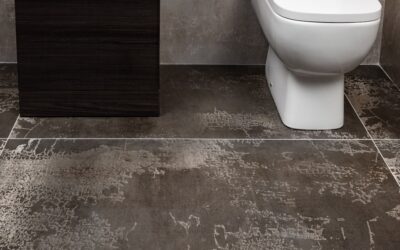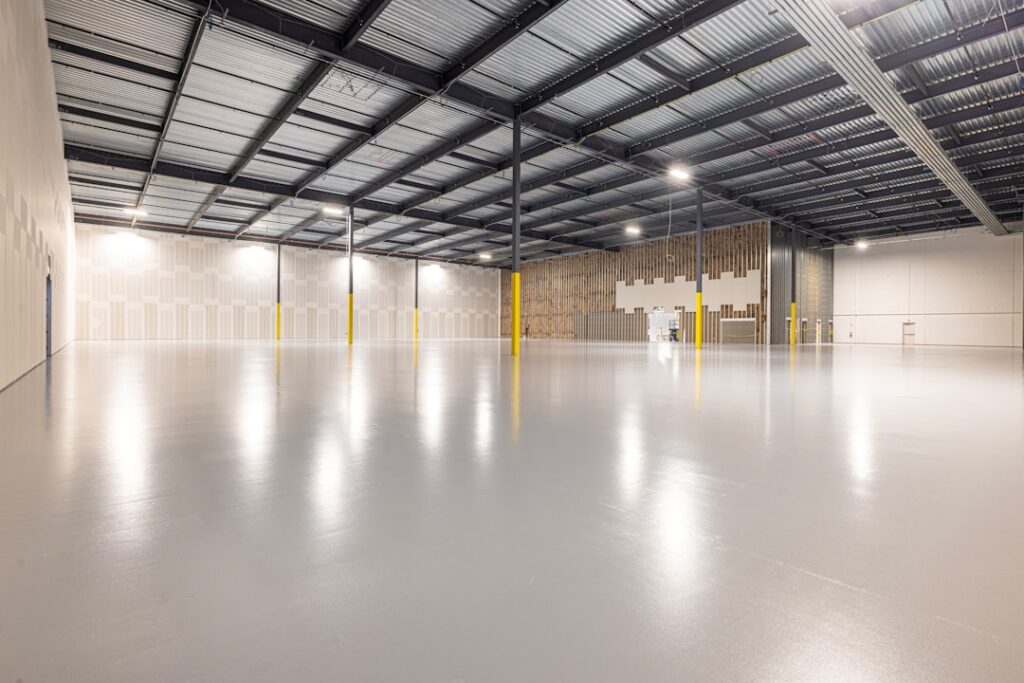
Once found only in factories and warehouses, seamless resin floors have made their way into garages, workshops, kitchens, and even sleek modern living spaces. Industrial resin flooring is prized for being extraordinarily tough, seamless, chemical-resistant, and remarkably easy to clean, which is why it now appeals to homeowners as much as facility managers. If you are considering this durable, high-performance surface for your home or workspace, this complete guide covers the types, costs, benefits, drawbacks, and installation basics you need to know.
- What Is Industrial Resin Flooring?
- Types of Resin Flooring
- Benefits of Industrial Resin Flooring
- Drawbacks to Consider
- How Much Does Industrial Resin Flooring Cost?
- Where to Use Resin Flooring at Home
- Installation Basics
- Maintenance Tips
- How Long Does Resin Flooring Last?
- Can You Install Resin Flooring Yourself?
- Decorative Options and Finishes
- Final Thoughts on Industrial Resin Flooring
What Is Industrial Resin Flooring?
Industrial resin flooring is a poured, seamless floor created by applying liquid resin over a prepared concrete base, where it cures into a hard, continuous surface. Because it is poured rather than laid in pieces, there are no seams or grout lines for dirt, moisture, or bacteria to hide in. This makes it exceptionally hygienic and easy to maintain. The resin bonds tightly to the substrate, creating a floor that resists heavy traffic, impacts, chemicals, and abrasion far better than most conventional flooring.
Types of Resin Flooring
There are several resin systems, each with different strengths:
- Epoxy: The most common and affordable option, offering excellent durability, chemical resistance, and a glossy finish. Ideal for garages, workshops, and light commercial spaces.
- Polyurethane (PU): More flexible and resistant to temperature swings and scratching, with better UV stability so it resists yellowing. Great for areas with thermal shock or heavy foot traffic.
- Polyaspartic: A fast-curing coating that can be installed in a single day and offers strong UV and abrasion resistance, popular for garage floors.
- Methyl methacrylate (MMA): A rapid-curing resin used where downtime must be minimized, curing in about an hour even in cold conditions.
Finishes range from high-gloss and satin to textured anti-slip surfaces and decorative flake or metallic effects.
Benefits of Industrial Resin Flooring
- Exceptional durability: Withstands heavy loads, impacts, and constant traffic for many years.
- Seamless and hygienic: No joints or grout to trap dirt, making it easy to keep sanitary.
- Chemical and stain resistance: Shrugs off oils, solvents, and household spills.
- Low maintenance: Sweeps and mops clean with minimal effort.
- Customizable looks: Available in many colors, plus decorative flakes and metallic finishes.
- Slip resistance: Anti-slip additives can be included for safety in wet areas.
Drawbacks to Consider
No floor is perfect. Resin systems require thorough surface preparation, and any moisture or contamination in the concrete can cause failure, so professional prep is critical. The installation involves strong odors and curing time, though newer fast-cure systems reduce downtime. Some epoxy coatings can yellow under direct sunlight unless a UV-stable topcoat is used, and a high-gloss finish can be slippery when wet without an anti-slip additive. Cracks in the underlying concrete can eventually telegraph through if not properly addressed during prep.
How Much Does Industrial Resin Flooring Cost?
Cost depends on the resin type, thickness, decorative elements, and the condition of the existing concrete:
- Basic epoxy coating: roughly $3 to $7 per square foot
- Mid-range decorative flake or metallic systems: roughly $7 to $12 per square foot
- High-performance polyurethane and MMA systems: roughly $10 to $20 or more per square foot
Extensive concrete repair, moisture mitigation, and multiple decorative layers push costs higher. For a two-car garage of around 400 square feet, a quality flake epoxy floor might run a few thousand dollars installed. While not the cheapest option upfront, the long lifespan and low maintenance make resin flooring cost-effective over time.
Where to Use Resin Flooring at Home
Resin floors are a natural fit for garages, workshops, basements, and utility rooms, where durability and easy cleaning matter most. They also work beautifully in modern kitchens, laundry rooms, and mudrooms that see spills and heavy use. Some homeowners even embrace the seamless, contemporary look throughout open-plan living spaces, using decorative metallic or polished finishes to create a sleek, industrial-chic aesthetic. Anywhere you want a tough, hygienic, and striking floor, resin is worth considering.
Installation Basics
Installation is where a resin floor succeeds or fails, and it is largely about preparation. The general process includes:
- Surface prep: The concrete is ground or shot-blasted to open the pores and create a strong mechanical bond, and any cracks or pits are repaired.
- Moisture testing: The slab is tested to ensure moisture will not undermine adhesion.
- Priming: A primer coat seals the concrete and promotes bonding.
- Applying the resin: The base resin is poured and spread evenly, with decorative flakes or pigments added as desired.
- Topcoat: A protective sealer or UV-stable topcoat is applied for durability and the final finish.
- Curing: The floor cures over hours to days depending on the system before it can bear traffic.
Because proper prep and application require skill and equipment, most homeowners hire a professional installer for the best long-term results, though simple garage epoxy kits exist for the DIY-minded.
Maintenance Tips
One of the joys of a resin floor is how little upkeep it demands. Sweep or dust-mop regularly to remove grit that could dull the finish, and damp-mop with a mild cleaner as needed. Wipe up chemical spills promptly, and place mats under areas prone to heavy abrasion. Avoid harsh abrasive pads that could scratch the topcoat. With basic care, a quality resin floor can look great for a decade or more.
How Long Does Resin Flooring Last?
Durability is one of the biggest selling points of a resin floor, and the lifespan depends on the system and how hard the floor works. A well-installed epoxy coating in a home garage or workshop commonly lasts ten to twenty years before it needs recoating, while high-performance polyurethane and MMA systems in demanding commercial settings are engineered for heavy daily abuse over a similar or longer span. The single biggest factor in longevity is the quality of the surface preparation and installation. A floor poured over poorly prepped or moisture-laden concrete can fail in a few years no matter how good the resin, while a properly installed floor keeps performing for a decade or more with only routine care.
Can You Install Resin Flooring Yourself?
Simple garage epoxy kits are marketed to homeowners, and a confident DIYer can achieve a decent result on a small, sound concrete floor. However, there are real risks to going it alone. The most common DIY failures trace back to inadequate surface preparation, skipping moisture testing, or rushing the application window before the resin sets. Consider these points before deciding:
- Proper prep requires grinding or etching the concrete, not just cleaning it.
- Moisture in the slab must be tested and addressed, or the coating will peel.
- Mixing and applying resin is time-sensitive, with a limited working window.
- High-performance systems and decorative metallic finishes really do demand professional skill.
For a basic single-color garage floor, a kit may suffice. For larger areas, decorative finishes, or anywhere failure would be costly to fix, hiring an experienced installer is the safer investment.
Decorative Options and Finishes
One reason resin flooring has crossed over from factories into homes is the sheer range of decorative finishes now available. Far from the plain gray coatings of the past, modern resin floors can be tailored to almost any aesthetic. Popular decorative options include broadcast vinyl flakes that add texture, color, and slip resistance while hiding minor imperfections; metallic epoxy that swirls pigments into striking marbled, lava-like effects; and quartz-filled systems that create a durable, textured surface ideal for wet or high-traffic areas.
You can also choose your sheen, from high-gloss finishes that reflect light and feel dramatic to satin and matte topcoats that read as more understated and contemporary. Anti-slip additives can be blended into the final coat for safety without sacrificing looks. This flexibility means a resin floor can be as industrial or as refined as you want, matching a sleek modern loft just as easily as a hardworking garage. Discuss the look you are after with your installer so the right system and finish are specified from the start.
Final Thoughts on Industrial Resin Flooring
Industrial resin flooring brings warehouse-grade toughness and a sleek, seamless finish to homes and workspaces alike. With options ranging from budget epoxy to high-performance polyurethane and eye-catching metallic designs, there is a system for nearly every need and style. Just remember that professional surface preparation is the key to a lasting result. Invest in proper prep and the right resin for your space, and you will enjoy a durable, hygienic, and beautiful floor that stands up to whatever life throws at it.
Prefer to explore on your own?
See how new flooring looks in your actual room in seconds — free, no signup.
Try the free Floor Studio →