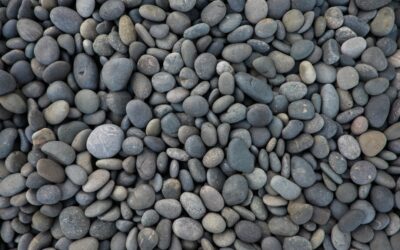
A gravel driveway that stays permanently in place. A patio that looks like stone but drains rainwater through the surface. A pool deck that does not get too hot to walk on barefoot. Outdoor resin flooring is the catch-all name for a family of UV-stable, weather-resistant polymer systems designed to replace pavers, asphalt, and poured concrete on driveways, patios, paths, and pool surrounds. The category has exploded in the UK and Europe over the last decade and is finally catching on in North America. Choosing between resin-bound, resin-bonded, polyaspartic coating, and aliphatic epoxy systems matters enormously for cost, longevity, and how the surface actually performs through freeze-thaw cycles.
Part of our Windows & Doors guide — explore the full guide →
What Outdoor Resin Flooring Actually Is
All outdoor resin systems use a UV-stable resin (typically aliphatic polyurethane, polyaspartic, or specialty epoxy) combined with decorative aggregate. The resin binds the stone together into a continuous surface that can be walked or driven on. Unlike standard indoor epoxy, these resins resist yellowing, chalking, and embrittlement under direct sun and winter cold.
The four main systems split into two broad categories: surface coatings applied over existing concrete, and permeable stone-and-resin composites installed as a new surface. Each solves different problems for different sites.
Once your patio flooring is in place, think about how you’ll use the space. A gazebo adds shade and structure, while a good outdoor furniture set turns it into a spot you’ll actually want to hang out in. A deck box is also worth considering if you need somewhere to stash cushions and outdoor gear.
We may earn a commission when you purchase through our links.
Resin-Bound vs Resin-Bonded: Know the Difference
The two terms are often confused. They describe fundamentally different products.
Resin-bound flooring mixes decorative aggregate (typically 1 to 6mm quartz or dried natural stone) with resin in a forced-action mixer, then trowels the mix onto a prepared sub-base at 15 to 24mm thickness. The finished surface is smooth, SUDS-compliant (water drains through), and looks like a polished stone pathway. Cost runs $18 to $35 per sq ft installed.
Resin-bonded flooring applies resin to an existing concrete base, then scatters loose aggregate onto the wet resin. Excess aggregate is brushed off after cure. The surface looks like loose gravel but is fixed in place, and unlike resin-bound it is not permeable. Cost runs $8 to $18 per sq ft installed. Use resin-bonded when you want a gravel look without loose stones shifting around.
Polyaspartic Coatings for Pool Decks and Patios
Polyaspartic is the dominant polymer for pool deck and patio resurfacing in North America. The resin is extremely UV-stable, cures in 30 minutes to 4 hours, and handles freeze-thaw cycles without cracking. A typical polyaspartic pool deck uses a tinted base coat, broadcast flake aggregate or quartz, and a clear topcoat. Cost runs $6 to $12 per sq ft installed.
Brands like Penntek, Graniflex, and Rock Solid Floors dominate this market. The installation is one-day turnaround in good weather. The finished surface is barefoot-friendly (stays 15 to 20°F cooler than dark pavers), slip-resistant when broadcast aggregate is used, and lasts 15 to 25 years with minimal maintenance.
UV-Stable Epoxy Systems
Not all epoxy is outdoor-rated. Standard bisphenol-A epoxy yellows and chalks within a year of UV exposure. UV-stable aliphatic epoxy, sold under brands like H&C DecoSeal, Epoxy-Coat Outdoor, and certain Sherwin-Williams ArmorSeal products, resists UV reasonably well but still underperforms polyaspartic and polyurethane over a 10-year horizon.
UV-stable epoxy runs $4 to $9 per sq ft installed, making it the budget option for outdoor resin flooring. Use it for covered patios, carports, and shaded walkways where UV exposure is limited. Skip it for full-sun driveways and pool decks unless you are prepared to recoat every 5 to 8 years.
Why People Choose Resin Systems Outdoors
Drainage is a top reason, especially for resin-bound installs. The permeable surface allows rainwater to pass through at rates of 500 to 1,000 liters per square meter per minute, which means no standing puddles and no need for French drains or surface slope. This matters for patios in areas with heavy rainfall or properties with drainage issues.
Aesthetics are the second driver. Resin-bound patios come in 50+ colorways ranging from warm honey tones to steel gray. The smooth surface reads as luxurious, modern, and custom compared to standard concrete or pavers. Wheelchair and stroller accessibility is excellent because there are no paver joints to catch wheels.
Low maintenance is another benefit. No weeds pushing through joints, no moss growing in cracks, no resanding needed annually. An occasional pressure wash and an inspection for any localized damage is all these systems require.
Real Drawbacks
Cost is the first concern. A 400 sq ft resin-bound patio runs $7,000 to $14,000 installed, which is 2x to 3x the cost of standard stamped concrete. Polyaspartic coatings over existing concrete are more affordable but still 20 to 50 percent more than a fresh concrete pour.
Repair is difficult. When resin surfaces develop a crack or damage spot, seamless repair is nearly impossible. The patch will always read slightly different in color and texture. For high-visibility patios, this is a legitimate concern over a 15-year ownership period.
Installation quality varies wildly. The category is relatively new in the US, which means many contractors are still learning best practices. Sub-base preparation errors cause premature failure. Always hire a contractor with 5+ years of specific resin experience and check references on projects at least 3 years old.
Best Applications by System
Driveways
Resin-bound at 18 to 24mm thickness over compacted MOT type 1 and reinforced with polypropylene mesh where vehicle loads are heavy. $22 to $40 per sq ft installed.
Patios
Resin-bound or resin-bonded, depending on drainage needs and budget. $12 to $25 per sq ft installed.
Pool Decks
Polyaspartic with flake broadcast. $7 to $12 per sq ft installed. Stays cool and slip-resistant.
Covered Porches and Carports
UV-stable epoxy or polyaspartic. $4 to $9 per sq ft installed.
Walkways and Paths
Resin-bound at 12 to 18mm thickness. $18 to $30 per sq ft installed.
Installation Basics
Sub-base preparation is critical. Resin-bound systems require 100 to 150mm of compacted MOT type 1 aggregate over geotextile membrane, topped with 50mm open-graded base. Standard concrete sub-bases can work but require control joints to match the resin system.
Temperature during install must be 40 to 85°F with low humidity. Rain within 12 hours of install can ruin the surface. Resin is typically mixed in forced-action mixers, poured and troweled within a 15 to 30 minute working window depending on system. A 400 sq ft project takes a skilled crew 1 to 2 days including base prep.
Final Word
Outdoor resin flooring is worth the premium when you want a seamless, drainable, low-maintenance surface that reads as custom and modern. It is not the right choice for tight budgets or for historic homes where traditional pavers fit the aesthetic better. Picking the right system for your specific site and exposure conditions, and hiring an experienced installer, determines whether you get a 20-year forever surface or a 5-year disappointment.
Prefer to explore on your own?
See how new flooring looks in your actual room in seconds — free, no signup.
Try the free Floor Studio →