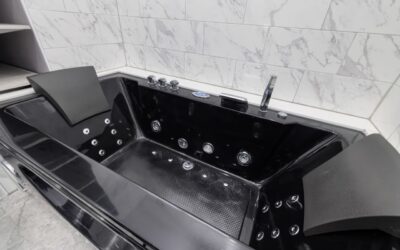
A jacuzzi tub transforms an ordinary bathroom into a personal spa retreat, offering therapeutic massage jets, stress relief, and a significant boost to your home’s resale value. Whether you are remodeling a master bathroom or building new, this comprehensive guide covers every type of jacuzzi tub available in 2026, what they cost, installation requirements, and how to choose the right one for your space and budget.
Part of our Bathroom Remodeling & Flooring guide — explore the full guide →
Types of Jacuzzi Tubs
| Type | Price Range | Best For | Space Required |
|---|---|---|---|
| Alcove whirlpool | $600 – $2,500 | Standard bathroom renovations | 60″ × 32″ minimum |
| Drop-in whirlpool | $800 – $4,000 | Custom-built surrounds | Varies (60″–72″ typical) |
| Freestanding jetted tub | $1,500 – $6,000 | Luxury master bathrooms | Needs 6″ clearance all sides |
| Corner whirlpool | $1,000 – $5,000 | Maximizing floor space | 60″ × 60″ corner space |
| Walk-in jetted tub | $2,000 – $8,000 | Seniors, mobility-impaired users | 60″ × 30″ + door swing |
| Two-person whirlpool | $1,500 – $7,000 | Couples, spa-style bathrooms | 72″ × 42″ minimum |
Alcove Whirlpool Tubs
The most affordable and practical option for most homes. Alcove whirlpool tubs fit into a standard three-wall enclosure, making them ideal replacements for existing standard bathtubs. Installation is straightforward since the plumbing rough-in is usually compatible with existing configurations. Sizes range from 60 to 72 inches long and 32 to 36 inches wide.
Freestanding Jetted Tubs
These are the statement pieces of bathroom design. Freestanding jacuzzi tubs sit independently, requiring at least 6 inches of clearance on all sides for access and aesthetics. They come in oval, rectangular, and sculptural shapes, and are available in acrylic, cast iron, and composite stone materials. The dramatic visual impact makes them worth the premium price in large master bathrooms.
Walk-In Jetted Tubs
Designed with a watertight door for easy entry without stepping over a high tub wall, walk-in jetted tubs are ideal for seniors and anyone with mobility limitations. The door seals when closed and the tub fills after you are seated inside. Fill time is 5 to 10 minutes for most models. Look for models with a fast-drain feature (under 2 minutes) so you are not sitting in cooling water while waiting for it to empty.
Understanding Jet Systems
Not all jets are created equal. The three main jet systems offer very different experiences:
Water Jets (Whirlpool)
Traditional whirlpool jets pump heated water at high pressure through adjustable nozzles. They provide a deep, targeted massage ideal for sore muscles and joint pain. Typical whirlpool tubs have 6 to 16 water jets. These are louder than air systems (50 to 65 decibels) and require more maintenance due to water sitting in the jet lines between uses.
Air Jets (Air Massage)
Air jets push heated air through dozens (sometimes hundreds) of tiny holes in the tub floor and walls. The sensation is a gentle, effervescent massage — more like champagne bubbles than deep tissue massage. Air systems are quieter (35 to 50 decibels), more hygienic (no water sitting in lines), and easier to maintain. They typically have 20 to 50+ air injection points.
Combination Systems
Combination tubs feature both water jets and air jets, giving you the choice of deep massage, gentle effervescence, or both simultaneously. These are the most versatile but also the most expensive, adding $500 to $1,500 over a single-system tub.
| Feature | Water Jets | Air Jets | Combination |
|---|---|---|---|
| Massage intensity | Deep, targeted | Gentle, all-over | Adjustable |
| Noise level | 50–65 dB | 35–50 dB | 40–60 dB |
| Maintenance | Higher | Lower | Moderate |
| Hygiene | Requires regular line flushing | Self-draining, more sanitary | Moderate |
| Energy use | Higher (pump + heater) | Lower (blower only) | Highest |
| Price premium | Base price | +$200–$800 | +$500–$1,500 |
Jacuzzi Tub Costs
| Cost Component | Budget | Mid-Range | Luxury |
|---|---|---|---|
| Tub unit | $600 – $1,500 | $1,500 – $3,500 | $3,500 – $8,000+ |
| Installation labor | $500 – $1,000 | $1,000 – $2,500 | $2,500 – $5,000 |
| Electrical work | $200 – $500 | $500 – $1,000 | $800 – $1,500 |
| Plumbing modifications | $200 – $600 | $500 – $1,500 | $1,000 – $3,000 |
| Flooring/tile work | $300 – $800 | $800 – $2,000 | $2,000 – $5,000 |
| Total installed | $1,800 – $4,400 | $4,300 – $10,500 | $9,800 – $22,500 |
Operating costs add $15 to $50 per month to your utility bills depending on usage frequency, water temperature, and jet type. Water jets consume more electricity (1.5 to 3 HP pump) than air jets (0.5 to 1 HP blower).
Installation Requirements
Electrical
Most jacuzzi tubs require a dedicated 120V or 240V GFCI-protected circuit. Smaller alcove models may run on a standard 120V/15-amp circuit, but larger tubs with multiple pumps need a dedicated 240V/20-amp or 240V/30-amp circuit. A licensed electrician ($200 to $500) must install the circuit and ensure it meets local building codes.
Plumbing
You need hot and cold water supply lines and a drain. If replacing a standard tub with a jacuzzi, existing plumbing usually works with minor modifications ($200 to $600). New installations require running supply and drain lines ($500 to $1,500). A 50-gallon water heater can fill most jacuzzi tubs, but a tankless water heater ($1,200 to $3,500 installed) ensures you never run out of hot water.
Structural Support
A filled jacuzzi tub can weigh 800 to 2,000 pounds. Standard residential floor framing (2×10 joists, 16 inches on center) typically supports a standard 60-inch alcove whirlpool. Larger freestanding or corner tubs may require reinforced floor joists — have a structural engineer or contractor verify your floor’s load capacity before installation. This is especially important on upper floors.
Access Panel
Every jacuzzi tub needs an access panel for pump and motor maintenance. This is typically a removable panel on the front or side of the tub surround, at least 18 inches by 18 inches. Plan for this during the design phase — burying the pump behind finished walls with no access creates expensive service calls down the road.
Sizing Guide
| Tub Size | Water Capacity | Ideal For | Min. Bathroom Size |
|---|---|---|---|
| 60″ × 32″ | 40–50 gallons | One person, compact bathrooms | 5′ × 8′ |
| 66″ × 36″ | 55–70 gallons | One tall person or compact two-person | 6′ × 9′ |
| 72″ × 42″ | 70–90 gallons | Two people comfortably | 7′ × 10′ |
| 60″ × 60″ (corner) | 80–100 gallons | Two people, corner installation | 8′ × 10′ (with corner) |
| 72″ × 48″+ (oversize) | 100–150 gallons | Spa-like luxury, multiple users | 10′ × 12’+ |
Features to Look For
- Adjustable jet direction and pressure: Lets you target specific muscle groups and customize massage intensity.
- Inline heater: Maintains water temperature during long soaks. Without one, water cools 1 to 2 degrees every 10 minutes.
- Chromatherapy (LED lighting): Color-changing underwater lights for a spa ambiance ($100 to $300 add-on).
- Ozone purification: Kills bacteria and reduces chemical usage for cleaner water ($150 to $400 add-on).
- Timer/auto-off: Automatically shuts off jets after a set time (15, 20, or 30 minutes) for safety.
- Low-noise pump: Premium pumps operate at 40 to 50 decibels versus 55 to 65 for standard models.
- Quick-drain: Drains the tub in under 2 minutes. Essential for walk-in models.
- Grab bars: Built-in or add-on safety bars ($30 to $100) for entering and exiting safely.
Choosing Bathroom Flooring for Jacuzzi Tubs
The floor around a jacuzzi tub gets wet — there is no avoiding it. Choosing the right flooring is critical for safety and longevity:
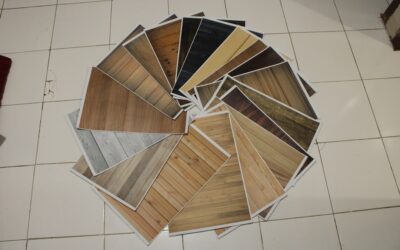
- Porcelain tile: The gold standard for jacuzzi bathrooms. 100% waterproof, extremely durable, available in non-slip finishes. Cost: $3 to $12 per square foot for materials.
- Luxury vinyl plank (LVP): 100% waterproof, warmer underfoot than tile, and easier to install. Cost: $2 to $7 per square foot. An excellent mid-range option.
- Natural stone tile: Beautiful but requires sealing every 1 to 2 years to prevent water damage. Cost: $5 to $25 per square foot. Be cautious with marble near jetted tubs, as splashing water with bath products can etch the surface.
- Avoid: Hardwood flooring, laminate flooring, and carpet. These materials cannot handle the moisture levels around a jacuzzi tub.
Always use non-slip bath mats on the floor directly beside the tub, regardless of flooring type. A non-slip rug rated for wet areas costs $20 to $50 and significantly reduces fall risk.
Maintenance and Care
After Every Use
- Drain the tub completely (do not let water sit)
- Wipe down the tub surface with a soft cloth
- Leave the drain open to allow remaining moisture to evaporate
Weekly
- Clean the tub surface with a non-abrasive bathroom cleaner
- Wipe jet nozzles with a damp cloth to remove soap residue
- Check for and remove any hair caught in the drain cover
Monthly
- Flush the jet lines: Fill the tub with warm water 2 inches above the highest jet, add 2 tablespoons of low-sudsing dishwasher detergent and 1/2 cup of bleach, run the jets for 15 minutes, drain, refill with clean water, run jets for 5 minutes, and drain again.
- Inspect the access panel area for leaks or moisture
- Clean or replace the air intake filter (air jet systems)
Annually
- Have a plumber inspect pump seals, motor bearings, and connections
- Deep clean with a jetted tub cleaner ($8 to $15 per treatment)
- Recaulk around the tub if sealant shows signs of mold, cracking, or pulling away from surfaces. See our guide on preventing pink mold in bathrooms.
Pros and Cons
| Pros | Cons |
|---|---|
| Therapeutic muscle and joint relief | Higher purchase and installation cost |
| Stress reduction and improved sleep | Increased utility bills ($15–$50/month) |
| Increases home resale value 4%–6% | Regular maintenance required |
| Customizable massage experience | Uses more water per bath (40–100+ gallons) |
| Spa experience at home | Heavier — may need structural reinforcement |
| Multiple jet and feature options | Pump noise (varies by model) |
| Available in all sizes and configurations | Not ideal for quick showers |
Frequently Asked Questions
How much does it cost to run a jacuzzi tub monthly?
Running a jacuzzi tub costs $15 to $50 per month based on 3 to 4 uses per week. The main costs are heating the water (60% to 70% of the total) and running the jet pump (30% to 40%). Using an inline heater to maintain temperature and filling with warm rather than hot water reduces energy costs. Expect to use 50 to 100 gallons of water per bath ($0.50 to $1.00 per fill).
Are jacuzzi tubs hard to maintain?
Jacuzzi tubs require more maintenance than standard bathtubs, but the routine is straightforward. The most important task is monthly jet line flushing to prevent bacteria and mold growth in the plumbing. Daily maintenance is simply draining the tub after use and wiping it down. Budget 15 minutes per month for jet cleaning and 5 minutes after each use for basic care.
Can I replace my regular bathtub with a jacuzzi tub?
Yes, most standard alcove tubs (60 inches by 32 inches) can be replaced with a same-size whirlpool tub. You will need a dedicated electrical circuit ($200 to $500 to install) and potentially minor plumbing adjustments. The total conversion from a standard tub to a jetted alcove tub runs $1,800 to $4,400 including labor and materials.
How long do jacuzzi tubs last?
A quality jacuzzi tub lasts 20 to 30 years for the tub shell. The pump and motor typically last 7 to 12 years and can be replaced ($300 to $800 including labor) without replacing the entire tub. Regular maintenance significantly extends component lifespan.
Do jacuzzi tubs increase home value?
In most markets, a jacuzzi tub in the master bathroom adds 4% to 6% to the perceived value of the home. However, this depends on your market and the quality of the overall bathroom renovation. A jetted tub in an otherwise outdated bathroom has less impact than one in a fully renovated spa-style bathroom with quality tile flooring and modern fixtures.
Is a jacuzzi tub safe during pregnancy?
Medical professionals generally advise pregnant women to limit jacuzzi tub sessions to 10 minutes or less and keep water temperature below 100°F. The primary concern is elevated core body temperature (hyperthermia), which can affect fetal development, especially in the first trimester. Always consult your doctor before using a jacuzzi tub during pregnancy.
Last updated: March 2026