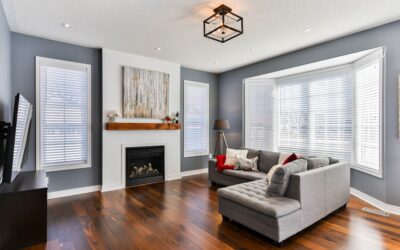
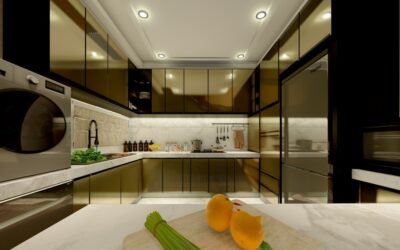
Karndean’s colour range overwhelms most first-time buyers, and that is by design. The brand carries over 200 distinct shades across its Knight Tile, Korlok, Da Vinci, and Van Gogh collections, with no two collections sharing identical names. Karndean flooring colours are the company’s primary differentiator from cheaper LVT competitors, and the depth of choice is genuinely useful once you understand the system. After specifying Karndean across kitchen renovations, retail fitouts, and rental properties, here is how the colour ranges actually break down.
The Four Main Colour Families
Karndean organizes colours into four broad families that cover most home styles:
- Light blondes and whites: Limed oak, weathered ash, French oak — work best in north-facing rooms that need to feel brighter
- Mid-tone browns and honeys: Classic oak, prairie oak, traditional walnut — the safe choice that suits most decor
- Dark browns and blacks: Burgundy oak, smoked oak, ebony — dramatic but show every dust particle
- Greys: Pewter oak, urban grey, stormy grey — peaked in popularity around 2018 but still a strong neutral
Each family appears across multiple collections at different price points and plank sizes. A grey oak look you love in the premium Van Gogh range often has a near-twin in the budget Knight Tile range at $20 to $30 less per sq m. Always cross-shop within the family before committing.
Most Popular Specific Shades
Five shades consistently rank as Karndean’s bestsellers across UK and US markets:
- Lime Washed Oak (KP99): Pale, slightly grey-toned, photographs beautifully and dominates Instagram renovation posts
- French Oak (RKP8108): Mid-honey with subtle warmth, the safe choice that ages well
- Country Oak (RKP8101): Rustic mid-brown with strong knot detail, works in farmhouse and modern styles
- Pewter Oak (KP138): Cool mid-grey, the dominant grey across the range
- Smoked Oak (KP99): Deep brown-grey, sophisticated but harder to coordinate with existing furniture
Matching Colours to Room Use
The colour that looks gorgeous in the showroom may be a daily maintenance burden in your actual home. Pale shades like Limed Oak hide dust and pet hair remarkably well, but show coffee splashes and red wine immediately. Dark shades like Ebony hide stains but reveal every speck of lint, white pet hair, and footprint within an hour of mopping.
Mid-tones in the honey and brown family hide the widest range of daily mess. For high-traffic kitchens and entryways, the Karndean specifications guide recommends mid-brown oaks over either extreme. Save the dramatic darks and ultra-pales for bedrooms and feature areas where traffic is lower.
Pricing Across the Colour Ranges
Karndean uses identical pricing within each collection regardless of colour choice. The collections themselves range from budget to premium:
- Knight Tile: $35 to $50 per sq m, the entry point with 30+ colours
- Korlok: $50 to $70 per sq m, click-locking with attached underlay and broader colour range
- Loose Lay: $55 to $75 per sq m, no glue required, easier DIY install
- Da Vinci: $60 to $80 per sq m, premium gluedown with deeper texture and richer colour saturation
- Van Gogh: $70 to $95 per sq m, longest planks and most realistic wood replicas
Installation labor adds $15 to $30 per sq m for glue-down or $10 to $20 per sq m for floating installs. Always order 10% over the calculated square footage to allow for cuts, waste, and future repairs in a discontinued colour.
Pros of the Karndean Colour System
The range delivers real advantages competitors struggle to match. The colour accuracy is genuinely consistent between sample and full carton, unlike many cheaper LVT brands where the showroom sample looks two shades different from what arrives on the truck. Karndean also runs production batches at sufficient volume that mid-project reorders typically match the original lot within visible tolerance.
The brand also rotates discontinued shades on a slower cycle than most LVT competitors. A 10-year-old Karndean floor in Limed Oak can often be repaired with current stock in the same shade. Few other LVT brands offer that continuity.
Cons and Honest Limitations
The colour range has real downsides worth understanding. The newer washed and limed pale shades show their pattern repeats more obviously than darker shades because the eye picks up the lighter knot details across the room. In a 600 sq ft open plan, the four to six pattern repeats become visible in afternoon sun.
Greys have aged less gracefully than warm tones in design terms. A Pewter Oak floor installed in 2017 reads as distinctly of-its-era now, while a French Oak from the same year still looks current. If you are installing for resale, the warm browns hold their relevance longer.
Coordinating with Cabinets and Walls
The general rule is to keep cabinets and floors in different value tones to create visual depth. White Shaker kitchens pair beautifully with mid-honey French Oak. Dark grey-blue cabinets work with pale Limed Oak. Walnut cabinets need a contrasting pale or grey floor to avoid the entire space reading as one beige blur.
Take physical samples home for at least 72 hours before deciding. Karndean ships free samples direct from their website, and the differences between a Lime Washed and a Country Oak only become clear in your actual lighting at different times of day. Showroom lighting is calibrated to flatter every shade, and your kitchen window may reveal a pink or green undertone that the showroom hid completely.
Discontinued Colour Risks
Karndean retires colours every two to three years to refresh collections. A bestseller in 2021 may be unavailable in 2024. If you install a niche or recently launched shade, order an extra carton beyond your overage allowance and store it sealed in a temperature-controlled space. Five years later when a dishwasher leak damages a section, that extra carton becomes priceless. Otherwise, you face replacing the entire run.
The Final Selection Process
The path most successful Karndean buyers take is consistent: narrow to a colour family first, then collect three to five samples within that family, live with them at home for at least a week, and check them against your actual furniture and wall colours in morning and evening light. The decision becomes obvious by day seven. Resist the urge to commit based on a 30-minute showroom visit alone.
Prefer to explore on your own?
See how new flooring looks in your actual room in seconds — free, no signup.
Try the free Floor Studio →