A kitchen banquette turns an underused corner or wall into a restaurant-style booth that seats more people in less space than chairs around a table. Built-in banquette seating fits into breakfast nooks, kitchen corners, and along walls where freestanding chairs would block traffic. The bench seats double as hidden storage, and the cozy, enclosed feeling makes every meal feel more intimate. Here is how to plan, build, or buy a banquette that works for your kitchen.
Part of our Kitchen Remodeling guide — explore the full guide →
Standard Banquette Dimensions
Comfortable banquette seating follows specific dimensions that kitchen designers have refined over decades:
- Seat height: 18 inches from the floor to the top of the seat cushion. Matches standard dining chair height
- Seat depth: 18-20 inches from the front edge to the back wall. Deeper seats (20+ inches) require a thicker back cushion to prevent slouching
- Back height: 34-36 inches from the floor. Provides comfortable lumbar support without blocking window sills
- Table height: 30 inches standard dining height
- Table-to-seat distance: 12 inches between the table edge and the front of the seat cushion. This allows comfortable entry and exit
- Per-person width: 24 inches per seat along the bench for comfortable dining
A 60-inch-long banquette bench comfortably seats 2 adults or 3 children. An L-shaped corner banquette with two 60-inch sides seats 4-5 adults and fits in a space as small as 6×6 feet — the same footprint that would accommodate only a tiny table with 2 chairs.
Layout Options
Three common banquette layouts work in residential kitchens. A straight bench against one wall with chairs on the opposite side is the simplest — it requires only one bench and works in narrow spaces. An L-shaped corner banquette maximizes seating in a corner nook and eliminates two chairs from the mix. A U-shaped booth (benches on three sides) creates the full restaurant-booth experience and seats the most people but requires a dedicated alcove or nook.
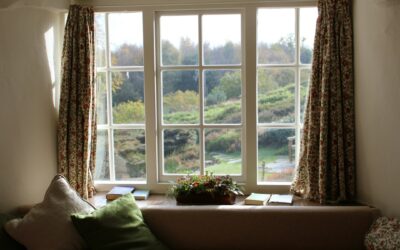
Position the banquette where natural light reaches the seating area — next to a window is ideal. The window provides a pleasant backdrop and natural illumination that makes the dining area inviting. If an L-shaped banquette wraps a corner with windows, the corner seat becomes the most coveted spot in the kitchen.
Built-In Storage
The space under a banquette bench is prime hidden storage — 6-10 cubic feet per linear foot of bench that would otherwise go unused. Hinged top-opening seats provide the easiest access to large items (table linens, serving pieces, small appliances). Pull-out drawers ($15-$30 per drawer slide pair) offer more convenient access for frequently used items but require clearance in front of the bench for the drawers to extend.
Side-opening doors work where a table sits close to the bench and top-opening lids cannot be raised. Budget $50-$100 in additional hardware for storage features — piano hinges for lids ($8-$12 per hinge), gas struts to hold lids open ($15-$25 per pair), or soft-close drawer slides ($15-$30 per pair). The storage value alone often justifies building a banquette over buying chairs.
Upholstery and Cushion Options
Banquette cushions take a beating from daily use, spills, and children. Choose fabric rated for high-use applications — performance fabrics like Crypton, Sunbrella, or Revolution are stain-resistant, bleach-cleanable, and withstand 50,000+ rubs on durability testing. These fabrics cost $20-$50 per yard but save replacement costs compared to standard upholstery that stains permanently on first contact with tomato sauce.
Cushion foam should be 3-4 inches thick with a density of at least 1.8 pounds per cubic foot. Thinner cushions bottom out quickly and become uncomfortable within months. A plywood seat base with high-density foam and a performance fabric cover provides decades of comfortable seating. Custom cushions from a local upholsterer cost $200-$500 for a standard bench seat. DIY cushions using pre-cut foam ($30-$60 for a 72×18-inch piece) and fabric ($15-$25 per yard) bring the cost to $75-$150 per bench.
DIY Build vs. Professional
A basic kitchen banquette is a manageable intermediate woodworking project. The structure is essentially a plywood box — a base, two sides, a seat platform, and an optional back panel. Use 3/4-inch plywood for structural components and finish with paint or beadboard paneling for a polished look. Total DIY material cost for a straight 60-inch banquette runs $200-$400 plus cushions.
Professional built-in banquettes cost $1,500-$5,000 installed depending on complexity, materials, and your region’s labor rates. Custom trim details, curved backs, tufted upholstery, and integrated lighting push costs toward the higher end. For a straightforward L-shaped banquette with storage and basic cushions, expect $2,000-$3,500 from a carpenter or kitchen remodeling company.
Table Selection for Banquettes
Pedestal tables work best with banquettes because there are no legs to interfere with entry and exit along the bench. A 48-inch round pedestal table seats 4 comfortably with a corner banquette. Rectangular tables with end legs (not center legs) allow people to slide in from the open end. Choose a table width of 30-36 inches — wider tables push diners too far from the bench back, and narrower tables do not leave enough room for place settings. Leave 36 inches of clearance between the table edge and the opposite wall or cabinets for chair access on the non-banquette side.