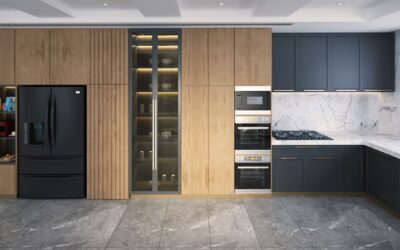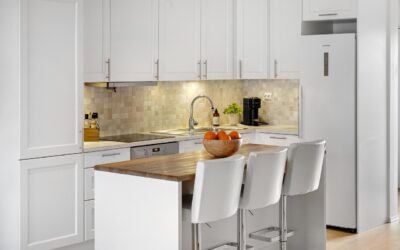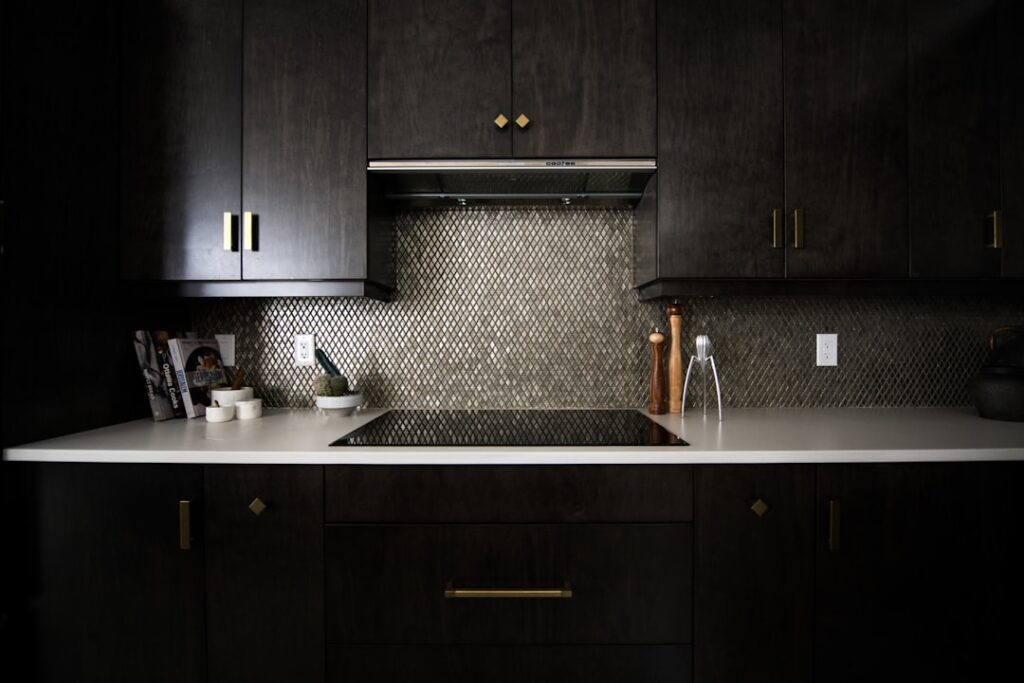
Kitchen cabinet fronts, the doors and drawer faces you see and touch every day, are the single biggest visual element in any kitchen. Because the boxes behind them are often perfectly sound, changing just the fronts is one of the most cost-effective ways to transform a kitchen without tearing everything out. This guide covers the popular door styles, the materials fronts are made from, the difference between refacing and replacing, the growing market of custom fronts for IKEA cabinets, and realistic costs so you can decide the smartest path to a fresh new look.
Part of our Kitchen Remodeling guide — explore the full guide →
- Why Cabinet Fronts Matter So Much
- Popular Cabinet Door Styles
- Cabinet Front Materials
- Refacing vs. Replacing Fronts
- Custom Fronts for IKEA Cabinets
- Choosing a Color and Finish
- Hardware and the Finishing Touches
- Cost of Updating Cabinet Fronts
- Is Updating Just the Fronts Right for You?
- Measuring and Ordering Replacement Fronts
- DIY vs. Hiring a Pro for Front Replacement
Why Cabinet Fronts Matter So Much
Cabinet fronts cover roughly 70 percent of the visible surface in a typical kitchen, so they set the entire style, whether traditional, transitional, or modern. They also take the most wear: fingerprints, grease, moisture, and daily opening and closing. When a kitchen looks dated or worn, it’s usually the fronts, not the boxes, that are the problem. That’s why replacing or updating just the fronts delivers such a dramatic before-and-after while leaving your functional cabinet interiors, countertops, and layout intact.
Popular Cabinet Door Styles
- Shaker: A five-piece flat-panel door with a recessed center, endlessly popular for its clean, timeless look that suits nearly any kitchen.
- Flat / slab: A single smooth panel with no frame, the signature of modern and contemporary kitchens.
- Raised panel: A center panel that stands proud of the frame, traditional and formal.
- Beadboard: Vertical grooves for a cottage or farmhouse feel.
- Glass-front: Framed doors with glass inserts to display dishware and add openness.
- Louvered: Angled slats, good where ventilation matters.
Cabinet Front Materials
The material affects durability, look, and price:
- Solid wood: Warm and classic, with visible grain; can be stained or painted, but expands and contracts with humidity.
- MDF (medium-density fiberboard): Smooth, stable, and ideal for painted finishes because it has no grain and won’t crack at the joints.
- Plywood with veneer: Real wood look with more stability than solid wood.
- Thermofoil: MDF wrapped in a heat-sealed vinyl skin, affordable and easy to clean, though it can peel near heat.
- Laminate and melamine: Durable, budget-friendly surfaces in many colors and patterns.
- Acrylic and high-gloss: Sleek, reflective fronts for a high-end modern look.
Refacing vs. Replacing Fronts
There are two main approaches to updating fronts, and they differ in scope and cost:
- Refacing keeps your existing cabinet boxes, replaces the doors and drawer fronts, and covers the visible box faces and ends with matching veneer or laminate. It delivers a near-new look for a fraction of new-cabinet cost.
- Replacing only the fronts swaps doors and drawer faces but leaves the boxes as-is, best when the boxes and their finish still look acceptable.
- Full replacement means all-new cabinets, boxes included, the most expensive and disruptive option, warranted only when the boxes are damaged or the layout must change.
If your cabinet boxes are structurally sound, refacing or new fronts saves thousands over ripping everything out.
Custom Fronts for IKEA Cabinets
A whole industry has grown around making designer fronts that fit IKEA’s SEKTION cabinet system. Companies like Semihandmade, Norse Interiors, and others sell custom doors, drawer fronts, and panels, in premium paint colors, real wood veneers, and slab styles, sized to bolt onto standard IKEA boxes. This lets you get the durability and low price of IKEA cabinet boxes with a high-end, custom appearance. It’s a popular strategy for design-forward kitchens on a mid-range budget, combining IKEA’s hardware and interiors with fronts that look nothing like stock.
Choosing a Color and Finish
Color is where fronts make their biggest statement. Classic white and off-white remain the safest, brightest choice and pair with any countertop. Deep greens, navy blues, and warm earthy tones are increasingly popular for a richer look, and two-tone kitchens, dark lowers with light uppers, add depth. For finish, matte and satin hide fingerprints better than high-gloss, while gloss maximizes light and modern flair. Painted MDF fronts give the smoothest, most uniform painted result, while stained wood shows off natural grain.
Hardware and the Finishing Touches
New fronts deserve new hardware, and it dramatically affects the final look. Match knob and pull finishes, brushed nickel, matte black, brushed brass, or chrome, to your faucet and lighting for a coordinated feel. Longer pulls read more modern; smaller knobs feel traditional. Don’t forget soft-close hinges and drawer slides, which are inexpensive to add during a front swap and make cabinets feel far more premium every time they close quietly instead of slamming.
Cost of Updating Cabinet Fronts
Costs vary widely by approach and material:
- Replacing just doors and drawer fronts (DIY): $50 to $200 per door/front, so a small kitchen might run $2,000 to $5,000.
- Professional refacing: $4,000 to $10,000 for an average kitchen.
- Custom IKEA-compatible fronts: mid-range, often $5,000 to $12,000 for a full kitchen depending on style.
- Full cabinet replacement: $12,000 to $30,000 or more.
Refacing or front replacement typically costs 30 to 50 percent less than all-new cabinets while delivering a comparable visual result.
Is Updating Just the Fronts Right for You?
Swapping fronts makes the most sense when your cabinet boxes are solid, the layout works, and you mainly want a style or color update. It’s faster, cheaper, and less disruptive than a full remodel, often finished in days rather than weeks, with no plumbing or electrical work. If your boxes are water-damaged, falling apart, or you need to change the floor plan, then full replacement is the better investment. But for the majority of dated-but-functional kitchens, new fronts are the smart move.
Measuring and Ordering Replacement Fronts
Accurate measurement is the foundation of a successful front swap, since even a small error means doors that don’t align or gaps that look sloppy. Measure the height and width of each existing door and drawer front to the nearest sixteenth of an inch, and note whether your cabinets are full-overlay (doors cover most of the frame), partial-overlay, or inset, because that changes how replacements are sized. Count and label every door and drawer, ideally with a simple map of the kitchen so nothing is missed or reversed. Check your current hinge type, most modern cabinets use concealed European (cup) hinges that require a 35mm bore in the door, and confirm new doors are bored to match or plan to drill them. When ordering custom or semi-custom fronts, provide the opening sizes and let the maker calculate overlay, or order to your exact door dimensions. Ordering a couple of spare fronts is wise insurance against a measuring slip or future damage.
DIY vs. Hiring a Pro for Front Replacement
Deciding who does the work comes down to your skills, tools, and tolerance for detail. Replacing just doors and drawer fronts is well within reach for a confident DIYer: it mainly involves unscrewing old doors, mounting new hinges, hanging the new doors, and adjusting them so gaps are even, work that needs patience and a drill more than deep expertise. The fussy part is alignment, getting every door and drawer to line up with consistent reveals takes time and repeated micro-adjustments of the hinge screws. Full refacing, where veneer or laminate is applied to the cabinet boxes and end panels, is harder to do cleanly and is where many homeowners bring in a professional for a seamless result. If your boxes are out of square or you want a flawless painted finish, a pro’s experience pays off. For a straightforward door-and-drawer-front swap on sound cabinets, though, DIY can cut the cost dramatically while delivering a like-new look.
Kitchen cabinet fronts hold the key to a kitchen’s entire personality, and updating them is one of the highest-impact, best-value improvements you can make. By choosing a door style and material that fit your taste and budget, deciding between refacing and replacement based on your boxes’ condition, adding fresh hardware and soft-close hinges, and selecting a color that lifts the whole room, you can achieve a dramatic transformation for a fraction of a full remodel. Your cabinets already work, so give them a new face and let your kitchen feel brand new.