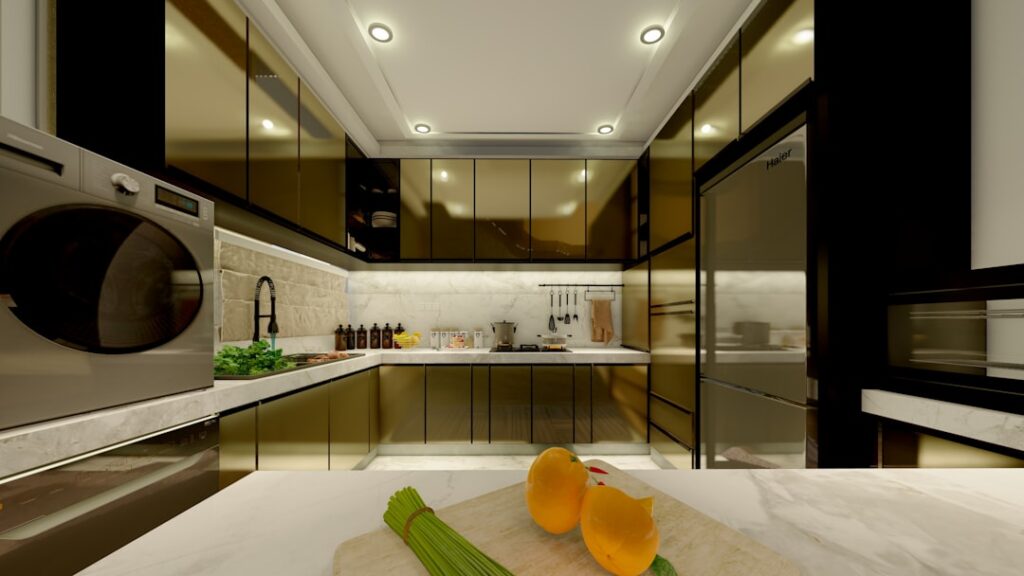
The kitchen floor takes more abuse than any other surface in your home. Dropped pans, spilled liquids, constant foot traffic, chair legs scraping, and hours of standing while cooking — it all adds up. Your kitchen floor needs to be water-resistant, durable, comfortable underfoot, and easy to clean. It also has to look good, since the kitchen is often the most visible room in the house.
Part of our Kitchen Remodeling guide — explore the full guide →
Here is a practical breakdown of every viable kitchen flooring option, what each does well, and where each falls short.
Vinyl Plank Flooring (LVP)
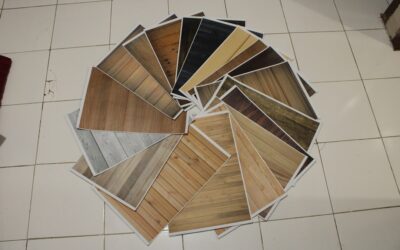
Vinyl flooring in plank form has become the most popular kitchen flooring choice in recent years, and the reasons are practical. Waterproof rigid-core products (SPC and WPC) handle kitchen spills without flinching, and the wood-look prints have become remarkably convincing.
Why it works in kitchens:
- 100% waterproof with rigid core construction
- Comfortable for standing — much softer than tile or stone
- Easy to clean — sweep and damp mop
- DIY installation with click-lock planks
- Affordable at $2 to $7 per square foot for materials
Watch out for: Heavy objects dropped from counter height can dent WPC products. Choose SPC flooring if dent resistance is a priority. Also, the expansion gap around the perimeter needs to be properly sealed with silicone in kitchen areas near the dishwasher and sink.
While you’re upgrading the kitchen floor, it might be a good time to rethink the seating too. Swapping out old bar stools is one of those small changes that makes the whole room feel more pulled together.
We may earn a commission when you purchase through our links.
Porcelain and Ceramic Tile
Tile flooring is a kitchen classic for good reason. Porcelain tile is virtually indestructible — it resists water, scratches, heat, and stains without any special treatment. Ceramic tile offers similar benefits at a lower price point, though it is slightly less dense and durable than porcelain.
Why it works in kitchens:
- Completely waterproof
- Scratch-proof and heat-resistant
- Enormous variety of sizes, patterns, and colors
- Long lifespan — 25 to 50+ years
- Works beautifully with radiant floor heating
Watch out for: Tile is hard and cold underfoot, which matters when you spend hours standing in the kitchen. Anti-fatigue mats help but add clutter. Grout lines require sealing and periodic maintenance. Dropped dishes break on impact, and tiles can crack from heavy dropped objects.
Hardwood Flooring
Hardwood flooring in the kitchen is a contested topic. Designers love the warm, cohesive look it creates when the kitchen floor matches adjacent living areas. Practical-minded homeowners worry about water damage around the sink and dishwasher.
Why it works in kitchens:
- Warm and natural appearance
- Comfortable underfoot
- Can be refinished if damaged
- High resale value
Watch out for: Hardwood and water are not friends. A leak under the dishwasher or a forgotten spill near the sink can cause warping, cupping, and permanent damage. If you choose hardwood for the kitchen, commit to wiping up spills immediately and checking around appliances regularly for leaks.
Engineered wood flooring is a better choice than solid hardwood for kitchens because its cross-layered construction is more dimensionally stable in the face of humidity fluctuations.
Laminate Flooring
Laminate flooring gives you the look of wood at a fraction of the cost. Traditional laminate is vulnerable to water damage, but newer waterproof laminate products have closed that gap significantly.
Why it works in kitchens:
- Budget-friendly — $1 to $5 per square foot
- Scratch-resistant surface
- Easy click-lock installation
- Waterproof options now available
Watch out for: Even waterproof laminate is less forgiving than vinyl if water sits for extended periods. The edges and click joints are the vulnerable points. Standard (non-waterproof) laminate has no place in a kitchen — the HDF core swells irreversibly when wet.
Natural Stone
Natural stone flooring — slate, granite, marble, travertine — brings unmatched elegance to a kitchen. Each piece is unique, and the material ages gracefully over decades.
Why it works in kitchens:
- Stunning, one-of-a-kind appearance
- Extremely durable
- Increases home value
- Works with radiant heating
Watch out for: Natural stone is expensive — $5 to $30 per square foot before installation. Most stone needs regular sealing to resist stains (especially marble and limestone). It is cold, hard, and heavy. Professional installation is essential.
Concrete Flooring
Concrete flooring — polished, stained, or stamped — fits modern and industrial kitchen designs. If your home has a slab foundation, the concrete is already there; finishing it into a floor avoids the cost of additional flooring material entirely.
Why it works in kitchens:
- Extremely durable and low maintenance
- Modern aesthetic
- Uses existing slab — potentially the most affordable option
- Works with radiant heating
Watch out for: Very hard on feet and joints. Dropped dishes and glasses shatter on impact. Requires sealing to resist stains. Cold without radiant heating. Not feasible for upper floors without structural assessment.
Sheet Vinyl
Sheet vinyl remains a practical, budget-friendly option for kitchen floors. It comes in wide rolls that minimize seams, creating a nearly waterproof surface.
Why it works in kitchens:
- Very affordable — $1 to $4 per square foot
- Minimal seams (or none in smaller kitchens)
- Soft and warm underfoot
- Easy to clean
Watch out for: Sheet vinyl is thinner and less durable than LVP. It can be punctured by sharp objects and dented by heavy furniture. The appearance, while improved in recent years, does not match the realism of luxury vinyl planks or tiles.
What About Cork and Bamboo?
Cork and bamboo occasionally appear in kitchen flooring discussions. Cork is warm, soft, and naturally antimicrobial — all appealing for kitchens. Bamboo is hard and renewable. However, both materials are susceptible to water damage and can warp, swell, or discolor from kitchen-level moisture exposure. Unless you are meticulous about spill cleanup and willing to accept the risk, vinyl or tile are safer choices for kitchens.
How to Choose Your Kitchen Floor
Use these questions to narrow down your options:
- How much do you cook? Heavy kitchen users need something waterproof, durable, and comfortable for long periods of standing. Vinyl and tile win here.
- Do you have kids or pets? Prioritize scratch resistance and easy cleanup. Vinyl and porcelain tile are the most forgiving.
- What is the adjacent flooring? A kitchen floor that flows seamlessly into the living area creates a larger, more cohesive feel. Wood-look vinyl or engineered hardwood work well for open floor plans.
- What is your budget? Vinyl plank offers the best value when you factor in material cost, installation cost, durability, and maintenance.
- Are you selling soon? Hardwood and tile have the strongest appeal to buyers. Vinyl is increasingly accepted but still carries a slight stigma in higher-end markets.
Kitchen Floor Maintenance Basics
- Sweep or vacuum daily in cooking zones to prevent grit from scratching the surface.
- Wipe up spills promptly — even on waterproof materials, standing liquid attracts dirt and can become slippery.
- Use furniture pads under table and chair legs.
- Place mats at the sink and stove areas to catch drips and grease splatter.
- Follow manufacturer-specific cleaning instructions — the wrong cleaner can damage finishes or void warranties.
Final Thoughts
The best kitchen floor balances durability, water resistance, comfort, aesthetics, and budget. For most homeowners, waterproof vinyl plank and porcelain tile sit at the top of the list because they handle everything a kitchen throws at them without demanding much in return. Hardwood brings warmth and resale value but requires vigilance around water. Natural stone and polished concrete deliver a premium look at a premium price. Start with your priorities, set your budget, and let the practical requirements guide you to the right choice.
Prefer to explore on your own?
See how new flooring looks in your actual room in seconds — free, no signup.
Try the free Floor Studio →