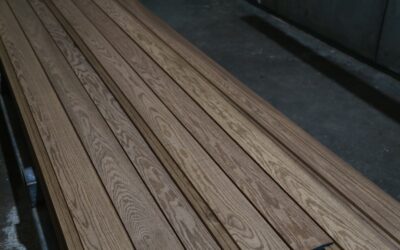
The kitchen floor sets the tone for the entire space. It is the largest visible surface in most kitchens, and the right flooring choice can transform a dated room into a stunning, functional gathering place. Whether you are renovating a compact galley kitchen or designing a sprawling open-concept space, these kitchen flooring ideas will help you find the perfect look.
This guide focuses on design trends, visual inspiration, and style direction rather than technical specs. For in-depth material comparisons, visit our comprehensive kitchen flooring guide.
- 1. Wood-Look Luxury Vinyl Plank
- 2. Large-Format Porcelain Tile
- 3. Herringbone and Chevron Patterns
- 4. Encaustic and Patterned Cement Tiles
- 5. Concrete-Look Flooring
- 6. Terrazzo-Look Flooring
- 7. Dark vs Light Kitchen Floors
- 8. Open-Concept Kitchen Flooring Considerations
- 9. Kitchen Island Area Flooring
- 10. Warm Naturals and Earth Tones
- Kitchen Flooring Ideas by Style
- Frequently Asked Questions About Kitchen Flooring Ideas
- What is the most popular kitchen flooring in 2026?
- Should kitchen flooring be lighter or darker than cabinets?
- What direction should kitchen floor planks run?
- Is hardwood a good choice for kitchens?
- What kitchen flooring is easiest to keep clean?
- Can I mix flooring materials in an open-concept kitchen?
1. Wood-Look Luxury Vinyl Plank
Wood-look LVP continues to dominate kitchen flooring ideas in 2026, and the technology has reached a point where the best products are nearly indistinguishable from real hardwood, even up close.
The appeal is clear: you get the warm, inviting look of hardwood with full waterproof protection. Spills, splashes, and even standing water are no threat to a quality LVP floor.
Trending LVP Looks
- White oak replicas: The clean, straight grain and warm neutral tone of white oak remains the most popular wood-look in LVP. Light and medium tones work in virtually every kitchen style.
- Wide planks (7 to 9 inches): Wider planks create a more modern, expansive feel and reduce the number of seams for a cleaner look.
- Wire-brushed textures: Subtle surface textures that mimic the feel of brushed real wood, adding authenticity to the visual.
- Mixed-width planks: Alternating plank widths within the same color create a custom, artisan appearance that adds character without added cost.
For kitchens that open into living and dining areas, a continuous run of wood-look LVP across all three zones creates a seamless, unified look that makes the entire space feel larger.
While you’re upgrading the kitchen floor, it might be a good time to rethink the seating too. Swapping out old bar stools is one of those small changes that makes the whole room feel more pulled together.
We may earn a commission when you purchase through our links.
2. Large-Format Porcelain Tile
Large-format porcelain tiles (24 x 24, 24 x 48, or even 48 x 48 inches) are making a bold statement in modern kitchens. The oversized format minimizes grout lines, creating a clean, contemporary surface that is easy to maintain.
Trending Large-Format Looks
- Marble-look porcelain: White and gray marble-inspired tiles deliver luxury without the maintenance headaches of real marble. Calacatta and Statuario patterns are especially popular.
- Concrete-look porcelain: Matte, industrial-inspired tiles in gray and charcoal tones complement modern and minimalist kitchen designs.
- Stone-look porcelain: Travertine, limestone, and slate imitations offer natural warmth with porcelain durability.
When using large-format tiles, opt for rectified (precision-cut) tiles that allow for minimal grout lines of 1/16 to 1/8 inch. The thinner grout lines enhance the seamless, monolithic appearance. Visit our tile flooring guide for material details.
3. Herringbone and Chevron Patterns
Herringbone flooring is one of the most timeless and visually striking kitchen flooring ideas. The classic V-shaped pattern adds movement, depth, and architectural interest to any kitchen.
Herringbone vs Chevron
Herringbone uses rectangular planks laid at 90-degree angles, creating a zigzag pattern. Chevron uses planks with angled ends that meet at a point, creating a cleaner, more geometric V-shape. Both are stunning, but herringbone is more traditional and chevron leans more contemporary.
Trending Herringbone Applications
- LVP herringbone: Many vinyl plank manufacturers now offer herringbone-specific plank sizes, making this pattern accessible and waterproof.
- Wood herringbone: Light oak herringbone floors bring European elegance to kitchens. Engineered hardwood in short plank formats works best for this pattern.
- Tile herringbone: Subway-style tiles in herringbone create a beautiful floor, especially in smaller kitchens where the pattern adds visual interest without overwhelming the space.
- Matte black herringbone: A bold, dramatic choice for kitchens with white cabinetry and brass hardware.
4. Encaustic and Patterned Cement Tiles
Encaustic tiles (and their porcelain look-alikes) bring artisan character to kitchen floors. These patterned tiles feature geometric, floral, or Moroccan-inspired designs in rich, saturated colors.
Design Tips
- Use as a feature area: Install patterned tiles in a defined zone, such as under the kitchen island or in a breakfast nook, with a simpler tile or wood floor in the surrounding area.
- Pair with simple cabinets: Let the floor be the star. White or light gray Shaker cabinets provide a neutral backdrop that allows patterned tiles to shine.
- Consider porcelain replicas: True cement tiles require sealing and more maintenance. Porcelain tiles that mimic encaustic patterns offer the same look with easier upkeep.
- Scale matters: 8 x 8 inch patterned tiles work best in most kitchens. Larger patterns can overwhelm small spaces.
5. Concrete-Look Flooring
The industrial aesthetic continues to evolve in 2026, with concrete-look kitchen floors becoming more refined and accessible. You do not need to pour actual concrete to get this look.
Ways to Achieve the Concrete Look
- Porcelain tile: Concrete-look porcelain in large formats is the most practical option. It offers the visual with none of the maintenance.
- Microcement (microtopping): A thin cementitious coating applied over existing floors for a seamless, polished concrete appearance. Requires professional application and sealing.
- LVP: Several LVP manufacturers now offer concrete-look planks and tiles that are surprisingly convincing.
- Polished concrete: For new construction or major renovations, polished and stained concrete slabs create a truly seamless floor.
Concrete-look floors pair beautifully with warm wood accents, live-edge shelving, and matte black fixtures for a balanced modern aesthetic.
6. Terrazzo-Look Flooring
Terrazzo, the Italian composite material made from marble, quartz, and glass chips embedded in cement, has made a major comeback. The playful speckled pattern adds personality and color to kitchen floors.
Modern Terrazzo Options
- Porcelain terrazzo-look tiles: The most practical and affordable way to get the terrazzo aesthetic. Available in a range of chip sizes and color combinations.
- Poured terrazzo: Traditional in-situ terrazzo is expensive but creates a completely seamless, custom floor that lasts virtually forever.
- Terrazzo-look vinyl: An increasingly popular budget option with realistic terrazzo patterns.
White terrazzo with subtle gray and warm-toned chips is the most popular palette in 2026, though bold colors like teal, terracotta, and blush pink are gaining ground in statement kitchens.
7. Dark vs Light Kitchen Floors
The light-versus-dark debate is one of the most discussed kitchen flooring ideas topics. Both approaches have strong design merits:
Light Kitchen Floors
- Make small kitchens feel larger and more open
- Hide dust and light debris (but show dark dirt and stains)
- Create an airy, Scandinavian, or coastal feel
- Pair well with both light and dark cabinetry
- Most popular choices: light oak, white marble-look, pale gray concrete-look
Dark Kitchen Floors
- Add drama, warmth, and grounding to the space
- Show dust and pet hair more readily (but hide dark stains)
- Create stunning contrast with white or light cabinets
- Work best in larger kitchens with ample natural light
- Most popular choices: dark walnut, charcoal tile, espresso-stained hardwood, black herringbone
The 2026 Sweet Spot
Medium tones are trending heavily in 2026. Warm medium browns, greiges (gray-beige blends), and honey tones offer the best of both worlds: they hide dirt well, work with most cabinet colors, and create a warm, inviting atmosphere.
8. Open-Concept Kitchen Flooring Considerations
In open-concept homes where the kitchen flows into the living and dining areas, flooring choices have a magnified impact on the overall space:
- Continuity is key: Running the same floor through all connected spaces creates a unified, expansive feel. This is the most popular approach in 2026.
- Intentional transitions: If you want different flooring in the kitchen (tile for water protection, for example), create a clean, deliberate transition line, ideally along an architectural feature like an island or a change in ceiling height.
- Avoid too many materials: Using more than two flooring materials in connected spaces creates visual clutter. Stick to one or, at most, two complementary materials.
- Consider sightlines: Stand at the main entry point and evaluate how the floor reads across the full open space. The pattern, color, and direction of the planks should guide the eye naturally through the room.
9. Kitchen Island Area Flooring
The kitchen island has become the focal point of modern kitchens, and some designers are using the floor beneath it as an opportunity for creative expression:
- Patterned tile under the island: Install decorative tile in the island footprint with wood-look flooring surrounding it. This creates a “rug” effect that defines the island zone.
- Contrasting color: A darker floor under a white island (or vice versa) draws the eye and adds dimension.
- Direction change: Running floor planks in a different direction under the island area subtly delineates the cooking zone from the rest of the kitchen.
10. Warm Naturals and Earth Tones
The move toward warm, natural materials and earthy color palettes is one of the defining design movements in 2026 kitchens:
- Terracotta tile: Natural terracotta (or porcelain terracotta-look) tiles bring Mediterranean warmth to kitchens. Pair with olive green cabinets and brass hardware for a rich, layered look.
- Warm wood tones: Honey, amber, and golden oak tones are replacing the cool gray wood looks that dominated the last decade.
- Natural stone: Limestone and travertine in warm beige and cream tones create an organic, spa-like quality.
- Zellige-style tile: The handmade, slightly irregular look of Moroccan zellige tiles adds artisan warmth and texture.
Kitchen Flooring Ideas by Style
| Kitchen Style | Best Flooring Ideas | Recommended Materials |
|---|---|---|
| Modern / Minimalist | Large-format tile, concrete-look, wide-plank LVP | Porcelain, LVP, polished concrete |
| Traditional / Classic | Hardwood, stone-look tile, herringbone | Hardwood, porcelain, engineered wood |
| Farmhouse / Country | Wide-plank wood, terracotta, distressed finishes | Hardwood, LVP, tile |
| Scandinavian | Light wood, white-washed, simple patterns | Light oak, white-toned LVP |
| Industrial | Concrete-look, terrazzo, dark metals | Porcelain, microcement, polished concrete |
| Mediterranean | Terracotta, encaustic tile, natural stone | Tile, natural stone, zellige |
| Coastal | Light wood-look, whitewashed, natural textures | LVP, light hardwood, pale tile |
| Mid-Century Modern | Terrazzo, geometric tile, warm wood | Porcelain, LVP, engineered hardwood |
Frequently Asked Questions About Kitchen Flooring Ideas
What is the most popular kitchen flooring in 2026?
Wood-look luxury vinyl plank (LVP) is the most popular kitchen flooring choice in 2026, followed by large-format porcelain tile and engineered hardwood. Waterproof performance combined with realistic wood and stone visuals drives the popularity of these materials.
Should kitchen flooring be lighter or darker than cabinets?
There is no strict rule, but contrast creates visual interest. Light floors with dark cabinets is a classic pairing. Dark floors with white cabinets is equally striking. Avoid matching the exact same tone for floors and cabinets, as this can look flat and dimensionless.
What direction should kitchen floor planks run?
Traditionally, planks run parallel to the longest wall or toward the main light source. In open-concept spaces, run planks in the same direction throughout all connected rooms for visual continuity. Herringbone and diagonal patterns can make narrow kitchens feel wider.
Is hardwood a good choice for kitchens?
Hardwood is beautiful in kitchens but requires more maintenance around water sources. Engineered hardwood with a durable factory finish performs well in most kitchens. If water resistance is a top priority, wood-look LVP provides the aesthetic without the risk.
What kitchen flooring is easiest to keep clean?
Large-format porcelain tile with minimal grout lines is the easiest kitchen floor to clean. LVP is a close second. Both resist stains, wipe clean easily, and do not require sealing or special maintenance.
Can I mix flooring materials in an open-concept kitchen?
Yes, but do it intentionally. Use a maximum of two complementary materials and create a clean transition at a logical break point, such as where the kitchen island begins or where the kitchen meets the living area.
The best kitchen flooring ideas balance beauty with practicality. Whatever trend speaks to you, make sure it works with your kitchen’s layout, your home’s overall design language, and your family’s daily life. For detailed material guidance, explore our guides to kitchen flooring, luxury vinyl plank, tile flooring, and herringbone flooring.
Prefer to explore on your own?
See how new flooring looks in your actual room in seconds — free, no signup.
Try the free Floor Studio →