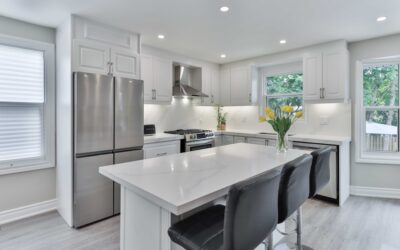
Not every kitchen has room or budget for a built-in island, and that is exactly where freestanding kitchen island furniture earns its keep. A movable island or cart adds counter space, storage, and often seating without the demolition, plumbing, and price tag of a permanent build. You can roll it where you need it, take it with you when you move, and swap it out when your style changes. The catch is choosing the right size and type for how you actually cook and gather.
Part of our Kitchen Remodeling guide — explore the full guide →
Freestanding Islands Versus Carts
The two broad categories serve different needs. A kitchen cart is smaller and usually on locking casters, prized for its mobility and modest footprint. It suits apartments and compact kitchens where you want extra prep surface you can tuck away.
A freestanding island is larger, heavier, and more substantial, often mimicking the look of a built-in with a butcher block or stone top, lower cabinets, and sometimes an overhang for stools. It stays put most of the time and functions as a genuine work-and-gather hub, bridging the gap between a cart and a permanent island.
Key Features to Look For
The best piece depends on your priorities, but a few features consistently deliver value:
- Durable work surface: Butcher block, stainless steel, granite, or quartz that handles real prep
- Storage mix: A combination of drawers, shelves, and cabinets for tools, pans, and pantry items
- Seating overhang: A top that extends 10 to 12 inches for stools if you want an eating spot
- Locking casters: Wheels that roll when you want and lock solid when you work
- Towel bar and hooks: Small touches that keep tools and towels within reach
Sizing It to Your Kitchen
Fit makes or breaks a movable island. The golden rule is to leave at least 36 inches of clearance on all sides so people can walk and open doors freely, and 42 to 48 inches in a busy kitchen with two cooks. Cramming an oversized island into a small kitchen creates a bottleneck that you will resent daily.
Measure your open floor space, then subtract that clearance to find the maximum island footprint. For seating, plan on 24 inches of width per stool. A compact 40-inch island might seat two, while a larger 60-inch piece seats three comfortably along one side.
Work Surface Materials
The top gets the hardest use, so material matters. Butcher block is warm, attractive, and knife-friendly, though it needs periodic oiling and can stain. Stainless steel is nearly indestructible and sanitary, favored by serious cooks, but it shows scratches and fingerprints. Granite and quartz tops bring durability and a built-in look at a higher price and weight.
For a cart you plan to move often, lighter butcher block or laminate keeps the piece manageable. For a stay-put island, a heavier stone top adds stability and a premium feel that reads like a custom build.
Matching Style and Storage to Your Needs
Think about what problem you most want the island to solve. If your kitchen lacks prep space, prioritize a large, sturdy top. If storage is the issue, look for a piece heavy on drawers and cabinets. If you want a casual eating spot, the seating overhang becomes the deciding feature.
Style should complement your existing cabinets and hardware without matching exactly. A contrasting island, such as a navy or natural-wood piece against white cabinetry, reads as intentional and gives the kitchen a designed, layered look rather than an afterthought.
Getting the Most From a Movable Island
Because these pieces are not fixed, you can adapt them to the moment. Roll a cart next to the stove while cooking, then push it against the wall to open the floor for entertaining. Use the top for holiday baking overflow, then reclaim the space afterward. That flexibility is the whole point, and it is something a built-in island can never offer.
If you ever add a range or need a landing zone during a bigger project, a freestanding island fills the gap without commitment. Renters especially benefit, since the island moves with them.
Adding Function With Accessories
The right add-ons turn a basic island into a genuine command center for cooking. A few thoughtful accessories dramatically expand what the piece can do without adding to its footprint:
- Wine or towel rack: Built-in side racks put bottles or dish towels within easy reach
- Spice drawer or knife block: Keeps prep essentials organized right where you cook
- Power strip or outlet: Some islands include electrical for small appliances like mixers
- Pull-out trash bin: A hidden waste drawer keeps prep cleanup fast and tidy
- Hanging pot rail: An end-mounted rail frees cabinet space for pans and utensils
Prioritize the accessories that match your habits. A baker benefits from a large butcher-block top and a spot to stash a stand mixer, while someone who entertains might value the wine rack and extra outlets more. Because the island is furniture rather than a fixed build, you can also add clip-on organizers and rolling drawer units over time as your needs change.
Is Movable Furniture Right for You?
Freestanding kitchen island furniture is the smart choice when you want the function of an island without the cost, permanence, or construction of a built-in. It works in kitchens too small or too rented for a permanent piece, and it lets you experiment with placement before committing. Measure your clearances carefully, pick a top that matches your cooking style, and choose the storage layout that fixes your biggest pain point. Done right, a movable island delivers most of the benefits of the real thing at a fraction of the fuss.