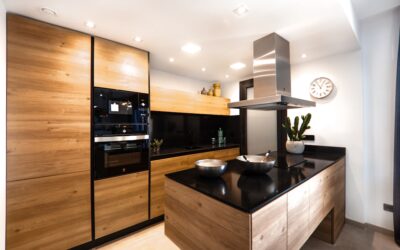
A kitchen island is the single most-used surface in most homes, which is exactly why cheap particleboard versions fail within a few years. A solid wood kitchen island is built to absorb decades of chopping, spills, and leaning elbows, and it can be sanded and refinished long after a laminate top would have peeled. If you cook daily or entertain often, the upgrade pays for itself in longevity and resale appeal.
Part of our Kitchen Remodeling guide — explore the full guide →
Having built and installed islands in kitchens ranging from 120 to 400 square feet, I can tell you the difference between a good solid wood island and a regrettable one comes down to species, top construction, and sizing for your traffic patterns. Here is everything you need to weigh before buying or building.
- Why Solid Wood Beats the Alternatives
- Choosing the Right Wood Species
- Edge Grain, End Grain, or Face Grain?
- Sizing and Clearance
- What a Solid Wood Island Costs
- Finishing and Sealing
- Care and Long-Term Maintenance
- Freestanding vs. Built-In Islands
- Adding Function: Storage, Seating, and Utilities
- Is a Solid Wood Island Worth It?
Why Solid Wood Beats the Alternatives
Manufactured islands typically use MDF or particleboard cores wrapped in a printed melamine or veneer skin. They look fine on delivery day, but water infiltration at the seams swells the core, and a single deep scratch exposes the fiber underneath with no way to repair it. Solid wood is a homogeneous material: a gouge sands out, a stain fades with light bleaching, and a tired finish comes back to life with a fresh coat of oil or poly.
There is also a functional argument. A butcher-block-style hardwood top doubles as a genuine cutting surface, something you should never do on stone or laminate. And structurally, solid wood carries the weight of a stand mixer, a stack of cast iron, or two grandkids sitting on the overhang without flexing.
Choosing the Right Wood Species
Not all hardwoods behave the same in a kitchen. Density, grain, and price vary widely, and the best choice depends on whether you want a work surface or a showpiece.
- Hard maple: The classic butcher-block choice. Janka hardness around 1,450, tight closed grain, resists knife marks and bacteria. Expect $40 to $70 per square foot for the top.
- Red oak: Affordable and widely available at $30 to $50 per square foot, with a bold open grain. Best sealed rather than left raw, since the pores trap crumbs.
- Walnut: A premium look with rich chocolate tones. Softer at roughly 1,010 Janka but stunning; budget $80 to $130 per square foot.
- Acacia: Increasingly popular for its dramatic color variation and hardness near 1,700, often $35 to $60 per square foot.
- Cherry: Warms and darkens beautifully over time, mid-range price around $60 to $90 per square foot.
Edge Grain, End Grain, or Face Grain?
How the boards are oriented in the top changes durability, appearance, and cost. This detail separates a $600 island top from a $2,000 one.
Edge Grain
Boards are glued on their long edges so the top shows straight, uniform lines. It is the most common and cost-effective construction, stable and attractive, and a solid all-around pick for prep and serving.
End Grain
Short blocks are stood on end so the top shows a checkerboard of end fibers. This is the true butcher’s-block surface: knives sink between fibers instead of severing them, so edges stay sharp and the board self-heals. It costs 30 to 50 percent more and needs regular oiling.
Face Grain
Wide boards show their broad, flat face for maximum grain drama. It looks gorgeous but scratches and dents most easily, so reserve it for islands that are more furniture than workhorse.
Sizing and Clearance
An island that is too big chokes the kitchen; one too small wastes the opportunity. The universal rule is at least 36 inches, ideally 42 to 48 inches, of clear walkway on every side you use. In a working kitchen with two cooks, hold to 42 inches minimum so people can pass behind someone at the range.
For the island itself, a comfortable minimum footprint is about 40 inches by 24 inches. If you want seating, plan on 24 inches of linear counter per stool and a 12- to 15-inch overhang for knee room. Standard counter height is 36 inches; a raised bar-height section runs 42 inches. Do not exceed roughly 10 feet in length without a support seam, and remember that a slab over 48 inches deep makes reaching the center difficult.
What a Solid Wood Island Costs
Prices swing based on size, species, and whether you buy prefab or custom. Here is a realistic breakdown for a mid-size island roughly 4 feet by 2 feet.
- Prefab freestanding hardwood island: $500 to $1,500
- Semi-custom cabinet base with butcher-block top: $1,800 to $4,000
- Fully custom built-in with premium species: $4,000 to $9,000 installed
- Butcher-block top alone (maple, edge grain): roughly $45 per square foot
Add-ons drive the number up fast: a farmhouse sink, a drop-in cooktop, electrical outlets, or a wine fridge each add $300 to $1,500 plus plumbing or electrical labor. For most homeowners, a semi-custom base with a maple or acacia top hits the sweet spot of durability and value.
Finishing and Sealing
The finish determines whether your island is a cutting surface or a showpiece, and the two goals are mutually exclusive. Food-safe mineral oil or a beeswax blend keeps the wood raw enough to cut on, but it needs reapplication every one to three months and offers little stain resistance. A film finish like conversion varnish or waterborne polyurethane makes the top nearly bulletproof against water and wine, but you can no longer cut directly on it.
My advice for a hardworking family kitchen: seal the perimeter and any seating overhang with a durable poly, and if you want a chopping zone, inset a removable end-grain board into a shallow rabbet so you get both. That way spills wipe up and your knives still have a home.
Care and Long-Term Maintenance
Solid wood rewards a little routine attention. Wipe spills promptly rather than letting water pool at seams, and never leave a wet dish rag sitting on the surface overnight. For oiled tops, re-oil when water stops beading and the surface looks dull. For sealed tops, use coasters under hot pans; even poly softens above 300 degrees F.
- Sand out deep scratches with 150-grit, then refinish the spot
- Brighten gray water stains with a diluted oxalic acid wood bleach
- Keep the kitchen humidity between 35 and 55 percent to prevent seasonal cracking
- Tighten base cabinet screws annually since daily leaning loosens hardware
Freestanding vs. Built-In Islands
Before you choose a top, decide whether the island moves. A freestanding island sits on the floor like furniture and can be repositioned or taken with you when you move. Many roll on locking casters, which is genuinely useful in a smaller kitchen where you want the island out of the way during a big holiday cook. Prefab hardwood carts and islands fall into this category and start around $500.
A built-in island is anchored to the floor, often with a base of matching kitchen cabinets, and frequently incorporates plumbing, electrical, or a cooktop. It reads as a permanent part of the kitchen and typically adds more resale value, but it costs several times more and locks you into the layout. If you are renovating a forever home, built-in makes sense; if you rent or expect to move, a quality freestanding solid wood island gives you flexibility without sacrificing durability.
Adding Function: Storage, Seating, and Utilities
An island earns its footprint when it works as hard as the perimeter counters. Think through how you will actually use it before finalizing the design, because retrofitting utilities later is expensive.
- Storage: deep drawers for pots, a trash pull-out, open shelving for cookbooks, or a wine rack
- Seating: a 12- to 15-inch overhang turns one side into a breakfast bar for stools
- Electrical: at least one outlet is code in most jurisdictions and invaluable for small appliances
- Prep sink: a small secondary sink keeps the main sink free during entertaining
- Cooktop or microwave drawer: turns the island into a genuine second work zone
Each utility adds cost and, in the case of plumbing and gas, requires a professional. But a well-planned island with drawers below and a seating overhang on one end transforms a kitchen’s workflow, giving you prep space, storage, and a casual gathering spot in a single piece.
Is a Solid Wood Island Worth It?
For anyone who cooks regularly, a solid wood kitchen island is one of the few kitchen upgrades that gets better with age instead of worse. It costs more than a laminate alternative up front, but a maple or walnut top that is refinished twice over 25 years will outlast three cheaper islands. Match the species to your habits, size it for real clearance, and choose the finish that fits how you actually work, and you will have a centerpiece that anchors the kitchen for decades.