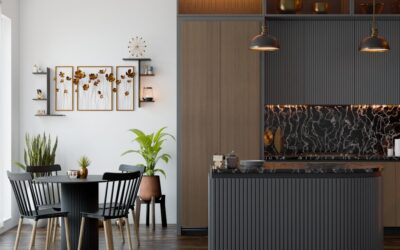
Small kitchens force hard choices between prep space and a place to eat, but a smart piece of furniture can give you both. A kitchen island with pull out table hides a retractable dining or work surface inside the island body, sliding out when you need it and tucking away when you do not. It is one of the most practical space-saving ideas for compact homes, apartments, and open-plan layouts. This guide covers the designs available, how the mechanisms work, sizing, and what to look for when buying or building one.
Part of our Kitchen Remodeling guide — explore the full guide →
- How a Pull-Out Table Island Works
- Common Design Styles
- The Sliding Mechanism
- Sizing and Clearances
- Best Uses for the Extra Surface
- Storage and Extra Features
- Buying vs. Building
- Materials and Durability
- Seating That Works With a Pull-Out
- Measuring Your Kitchen First
- Maintenance and Longevity
- Is It Right for Your Kitchen
How a Pull-Out Table Island Works
The concept is simple: a slim table panel stores flush inside the island, riding on drawer slides or a telescoping frame, and extends horizontally when pulled. Some versions slide out at counter height to add prep space, while others sit lower for comfortable dining and pair with stools or chairs. When retracted, the table disappears into a dedicated slot, leaving the island looking like an ordinary cabinet. It effectively doubles the island’s usefulness without adding a permanent footprint.
Common Design Styles
Pull-out tables come in several configurations to suit different needs.
- End pull-out: the table slides out from the short end of the island, ideal for seating two people at the end
- Side pull-out: extends from the long side to create a bar or extra prep run
- Two-tier pull-out: a lower dining table plus a separate upper prep shelf, maximizing function in one unit
- Drop-leaf hybrid: combines a sliding panel with a fold-up leaf for a larger surface when fully deployed
- Nesting table: a fully removable table that stores inside the island and can be positioned anywhere
End pull-outs are the most common because they create a natural spot for two stools without blocking the kitchen’s work triangle.
The Sliding Mechanism
The hardware is what makes or breaks these islands. Quality units use heavy-duty full-extension ball-bearing slides rated for the weight of the table plus whatever sits on it, typically 75 to 150 pounds. Cheaper models use simple wooden runners that stick, sag, and wear out. Look for a table that locks in both the extended and retracted positions so it does not creep out on its own or slam shut. Some designs add a folding leg that drops down to support the far end when the table is fully out, which matters for stability if you plan to lean on it or eat a full meal.
Sizing and Clearances
Measure carefully so the deployed table has room to function. A pull-out dining surface for two typically needs to extend 24 to 30 inches and be about 30 inches wide. You need at least 36 inches of clear floor beyond the retracted island edge for the table plus seating, and ideally 42 to 48 inches so people can pull chairs out and walk behind them. Confirm the extended table does not block a doorway, appliance door, or the main walkway when in use.
Height matters too. Counter-height islands sit at 36 inches, better for standing prep and bar stools, while a pull-out meant for dining is more comfortable at standard table height of about 30 inches, paired with regular chairs.
Best Uses for the Extra Surface
A kitchen island with pull out table earns its keep in more ways than dining. Use it as overflow prep space when you are cooking a big meal, a buffet-style serving surface for guests, a homework or laptop station for kids, or a casual breakfast bar for a quick meal. In truly tiny kitchens, the pull-out becomes the only table in the home, sliding away after each meal to reclaim the floor. The flexibility is exactly what makes the feature so popular in studios and small condos.
Storage and Extra Features
Because the table steals some interior volume, plan your storage around it. Many islands pair the pull-out with drawers, open shelving, a towel bar, or a wine rack in the remaining space. Look for models that combine the table with genuine storage rather than leaving dead space around the mechanism. Casters with locking wheels are another popular addition, letting you roll the whole island to where you need it, though a rolling island must be smaller and lighter to stay stable.
Buying vs. Building
Ready-made pull-out islands from retailers range from about $200 for a small rolling cart with a slide-out panel to $1,500 or more for a solid-wood built-in-quality piece. When shopping, test the slide action in person if you can, check the weight rating, and confirm the table locks securely. If you are handy, building your own around commercial full-extension slides and a butcher-block or plywood top is very doable for $150 to $400 in materials, and it lets you size the table exactly to your kitchen and match your existing cabinetry.
Materials and Durability
The tabletop takes real abuse from knives, hot pans, and daily wiping, so material choice counts. Butcher block looks warm and is easy to refinish but needs periodic oiling. Laminate resists moisture and cleans easily on a budget. Solid wood offers durability and repairability at a higher price. Whatever the surface, make sure it is sealed against spills, since a pull-out that lives partly hidden inside the island can trap moisture and warp if left wet.
Seating That Works With a Pull-Out
The seating you pair with the table shapes how comfortable it is to use. For a counter-height pull-out around 36 inches, choose 24-inch counter stools; for a standard table-height surface near 30 inches, use regular 18-inch dining chairs. Backless stools are the space-saver’s friend because they slide fully under the island when not in use, keeping the floor clear. Leave about 24 inches of width per seated person so nobody bumps elbows, and confirm there is knee clearance under the extended table, since a thick apron or the slide mechanism can eat into legroom. Stools on casters or lightweight chairs make it easy to pull the whole setup together for a meal and break it down afterward.
Measuring Your Kitchen First
Before you buy, map the space carefully. Sketch the island’s footprint, then draw the table in its fully extended position and the seating around it, checking that nothing blocks the refrigerator door, oven door, dishwasher, or the main traffic path. Remember that a person seated at the pull-out needs the chair pulled out behind them, so account for roughly 42 to 48 inches of total clearance from the island edge when someone is dining. In a galley kitchen, make sure the extended table still leaves a walkable aisle for anyone passing behind. Taking these measurements before purchasing prevents the common disappointment of a great island that cannot actually deploy its table in your layout.
Maintenance and Longevity
A pull-out mechanism is the part most likely to wear, so a little care keeps it working. Occasionally wipe the slides clean of crumbs and grease and add a touch of dry lubricant so the table glides smoothly, avoiding oily lubricants that attract grime. Do not overload the extended table beyond its rated capacity, and avoid using it as a step stool or seat, which stresses the slides and support leg. Check the mounting screws periodically and snug any that loosen from repeated use. Treat the tabletop like any hardworking kitchen surface, using cutting boards and trivets, and reseal butcher block as needed. With basic upkeep, a quality pull-out island stays smooth and stable for many years.
Is It Right for Your Kitchen
If your kitchen lacks room for both a full island and a dining table, a kitchen island with pull out table gives you the function of both in one footprint. Prioritize a sturdy slide mechanism, plan for adequate clearance when the table is extended, and choose a model that keeps useful storage. Whether you buy ready-made or build to fit, this clever piece turns a cramped kitchen into a flexible, hard-working space that adapts to cooking, dining, and everything in between.