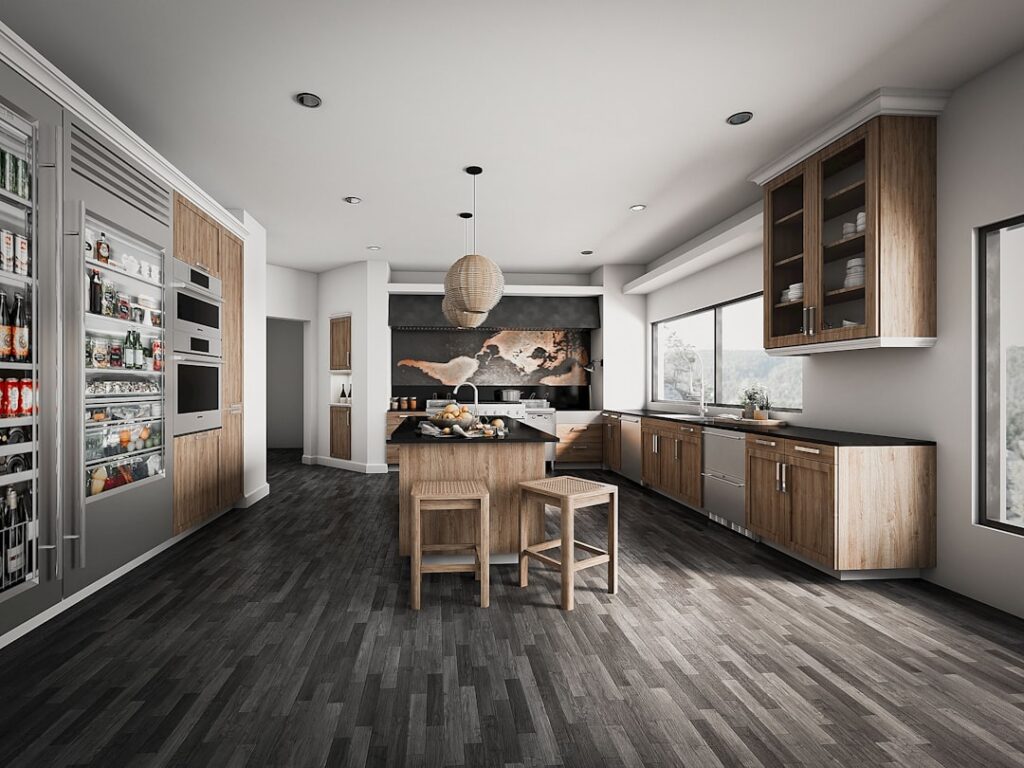
Kitchens are one of the hardest-working rooms in any home. Between dropped utensils, spilled liquids, heavy foot traffic, and constant cleaning, kitchen floors take a beating. Laminate flooring has become increasingly popular in kitchens thanks to modern water-resistant technology, realistic visuals, and budget-friendly pricing. But is it truly the right fit for your kitchen?
- Can You Use Laminate Flooring in a Kitchen?
- Benefits of Laminate Flooring in the Kitchen
- Drawbacks of Kitchen Laminate Flooring
- Choosing the Best Kitchen Laminate
- Best Laminate Styles for Kitchens
- Installation Tips for Kitchen Laminate
- Caring for Kitchen Laminate Flooring
- Kitchen Laminate vs. Other Flooring Options
- Final Thoughts
This guide examines the pros and cons of kitchen laminate flooring, helps you choose the right product, and provides installation and care tips to get the most out of your investment.
Can You Use Laminate Flooring in a Kitchen?
Yes, but with a caveat. Standard laminate flooring is made with an HDF (high-density fiberboard) core that can swell and warp when exposed to standing water. In a kitchen, where spills are inevitable, this is a legitimate concern.
However, many manufacturers now offer water-resistant laminate flooring designed specifically for moisture-prone areas. These products feature sealed edges, water-repellent cores, and tight-locking mechanisms that prevent moisture from reaching the vulnerable HDF core. Some premium brands even offer waterproof laminate with polymer-infused cores that can withstand standing water for 24 to 72 hours without damage.
The key is choosing the right product. Budget laminate without water protection is not suitable for kitchens. Water-resistant or waterproof laminate, installed properly, can perform very well.
While you’re upgrading the kitchen floor, it might be a good time to rethink the seating too. Swapping out old bar stools is one of those small changes that makes the whole room feel more pulled together.
We may earn a commission when you purchase through our links.
Benefits of Laminate Flooring in the Kitchen
Realistic Appearance
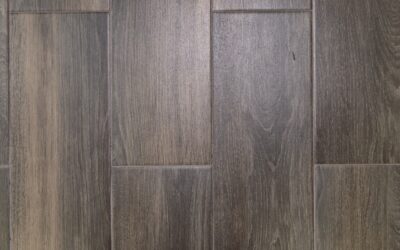
Modern laminate features high-definition photographic printing and embossed-in-register textures that closely replicate hardwood, stone, and tile. You can get the look of white oak, reclaimed barn wood, or Carrara marble at a fraction of the cost. In a kitchen, where aesthetics and budget often compete, laminate offers a compelling compromise.
Affordability
Laminate typically costs between $1.50 and $5 per square foot for materials, compared to $5 to $15 for hardwood and $3 to $10 for luxury vinyl. For a 200-square-foot kitchen, you could save hundreds or even thousands of dollars by choosing laminate over pricier alternatives.
Easy Installation
Most laminate flooring uses a click-lock system that allows planks to snap together without glue or nails. The floor floats over an underlayment, making it a popular DIY project that can be completed in a day for an average-sized kitchen. No special tools are required beyond a saw, tapping block, and pull bar.
Durability
The melamine wear layer on laminate resists scratches, stains, and fading better than many natural materials. Dropped pans, sliding chairs, and pet claws are less likely to leave permanent marks. AC-rated laminate (the industry durability standard) in AC3 or higher is suitable for residential kitchens.
Easy Maintenance
Laminate is simple to clean — sweep or vacuum regularly and damp mop as needed. There is no need for waxing, sealing, or refinishing. This low-maintenance quality is especially appealing in a kitchen where messes happen daily.
Drawbacks of Kitchen Laminate Flooring
Water Vulnerability
Even water-resistant laminate has limits. A major leak from a dishwasher or refrigerator water line that goes undetected can cause swelling and permanent damage. Unlike LVP flooring or tile flooring, laminate cannot be submerged without risk.
Cannot Be Refinished
Once laminate is damaged, the affected planks must be replaced. There is no sanding and refinishing like there is with hardwood. Fortunately, most click-lock systems allow individual plank replacement if you have matching spares on hand.
Sound and Feel
Laminate can sound hollow underfoot compared to solid wood or tile. A quality underlayment mitigates this, but the floor will never feel exactly like the material it imitates. Some homeowners notice the difference, while others find it perfectly acceptable.
Lower Resale Perception
While laminate has improved dramatically, some homebuyers still perceive it as a less desirable option compared to hardwood or tile. This matters less in kitchens, where practical flooring choices are generally well-received, but it is worth considering if you plan to sell soon.
Choosing the Best Kitchen Laminate
Water Resistance Rating
Look for products specifically labeled as water-resistant or waterproof. Check the manufacturer’s warranty for water protection claims. The best kitchen laminates offer at least 24-hour surface water resistance and sealed edges that prevent moisture wicking.
AC Rating
The AC (Abrasion Class) rating indicates durability. For kitchens, choose AC3 or higher. AC4 and AC5 are commercial-grade ratings that provide even greater wear resistance, which can be worth the small price premium in a busy kitchen.
Thickness
Thicker laminate (10mm to 14mm) feels more substantial underfoot, produces less hollow sound, and bridges minor subfloor imperfections better than thinner options. For kitchens, 10mm or thicker is recommended.
Texture
Embossed-in-register (EIR) laminate aligns the surface texture with the printed grain pattern, creating the most realistic look and feel. Hand-scraped and wire-brushed textures also add visual depth and help hide minor scratches.
Plank Size
Wider, longer planks (seven inches wide, 48 to 72 inches long) create a more modern, open look in kitchens. Narrower planks suit smaller kitchens and traditional design styles.
Best Laminate Styles for Kitchens
- White oak look: Warm, neutral, and versatile — works with any cabinet color
- Gray wood tones: Contemporary and popular with white or dark cabinetry
- Rustic reclaimed wood: Adds character to farmhouse and cottage kitchens
- Tile and stone look: Large-format laminate tiles that replicate ceramic or natural stone
- Light maple or birch: Brightens kitchens and makes small spaces feel larger
Installation Tips for Kitchen Laminate
- Remove appliances: Pull out the refrigerator, dishwasher, and stove before installing. Install the laminate under the appliance spaces for a clean, continuous look.
- Use quality underlayment: Choose an underlayment with built-in moisture barrier, especially over concrete subfloors. This adds a layer of protection against moisture from below.
- Seal expansion gaps: Apply silicone caulk where the laminate meets the cabinets, dishwasher area, and sink base to prevent water from seeping under the floor.
- Leave proper expansion gaps: Maintain a quarter-inch to three-eighths-inch gap around all walls and fixed objects. Cover with baseboards or quarter-round molding.
- Acclimate the flooring: Let the boxes sit in the kitchen for 48 hours before installation so the planks adjust to the room’s temperature and humidity.
- Run planks perpendicular to windows: This direction catches light in a way that enhances the wood-grain texture.
Caring for Kitchen Laminate Flooring
- Sweep or vacuum daily to prevent grit from scratching the surface
- Damp mop with a laminate-specific cleaner — never soak the floor
- Wipe up spills immediately, even on water-resistant products
- Use felt pads under table and chair legs
- Place a mat in front of the sink to catch splashes
- Never use steam mops, which can force moisture into the seams
- Keep extra planks from the original batch for future repairs
Kitchen Laminate vs. Other Flooring Options
How does laminate stack up against common kitchen flooring alternatives?
- Laminate vs. LVP: LVP is fully waterproof and softer underfoot but may not look as realistic as top-tier laminate. LVP is the safer choice for kitchens with higher water risk.
- Laminate vs. tile: Tile is completely waterproof and adds resale value but costs more to install and feels cold and hard underfoot. Laminate is warmer and more comfortable.
- Laminate vs. hardwood: Hardwood adds the most value but is expensive, sensitive to moisture, and requires more maintenance. Laminate replicates the look without the vulnerability.
Final Thoughts
Kitchen laminate flooring has earned its place as a smart, stylish, and budget-friendly option. The key is choosing a water-resistant or waterproof product, installing it correctly, and practicing good habits like wiping spills promptly. If you want the look of hardwood in your kitchen without the price tag or the worry, modern laminate delivers remarkably well.
Prefer to explore on your own?
See how new flooring looks in your actual room in seconds — free, no signup.
Try the free Floor Studio →