Over 30 years in the flooring trade, I have watched tile effect laminate evolve from an unconvincing imitation into a genuinely realistic alternative to ceramic and porcelain tile. If you want the clean look of stone or tile without the cold feel, the difficult installation, or the premium price tag, modern tile effect laminate deserves serious consideration. The technology behind these products has improved dramatically, and the best options on the market today fool even experienced eyes.
Part of our Tile & Grout guide — explore the full guide →
This guide covers what tile effect laminate is, which brands offer the most realistic products, how it stacks up against real tile, and whether waterproof options make it suitable for kitchens and bathrooms.
What Is Tile Effect Laminate?
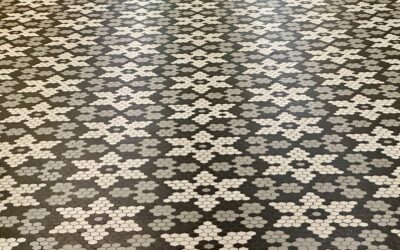
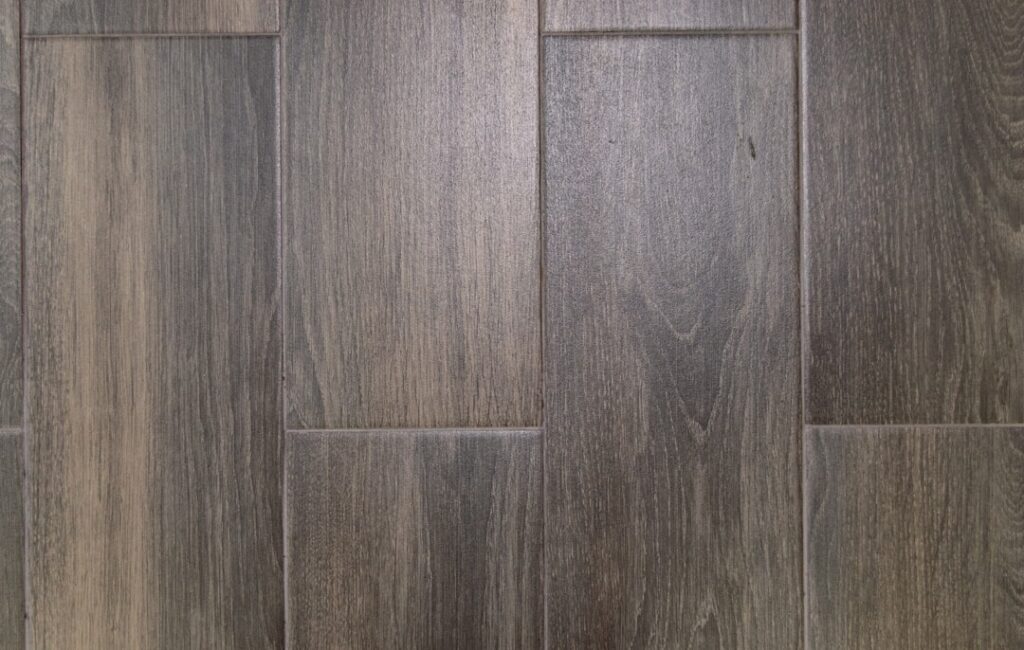
Tile effect laminate is standard laminate flooring manufactured with a high-resolution photograph of natural stone, ceramic tile, slate, marble, or travertine applied to the surface. The printed design is protected by a melamine wear layer and often features textured embossing that replicates the surface feel of real tile—including grout line indentations, slate ridges, and polished stone smoothness.
The construction is identical to wood-look laminate: an HDF (high-density fiberboard) core with a decorative print layer on top and a stabilizing backer layer underneath. Planks or tiles connect via click-lock profiles and install as a floating floor over underlayment.
The key difference from real tile is that laminate is warm underfoot, lighter in weight, and installs in a fraction of the time. It does not require mortar, grout, or specialized tile-setting skills. For many homeowners, these practical advantages outweigh the aesthetic compromises.
Most Realistic Options Available
Realism in tile effect laminate comes down to three factors: print quality, texture, and format. Here is what separates convincing products from obvious fakes:
Print Technology
The best manufacturers use digital printing with multiple unique tile images per box (8 to 12 different patterns), preventing the repetitive look that plagued early products. True-to-life color variation, natural veining in marble looks, and irregular stone textures make modern prints remarkably convincing.
Registered Embossing
In registered embossing (also called EIR—embossed in register), the surface texture aligns precisely with the printed image. Raised areas correspond to the grout lines in the print, and the “tile” surface has a different texture than the “grout” area. This alignment creates a visual and tactile experience that closely mimics real tile. Products without registered embossing feel flat and unconvincing.
Grout Line Detail
The most realistic tile effect laminates include V-groove or U-groove edges that simulate grout lines between tiles. Some products feature micro-beveled edges with a different color in the groove to replicate colored grout. This detail is what sells the illusion from a standing viewing distance.
Tile Formats
While many tile effect laminates come in plank format, the most realistic options use large square or rectangular formats that match actual tile dimensions (12×12, 12×24, or 16×16 inches). The larger format reduces the number of visible seams and makes the floor look more like a genuine tile installation.
Pros and Cons vs Real Tile
Advantages of Tile Effect Laminate
- Warm underfoot: Laminate does not conduct cold like ceramic or porcelain. You can walk barefoot comfortably in any season without heated floors.
- Easier installation: Click-lock floating installation requires no mortar, grout, tile spacers, or wet saw. Most homeowners can install a room in a single day.
- Lower cost: Tile effect laminate costs 30 to 60 percent less than real tile when you factor in installation labor and materials.
- Lighter weight: Laminate weighs significantly less than tile, making it suitable for upper floors and structures that cannot support the weight of a tile installation.
- Softer feel: Less fatiguing to stand on for long periods. Dropped dishes are also less likely to shatter on laminate than on hard tile.
- No grout maintenance: Real tile grout stains, cracks, and requires periodic sealing. Laminate has no grout to maintain.
Disadvantages of Tile Effect Laminate
- Water vulnerability: Standard laminate swells and warps when exposed to standing water. Even waterproof options have limitations compared to real tile.
- Shorter lifespan: Laminate lasts 15 to 25 years. Tile lasts 30 to 50 years or longer.
- Cannot be refinished: When the wear layer is damaged, the floor must be replaced entirely. Tile can be regrouted and individual tiles replaced.
- Less convincing up close: From a few feet away, good tile effect laminate looks real. On hands and knees, the printed nature of the surface becomes apparent to most people.
- Lower resale perception: Real tile adds more to home value than laminate, especially in kitchens and bathrooms where buyers expect genuine materials.
Waterproof Tile Effect Laminate
Traditional laminate with an HDF core is not waterproof. However, several manufacturers now offer water-resistant and waterproof laminate options that address this weakness:
- Water-resistant laminate: Features tighter click-lock seams and wax-treated edges that repel surface moisture for a limited time (typically up to 24 hours). The HDF core will still swell if water penetrates to it. Suitable for kitchens with occasional spills but not bathrooms.
- Waterproof laminate: Uses a waterproof composite core instead of HDF. Products like Mohawk RevWood Plus and Pergo WetProtect use polymer cores that truly resist water damage. These can be used in kitchens and powder rooms with reasonable confidence.
If you specifically need waterproof tile-look flooring, also consider SPC luxury vinyl tile (LVT), which offers completely waterproof performance in tile formats with similar realistic visuals. The line between waterproof laminate and LVT has blurred significantly.
Top Brands to Consider
- Quick-Step: Their Exquisa and Impressive lines include some of the most realistic tile and stone effects in laminate. Quick-Step’s patented Uniclic connection system is among the best for tile-format laminate. European manufacturing with excellent quality control.
- Pergo: The original laminate brand now offers tile effects in their Portfolio and TimberCraft lines. The WetProtect technology provides genuine waterproof protection—a major advantage for kitchen installations.
- Mohawk RevWood: Mohawk’s tile-look laminates in the RevWood Plus line feature their All Pet Protection warranty and waterproof performance. Wide color selection covering marble, slate, and concrete looks.
- Kronotex: A German manufacturer with high-quality tile effect laminates at competitive prices. Their products are widely available through online retailers and flooring stores.
- Classen: Another German brand known for large-format tile effect laminate with registered embossing. Their Visiogrande line specifically targets the tile-look market.
Kitchen and Bathroom Use
These are the rooms where people most want tile-look flooring, but they are also the rooms with the most moisture. Here is my honest assessment:
Kitchens
Tile effect laminate works well in kitchens if you choose a water-resistant or waterproof product and clean up spills promptly. The majority of kitchen moisture—cooking steam, occasional drips, tracked-in water—will not damage a quality tile effect laminate. The risk comes from dishwasher leaks, refrigerator line breaks, and standing water that goes unnoticed behind appliances. For kitchens, I recommend waterproof laminate or waterproof LVT over standard laminate.
Bathrooms
I do not recommend standard tile effect laminate in full bathrooms with showers or tubs. The moisture exposure is too consistent and too heavy. Waterproof laminate or waterproof LVT is acceptable in powder rooms (half-baths) where the only water source is a sink. For full bathrooms, real tile or waterproof LVP remains the safer choice.
Installation Tips
Tile effect laminate installs the same as wood-look laminate with a few additional considerations:
- Plan your layout: Unlike random-stagger wood planks, tile-look floors often look best with a symmetrical layout. Measure the room and calculate how to center the pattern so that cut pieces at the edges are roughly equal on opposite sides.
- Use appropriate underlayment: A thin foam underlayment (2mm) with a moisture barrier is standard. Do not use thick carpet-style pads—they create too much flex under tile-format laminate.
- Maintain straight lines: Tile patterns look wrong when rows are not perfectly straight. Snap chalk lines and check alignment frequently during installation. Even a slight drift is more noticeable with tile patterns than with wood patterns.
- Handle large formats carefully: Larger tile-format laminate pieces are heavier and more awkward to handle than narrow planks. Have a helper for installation, especially when engaging click-lock connections on large squares.
- Leave expansion gaps: Standard 1/4-inch expansion gaps apply. Cover gaps with baseboards or quarter-round.
Cost Comparison
| Option | Material Cost/sq ft | Installed Cost/sq ft |
|---|---|---|
| Tile effect laminate (standard) | $1.50-$3.00 | $3.00-$5.00 |
| Tile effect laminate (waterproof) | $2.50-$4.50 | $4.00-$6.50 |
| Ceramic tile (mid-range) | $2.00-$5.00 | $6.00-$12.00 |
| Porcelain tile (quality) | $3.00-$8.00 | $8.00-$15.00 |
| Natural stone tile | $5.00-$20.00 | $12.00-$30.00 |
| Luxury vinyl tile (tile look) | $2.00-$5.00 | $3.50-$7.00 |
For a 300-square-foot kitchen, tile effect laminate saves $1,000 to $3,000 compared to real tile. That savings grows substantially in larger installations or when comparing to natural stone.
Frequently Asked Questions
Does tile effect laminate look fake?
Quality tile effect laminate with registered embossing looks surprisingly real from standing height and normal viewing distances. Visitors to homes I have installed it in often do not realize it is laminate until I tell them. The illusion breaks down at very close inspection and when touching the surface—it clearly feels like laminate rather than stone. Budget products with poor print quality and flat textures do look fake.
Can I use tile effect laminate with underfloor heating?
Most tile effect laminates are compatible with underfloor heating systems as long as the surface temperature does not exceed 80 to 85 degrees Fahrenheit. Check the manufacturer’s specifications for your specific product. Use a low-temperature hydronic or electric system rather than a high-output system designed for real tile.
How long does tile effect laminate last?
With proper care, expect 15 to 25 years of service life depending on wear layer quality and traffic levels. AC4-rated products handle residential traffic easily. AC5-rated products can handle light commercial use. The laminate will typically outlast its appearance—after 15 years, style preferences change and most homeowners choose to update rather than wait for the floor to wear out.
Is tile effect laminate slippery?
Tile effect laminate with textured embossing has good slip resistance, comparable to or better than polished ceramic tile. Smooth, glossy finishes can be slippery when wet. For kitchens and entryways, choose a matte or textured finish over a high-gloss option.
Prefer to explore on your own?
See how new flooring looks in your actual room in seconds — free, no signup.
Try the free Floor Studio →