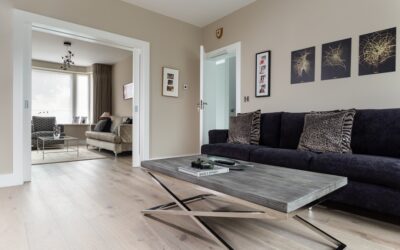
Tile effect laminate flooring gives you the clean, sophisticated look of ceramic or stone tile without the cold underfoot feel, difficult installation, or high price tag. This hybrid option has gained serious traction among homeowners who want a tile aesthetic in kitchens, bathrooms, hallways, and living areas but prefer the warmth, comfort, and affordability that laminate flooring delivers.
Part of our Tile & Grout guide — explore the full guide →
In this guide, we break down everything you need to know about tile effect laminate — from the different styles available and realistic cost expectations to installation methods, performance in wet areas, and the brands worth considering in 2026.
- What Is Tile Effect Laminate Flooring?
- Popular Tile Effect Laminate Styles
- Pros of Tile Effect Laminate Flooring
- Cons and Limitations
- Where to Use Tile Effect Laminate
- Installation Overview
- Cost Breakdown
- Tile Effect Laminate vs Other Flooring Options
- Maintenance Tips
- Frequently Asked Questions
- Final Thoughts
What Is Tile Effect Laminate Flooring?
Tile effect laminate flooring is standard laminate that features a photographic layer designed to replicate the appearance of ceramic tile, porcelain, natural stone, or slate. The surface is printed with a high-resolution image of tile, complete with simulated grout lines that are either embossed into the plank surface or created by beveled edges between individual pieces.
The core is made from high-density fiberboard (HDF), the same material used in traditional wood-look laminate. A wear layer on top protects against scratches and fading, while a backing layer provides moisture resistance and dimensional stability.
How It Differs from Actual Tile
Unlike real tile flooring, tile effect laminate does not require mortar, grout, or specialized cutting tools for installation. It clicks together using a tongue-and-groove system, making it a viable DIY project for most homeowners. It is also warmer underfoot, lighter in weight, and considerably less expensive per square foot.
The tradeoff is durability in wet environments. While tile effect laminate can handle occasional splashes, it is not waterproof. The HDF core can swell and warp if exposed to standing water, which limits its suitability for full bathrooms and wet rooms compared to actual ceramic or porcelain tile.
Popular Tile Effect Laminate Styles
The range of tile looks available in laminate has expanded dramatically. Here are the most popular styles you will find on the market today.
Marble Effect
Marble effect laminate replicates the dramatic veining and polished surface of natural marble at a fraction of the cost. White Carrara, grey marble, and calacatta patterns are the most sought-after designs. These work beautifully in entryways, kitchens, and living spaces where you want an upscale, elegant appearance without the maintenance demands or vulnerability of real natural stone.
Slate Effect
Slate effect laminate captures the textured, layered appearance of natural slate with embossed surfaces that feel remarkably realistic underfoot. Dark charcoal, grey, and multi-toned earth colors are common. This style suits rustic, industrial, and contemporary interiors equally well and pairs naturally with exposed brick, concrete accents, and neutral wall colors.
Ceramic and Porcelain Effect
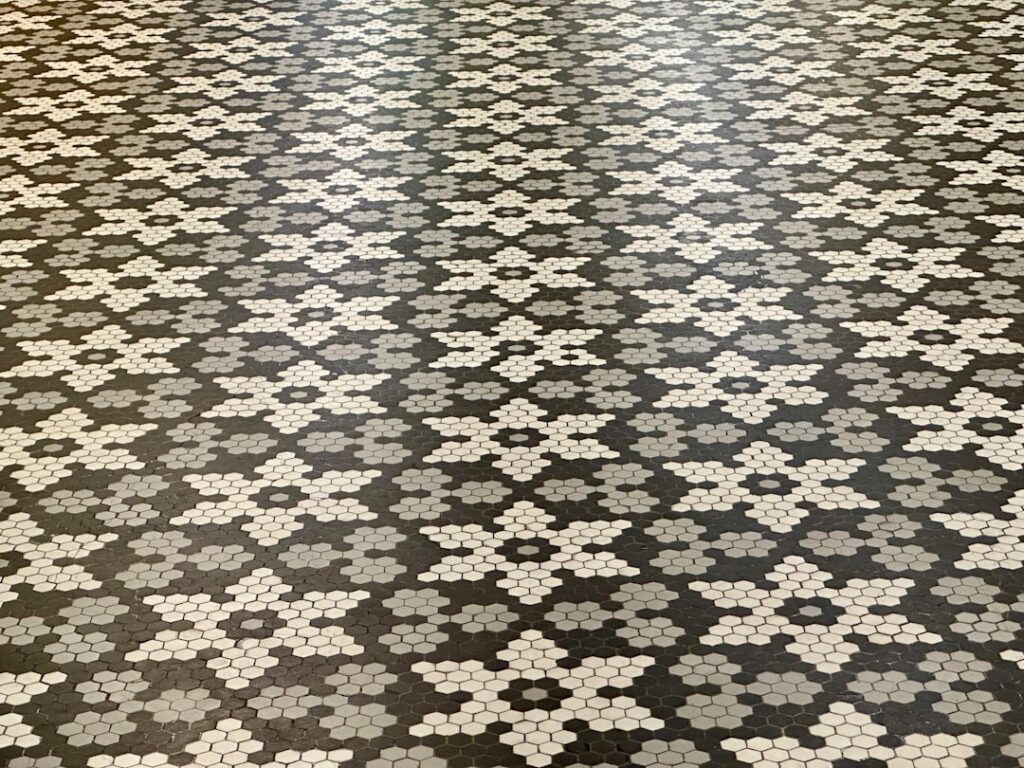
Classic ceramic and porcelain tile looks in laminate range from clean white subway tile patterns to ornate encaustic and Mediterranean designs. These are ideal for kitchens and utility rooms where you want a traditional tile floor without the cold, hard surface. Some manufacturers produce large-format laminate tiles that convincingly replicate the look of oversized porcelain slabs.
Travertine Effect
Travertine laminate mimics the warm, earthy tones and subtle pitting of natural travertine stone. Cream, beige, and warm grey options create an inviting atmosphere in open-plan living spaces and kitchens. The embossed textures on premium travertine-look laminate are sophisticated enough to fool most casual observers.
Concrete Effect
For modern and minimalist interiors, concrete effect laminate delivers the industrial look of polished concrete flooring with the comfort and warmth of laminate. Light grey, dark charcoal, and warm greige tones are available. This style has become particularly popular in open-concept homes and loft-style apartments.
Pros of Tile Effect Laminate Flooring
There are several compelling reasons homeowners choose tile effect laminate over actual tile or stone flooring.
Affordability
Tile effect laminate typically costs between $1.50 and $4.00 per square foot for materials, compared to $3.00 to $15.00 or more per square foot for ceramic, porcelain, or natural stone tile. When you factor in the lower installation costs — no mortar, grout, or specialized labor required — the savings are substantial.
Comfortable Underfoot
One of the biggest complaints about real tile is how cold and hard it feels, especially in cooler climates. Tile effect laminate is significantly warmer underfoot and has a slight give that reduces fatigue during prolonged standing. Adding an underlayment further enhances comfort and cushioning.
Easy DIY Installation
Click-lock installation means most homeowners can install tile effect laminate themselves over a weekend. No thinset, grout, tile spacers, or wet saws are needed. The planks or tiles float over the subfloor, making future removal and replacement straightforward.
Low Maintenance
Without grout lines to scrub and seal, tile effect laminate requires far less maintenance than real tile. Regular sweeping and occasional damp mopping with a laminate-safe cleaner is all that is needed to keep it looking sharp.
Compatibility with Underfloor Heating
Most tile effect laminate is compatible with underfloor heating systems, which offsets the warmth advantage that real tile has when paired with radiant heat. Check the manufacturer’s specifications for maximum temperature ratings.
Cons and Limitations
Tile effect laminate is not without drawbacks, and understanding these helps you make an informed decision.
Not Waterproof
Standard tile effect laminate with an HDF core is water-resistant but not waterproof. Standing water that reaches the core through seams or edges causes swelling and permanent damage. This makes it a risky choice for full bathrooms, laundry rooms, and areas prone to flooding. For truly wet areas, consider waterproof flooring options like SPC or LVP with a tile look instead.
Less Authentic Than Real Tile
While modern printing and embossing technology has improved dramatically, tile effect laminate still does not perfectly replicate the depth, weight, and coolness of real tile or stone. Up close, the repeating print patterns can be noticeable, especially with lower-quality products.
Shorter Lifespan
Quality tile effect laminate lasts 15 to 25 years, while real ceramic or porcelain tile can last 50 years or more with proper care. The wear layer on laminate eventually wears through in high-traffic areas, and unlike tile, laminate cannot be refinished.
Hollow Sound
Floating laminate floors can produce a hollow, clicking sound underfoot. A quality underlayment significantly reduces this issue, but the floor will never feel as solid as grouted tile adhered directly to the subfloor.
Where to Use Tile Effect Laminate
Choosing the right rooms for tile effect laminate ensures you get the best performance and longevity from your investment.
Best Rooms
- Kitchen: Ideal for kitchens with normal use. The tile look fits the space perfectly, and the warmer surface is more comfortable for prolonged cooking and meal prep.
- Hallways and entryways: High-traffic areas benefit from the durable wear layer, and the tile aesthetic creates a welcoming first impression.
- Living rooms and dining rooms: Marble or travertine effect laminate adds elegance to entertaining spaces without the installation hassle.
- Utility rooms: Suitable if you clean up spills promptly and the room has adequate ventilation.
Rooms to Avoid
- Full bathrooms: Too much moisture exposure for standard HDF-core laminate. Use waterproof LVP or actual tile instead.
- Laundry rooms: Risk of water leaks from appliances makes laminate a questionable choice.
- Basements: Below-grade moisture issues can compromise laminate. Waterproof options are safer here.
Installation Overview
Installing tile effect laminate follows the same process as standard laminate flooring. Here is a brief overview of the key steps.
Subfloor Preparation
The subfloor must be clean, dry, level, and structurally sound. Deviations greater than 3mm over a 1-meter span should be leveled with self-leveling compound or sanded down. Moisture test concrete subfloors and apply a vapor barrier if readings exceed manufacturer thresholds.
Acclimation
Allow the laminate tiles to acclimate in the room where they will be installed for at least 48 hours. This allows the material to adjust to the room’s temperature and humidity, reducing the risk of expansion or contraction after installation.
Laying the Floor
Install the underlayment first, then begin laying tiles from the longest, most visible wall. Use spacers to maintain an expansion gap of 8 to 12mm around the perimeter. Click tiles together row by row, staggering joints for a natural, realistic appearance. Cut tiles as needed with a laminate cutter or fine-toothed saw.
Finishing Touches
Install matching baseboards, transition strips at doorways, and end caps at exposed edges. These cover the expansion gaps and give the installation a polished, professional finish.
Cost Breakdown
Understanding the full cost helps you budget accurately for a tile effect laminate project.
Material Costs
- Budget tile effect laminate: $1.00 to $2.00 per square foot
- Mid-range options: $2.00 to $3.50 per square foot
- Premium brands: $3.50 to $5.00 per square foot
Underlayment
Plan for an additional $0.30 to $0.75 per square foot for underlayment unless the laminate has a pre-attached pad. Foam underlayment is the most affordable option, while cork underlayment offers superior sound reduction.
Professional Installation
If you hire a professional, expect to pay $2.00 to $4.00 per square foot for labor. A 300-square-foot kitchen would cost roughly $600 to $1,200 for installation alone, plus materials.
Total Project Cost Example
For a 300-square-foot kitchen using mid-range tile effect laminate with professional installation, expect a total budget of approximately $1,200 to $2,000 including materials, underlayment, and labor.
Tile Effect Laminate vs Other Flooring Options
Vs Ceramic Tile
Ceramic tile is more durable, waterproof, and long-lasting, but it is also more expensive, colder underfoot, and far more difficult to install. Tile effect laminate wins on comfort, cost, and ease of installation.
Vs Vinyl Tile
Vinyl tile offers better waterproofing than laminate, making it suitable for bathrooms and basements. However, laminate generally has a more realistic texture and feel underfoot. If moisture resistance is a priority, vinyl is the safer bet.
Vs Engineered Wood
Engineered wood offers a real wood surface but does not replicate the tile look. If you specifically want a tile aesthetic with the practicality of a floating floor, tile effect laminate is the clear choice.
Maintenance Tips
Keeping tile effect laminate looking its best requires minimal effort, but consistency matters.
- Sweep or vacuum daily to remove grit that can scratch the wear layer
- Damp mop weekly with a laminate-approved cleaner — never soak the floor
- Wipe up spills immediately to prevent moisture from reaching the core
- Use felt pads under furniture legs to prevent scratching and denting
- Avoid steam mops — the heat and moisture combination damages laminate
- Place mats at doorways to trap dirt and moisture before they reach the floor
Frequently Asked Questions
Can tile effect laminate be used in bathrooms?
Standard tile effect laminate is not recommended for bathrooms due to moisture exposure. Some manufacturers offer water-resistant versions with sealed edges that handle occasional splashes, but for full bathrooms with showers or tubs, waterproof LVP or actual tile is the better choice.
Does tile effect laminate look realistic?
Premium tile effect laminate with embossed-in-register (EIR) textures looks remarkably realistic, especially from standing height. Budget options with flat surfaces and repetitive patterns are less convincing. Spending more on a quality product makes a significant visual difference.
How long does tile effect laminate last?
With proper care, quality tile effect laminate lasts 15 to 25 years. Higher AC-rated products (AC4 and AC5) hold up better in high-traffic areas. Avoid excessive moisture and abrasive cleaning to maximize lifespan.
Can you install tile effect laminate over existing tile?
Yes, as long as the existing tile floor is level, firmly adhered, and in good condition. Clean the tile surface thoroughly, apply underlayment, and install the laminate on top. Deep grout lines may need to be filled with leveling compound first.
Is tile effect laminate slippery?
Most tile effect laminate has a textured surface that provides reasonable traction when dry. When wet, it can be slippery — another reason to wipe up spills promptly. Products with embossed textures offer better slip resistance than those with smooth, glossy finishes.
Final Thoughts
Tile effect laminate flooring is a smart, budget-friendly way to achieve the look of tile or stone in your home without the expense, complexity, and discomfort of the real thing. It is best suited for kitchens, hallways, living spaces, and dining areas where moisture exposure is manageable. For wet rooms and basements, consider waterproof alternatives that offer similar tile aesthetics with superior moisture protection. Choose a premium product with realistic texturing, pair it with a quality underlayment, and maintain it properly — your tile effect laminate floor will look stunning for years.
Prefer to explore on your own?
See how new flooring looks in your actual room in seconds — free, no signup.
Try the free Floor Studio →