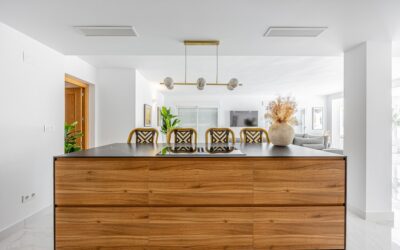
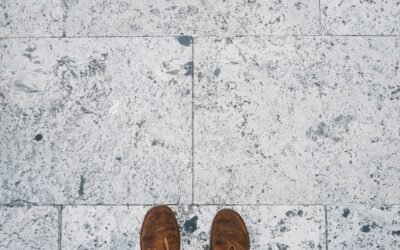
LVT flooring tile effect gives you the upscale look of natural stone, marble, or ceramic tile without the cold, hard, brittle reality of the real thing, and it usually costs $3 to $5 per square foot in materials. Luxury vinyl tile uses high-definition printing and embossed textures to convincingly mimic slate, travertine, concrete, and porcelain, then wraps it in a warm, waterproof, comfortable plank or square. For homeowners who love the tile aesthetic but not its drawbacks, LVT is a compelling middle path. This guide explains how tile-effect LVT works, its pros and cons, grout options, and how to buy the right product.
Part of our Tile & Grout guide — explore the full guide →
What Tile-Effect LVT Is
Luxury vinyl tile in a tile effect is a multi-layer vinyl product designed to replicate the appearance of ceramic, porcelain, or natural stone. It is manufactured in square or rectangular formats that echo standard tile sizes, with a printed design layer reproducing stone veining, concrete texture, or ceramic patterns beneath a clear protective wear layer. Many tile-effect LVT products are installed with grout lines, either pre-formed grooves or actual grout between pieces, to complete the illusion. The result reads as a genuine tile floor from a normal viewing distance while remaining warmer and softer underfoot.
Pros of Tile-Effect LVT
Choosing LVT over real tile brings a number of practical benefits:
- Warmer and softer underfoot: Unlike cold, hard ceramic, LVT feels comfortable on bare feet and is easier to stand on.
- Waterproof: Ideal for bathrooms, kitchens, and entryways where moisture is constant.
- Realistic appearance: Advanced printing and texturing replicate stone and ceramic convincingly, often with grout lines.
- Easier installation: Many click-lock LVT products install far faster than mortared tile, with no thinset or lengthy curing.
- Forgiving and quiet: Softer than tile, it is less likely to crack and dampens sound.
- Comfortable in cold climates: It does not get as icy as stone or ceramic in winter.
Cons to Consider
LVT tile effect is excellent, but weigh these trade-offs:
- Not the real thing: Up close, a discerning eye may detect that it is vinyl rather than genuine stone.
- Not refinishable: A damaged piece must be replaced, not repaired.
- Resale perception: Some buyers still prefer authentic tile, though high-end LVT narrows the gap.
- Subfloor sensitivity: Thinner LVT can show imperfections, so a flat base matters.
- Grout maintenance: If you use real grout, it still requires some upkeep, though less than full ceramic installations.
Grout Options With Tile-Effect LVT
One detail that sets tile-effect LVT apart is how it handles grout lines, and you have choices. Some products feature molded grout-look grooves built right into the tile edges, giving the appearance of grout with zero maintenance. Others are designed to be installed with a small gap and filled with flexible vinyl grout, a specialty product that flexes with the floor and resists cracking. A third style butts the tiles tightly together with no visible grout line for a sleek, seamless stone look. The grout-look grooves are the lowest maintenance and most popular for homeowners who want the tile aesthetic without the cleaning burden of real grout.
Where Tile-Effect LVT Works Best
Because it combines a tile look with waterproof, comfortable vinyl, tile-effect LVT shines in the rooms where people most want tile but least enjoy its coldness. Bathrooms are a natural fit, offering a slip-resistant, warm surface that handles constant moisture. Kitchens benefit from the easy-clean, waterproof surface that is gentler on dropped dishes and tired feet than ceramic. Entryways, mudrooms, and laundry rooms gain a durable, stone-look floor that stands up to grit and water. It also works beautifully in basements, where real tile over concrete can feel especially cold and unforgiving. Essentially, anywhere you would consider tile, LVT tile effect deserves a look.
Key Specs to Compare
When shopping for tile-effect LVT, focus on the specifications that determine durability and realism:
- Wear layer thickness: The clear top coat in mils. Aim for 12 mil in busy homes and 20 mil for heavy traffic or pets.
- Core type: Rigid SPC or WPC cores resist dents and feel solid; flexible glue-down LVT lies flat over very even subfloors.
- Texture and emboss: Registered-emboss textures that align with the print look and feel the most realistic.
- Tile size and grout style: Choose a size and grout treatment that matches the look you want.
- Installation method: Click-lock for DIY ease, glue-down for a flatter, more permanent feel.
Installation Overview
Tile-effect LVT installs much more easily than real tile, and the method depends on the product. Click-lock tiles float over a prepared subfloor with no adhesive, while glue-down tiles are bonded directly to the floor. The general click-lock process is:
- Acclimate the tiles in the room for 24 to 48 hours.
- Prepare the subfloor so it is clean, dry, and flat.
- Plan your layout so cut tiles fall in inconspicuous spots and the pattern is balanced.
- Lay underlayment if not attached, then begin along a reference line, leaving expansion gaps at the perimeter.
- Click each tile into place, maintaining consistent grout-line spacing if applicable.
- Apply flexible vinyl grout if your product uses it, then install trim and transitions.
For a flawless, perfectly aligned tile pattern, professional installation is worth considering, especially with real-grout products.
Care and Maintenance
Tile-effect LVT is easy to maintain. Sweep or vacuum to remove grit, and damp mop with a vinyl-safe cleaner. Avoid steam mops and abrasive pads that can dull the wear layer. If you used flexible vinyl grout, wipe it as you would the rest of the floor, since it does not require the sealing that cement grout demands. Use felt pads under furniture and mats at entrances. With this minimal routine, a quality LVT tile-effect floor can last 15 to 25 years while keeping its stone-look appearance.
Final Thoughts
LVT flooring tile effect lets you enjoy the elegant look of stone, marble, or ceramic tile while gaining the warmth, comfort, waterproof performance, and easy installation of luxury vinyl. Decide on the grout style that fits your maintenance comfort level, prioritize a thick wear layer and realistic texture, and prepare a flat subfloor for the best result. Whether you choose a click-lock product for a DIY weekend or a glue-down version for a permanent feel, tile-effect LVT delivers the high-end tile aesthetic without the cold, hard, brittle downsides of the real material.
Prefer to explore on your own?
See how new flooring looks in your actual room in seconds — free, no signup.
Try the free Floor Studio →