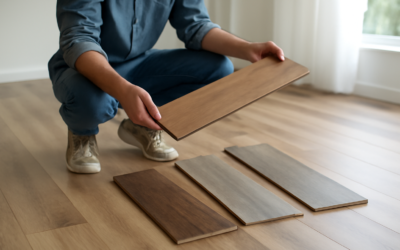
The same laminate plank that sells for $4 a square foot in a design showroom can sit on a clearance rack for under $1.50, and most buyers never know the difference. That gap is exactly why a laminate flooring outlet can be a budget renovator’s best friend, offering overstock, discontinued lines, and closeout bundles at a fraction of retail. But outlet shopping has rules. Buy without checking AC ratings, lot consistency, and quantity, and you can end up with a floor you can’t finish. This guide shows how to shop laminate outlets smart and walk away with a quality floor for far less.
- What an Outlet Actually Sells
- Real Outlet Pricing to Expect
- The AC Rating Is Your Quality Compass
- The Catch With Discontinued Lots
- What to Inspect Before You Buy
- Pros and Cons of Outlet Shopping
- Where to Find Laminate Outlets
- Don’t Forget Underlayment and Trim
- Installing Outlet Laminate Yourself
- Verifying Water Resistance
- The Bottom Line
What an Outlet Actually Sells
Laminate outlets and discount channels move product that’s perfectly good but commercially inconvenient. The inventory usually falls into a few buckets:
- Overstock: Surplus from large orders or canceled jobs. Often current-production, full-warranty product at a steep discount.
- Discontinued lines: Colors and styles a manufacturer is retiring. The floor itself is fine, but you can’t reorder later, so buy extra.
- Closeouts and end-of-run lots: Limited quantities at rock-bottom pricing, sold as-is.
- Cosmetic seconds: Boxes with minor packaging damage or slight color variance. Usable, but inspect before you commit.
Real Outlet Pricing to Expect
The savings are genuine when you shop carefully. Typical outlet pricing runs:
- Closeout and discontinued laminate: $0.69 to $1.49 per square foot
- Overstock mid-grade laminate: $1.50 to $2.50 per square foot
- Premium water-resistant laminate on clearance: $2.50 to $3.50 per square foot
Compare that to $3 to $7 per square foot at full retail and the math is compelling. A 500-square-foot living room floored in $1.29 closeout laminate costs about $645 in material, leaving plenty of budget for underlayment and trim, or for a pro to install it.
The AC Rating Is Your Quality Compass
Never buy outlet laminate without checking the AC (Abrasion Class) rating, which measures durability on a 1-to-6 scale. This single spec tells you whether a cheap floor will hold up:
- AC1 to AC2: Light residential only. Skip these for anything but a guest closet.
- AC3: The minimum for normal household traffic, including hallways and living rooms.
- AC4: Heavy residential and light commercial. Ideal for busy homes with kids and pets.
- AC5 to AC6: Commercial grade. Overkill for most homes but a bargain if priced low.
A discontinued AC4 plank at $1.49 is a far better buy than a current AC2 plank at the same price.
The Catch With Discontinued Lots
The single biggest outlet mistake is running out of flooring mid-project. Because closeout and discontinued products can’t be reordered, you must buy enough up front, including 10% extra for cuts, waste, and future repairs. Measure carefully, then add the overage. If a board cracks two years later, you’ll be glad you stashed a few spare planks in the garage.
Also confirm every box is from the same production lot or batch number. Different runs can vary slightly in color and gloss, and mixing them creates visible patches across a room.
What to Inspect Before You Buy
Outlet product is often sold as-is, so treat the inspection seriously. Open a box and check the locking edges for damage, since a chipped tongue-and-groove won’t click tight. Confirm the planks are flat, not bowed from poor storage. Look for water-resistant or waterproof ratings if you’re flooring a kitchen or basement. And verify the wear-layer finish is intact, because a scuffed surface coat won’t protect the print layer below.
Pros and Cons of Outlet Shopping
The advantages are obvious: deep discounts, access to premium lines you couldn’t otherwise afford, and the chance to floor a whole house cheaply. The trade-offs are limited quantities, no reorders, possible as-is conditions, and styles you may not love being the ones on deepest clearance. Outlet shopping rewards flexible buyers who can pounce on a good deal and have a tape measure ready.
Where to Find Laminate Outlets
Discount laminate turns up in more places than most shoppers realize. Dedicated flooring liquidators and outlet stores carry rotating closeout inventory at the steepest discounts. Big-box home centers run clearance racks for discontinued colors and returned-but-unused boxes, often tucked at the end of the flooring aisle. Online liquidation sellers and overstock marketplaces can offer the lowest per-square-foot pricing, though you’ll pay freight on heavy laminate and can’t inspect before buying. Local flooring contractors sometimes sell leftover job lots cheaply as well.
Whichever channel you use, the same discipline applies: confirm the quantity available covers your room plus overage, since outlet stock rarely gets replenished in the same color and lot.
Don’t Forget Underlayment and Trim
A great deal on planks falls apart if you forget the supporting materials. Laminate needs an underlayment, foam, cork, or an attached pad, to cushion the floor, dampen sound, and in some cases block subfloor moisture. Budget roughly $0.30 to $0.75 per square foot for quality underlayment, and add a moisture barrier over concrete. You’ll also need transition strips, quarter-round, and baseboard to finish the edges. Factor these into your outlet budget so the rock-bottom plank price doesn’t get erased by accessories you bought at full retail.
Installing Outlet Laminate Yourself
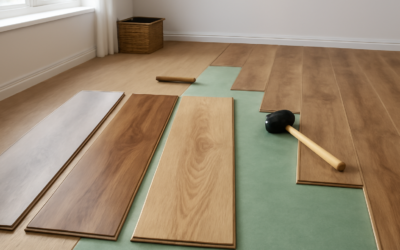
One of laminate’s biggest appeals is how DIY-friendly it is, which stacks nicely on top of outlet savings. Modern laminate uses a click-lock floating system that snaps together over an underlayment with no glue or nails, so a handy homeowner can floor a room over a weekend with a tapping block, spacers, a pull bar, and a saw. Acclimate the boxes in the room for 48 hours, leave a 1/4-inch expansion gap at the walls, and stagger the end joints by at least 8 to 12 inches for strength and a natural look. Because you’re skipping installation labor, your total project cost can drop below $2 per square foot all in.
Verifying Water Resistance
Not all laminate handles moisture the same way, and outlet bins mix old and new technology. Older closeout laminate may have no water resistance at all, while newer water-resistant and waterproof lines feature sealed edges and treated cores that survive spills for hours. If your bargain laminate is headed for a kitchen, entry, or anywhere near water, confirm the box specifies water-resistant or waterproof performance. For dry bedrooms and living rooms, standard laminate is perfectly fine and lets you chase the deepest discounts without worry.
The Bottom Line
A laminate flooring outlet is one of the best ways to cut renovation costs, but only if you shop with discipline. Check the AC rating, confirm consistent lot numbers, buy 10% extra, and inspect for edge damage before you pay. Do that, and you can install a durable, attractive AC4 laminate floor for under $1.50 a square foot, money that stays in your pocket instead of the showroom’s.
Prefer to explore on your own?
See how new flooring looks in your actual room in seconds — free, no signup.
Try the free Floor Studio →