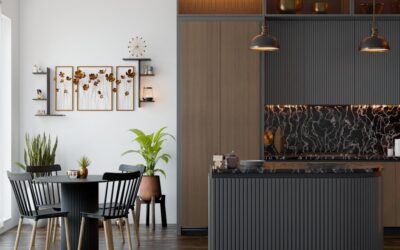
You can get the clean, modern cabinet look you see in magazines without the painted-wood price tag or the upkeep that comes with it. Laminate kitchen cabinets use a tough synthetic surface bonded to an engineered wood core, giving you durability and easy cleaning at a budget-friendly cost. They resist moisture and stains better than many painted finishes. Here is how the different types work and how to keep them looking sharp.
Part of our Kitchen Remodeling guide — explore the full guide →
What Laminate Cabinets Are
Laminate cabinets have a substrate, usually MDF or particleboard, wrapped in a decorative surface layer. That surface can mimic wood grain, solid colors, or high-gloss finishes. Because the look is printed and sealed rather than painted, it does not chip the way brushed paint can, and it resists the everyday scuffs of a working kitchen.
The result is a finish that holds up to splashes, fingerprints, and cleaning without losing its appearance, which makes laminate a practical choice for busy households.
Thermofoil vs High-Pressure Laminate
Two laminate types dominate kitchen cabinetry, and they behave differently:
- Thermofoil: A vinyl film vacuum-sealed over an MDF door. It produces seamless, easy-clean doors in solid colors and is very affordable. Its weakness is heat, since high temperatures from ovens or nearby appliances can cause peeling over time.
- High-pressure laminate, or HPL: Multiple resin-soaked layers fused under heat and pressure, then bonded to the substrate. It is tougher, more heat tolerant, and offers a wider range of patterns, at a somewhat higher cost.
For cabinets next to a wall oven or range, HPL is the safer long-term pick. For a tight budget in a lower-heat zone, thermofoil delivers a clean look for less.
Cost Expectations
Laminate is among the most affordable cabinet finishes. As a general range, laminate kitchen cabinets often run $4,000 to $10,000 for a typical kitchen installed, compared to solid wood that can climb well past that. Stock and semi-custom laminate lines keep costs low, while custom colors and high-gloss finishes push toward the upper end. Per linear foot, laminate cabinetry frequently falls below comparable wood, which is why it is a favorite for rental updates and value-focused remodels.
Pros and Cons
Weigh the trade-offs before you commit:
- Pros: Affordable, easy to clean, resists stains and moisture, consistent color, wide style range.
- Cons: Edges or films can peel or delaminate if damaged, harder to repair than wood, and damage usually means replacing the whole door.
The peeling risk is real but largely preventable with proper care and heat management, which we cover next.
Cleaning and Daily Care
Laminate is forgiving, but a few habits extend its life:
- Wipe spills and grease with a soft cloth and warm water with a little mild dish soap.
- Avoid abrasive scrubbers, scouring powders, and harsh solvents that can dull or scratch the surface.
- Dry surfaces after cleaning so water does not seep into seams or edges.
- Skip melamine eraser sponges on glossy finishes, since they can micro-scratch the sheen.
For sticky buildup near the stove, a damp cloth with a touch of vinegar diluted in water cuts grease without damaging the film.
Preventing Peeling and Damage
Heat and trapped moisture are the main enemies of laminate doors. Keep a buffer between cabinets and heat sources, use the range vent when cooking, and never leave a kettle or appliance venting steam directly at a cabinet face. If a thermofoil edge starts to lift, a specialized adhesive can sometimes re-bond it, but catching it early matters. Address any water leaks under the sink quickly, since saturated MDF swells and ruins the door.
Style and Color Options
One reason laminate keeps gaining ground is the sheer range of looks available. Modern printing reproduces convincing wood grains, from light oak to deep walnut, alongside solid matte colors and high-gloss finishes that suit contemporary kitchens. Textured laminates add a tactile grain you can feel, not just see. Because the color is consistent across every door, you avoid the slight variation that can appear between stained wood pieces. That uniformity gives laminate kitchens a clean, cohesive appearance.
Can You Refinish or Update Them?
Unlike wood, laminate cannot be sanded and restained, since the surface is a printed or filmed layer rather than solid material. If you want a new look, your options are to replace the doors, apply a specialty cabinet refinishing system designed for laminate, or reface the boxes. Some homeowners successfully paint laminate cabinets using a bonding primer and durable cabinet paint, though proper prep is essential for the finish to adhere. Manage your expectations: laminate trades the refinishability of wood for its lower cost and easy upkeep.
Hardware and Small Upgrades
If your laminate cabinets are sound but dated, you can refresh them without a full replacement. Swapping tired pulls and knobs for modern hardware makes an immediate difference for very little money. Soft-close hinge upgrades and drawer slides improve daily function. Adding under-cabinet lighting or a new backsplash above them shifts the whole kitchen’s feel. These small, affordable changes stretch the life of laminate cabinetry and let you modernize on a budget.
How Long Laminate Cabinets Last
With reasonable care, quality laminate cabinets commonly last well over a decade, and high-pressure laminate can go longer. Lifespan depends mostly on the construction quality, the substrate, and how well you protect them from heat and trapped moisture. The doors and finish usually outlast the hardware, so expect to refresh hinges, slides, and pulls before the cabinets themselves wear out. The most common end-of-life issue is delamination at edges or near heat sources rather than general wear, which is why heat management and prompt leak repairs matter so much for longevity.
Are They Right for Your Kitchen?
Laminate kitchen cabinets make sense when you want a clean, contemporary look on a realistic budget and value low maintenance over the repairability of wood. They are excellent for rentals, first homes, and high-use family kitchens. If you want to refinish or stain cabinets down the road, solid wood gives more flexibility. But for most homeowners chasing style, durability, and value in one package, laminate is a smart and lasting choice.
Prefer to explore on your own?
See how new flooring looks in your actual room in seconds — free, no signup.
Try the free Floor Studio →