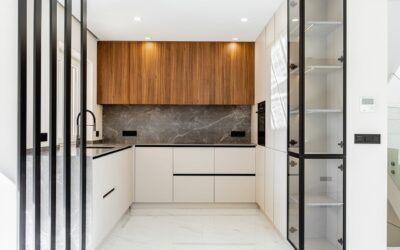
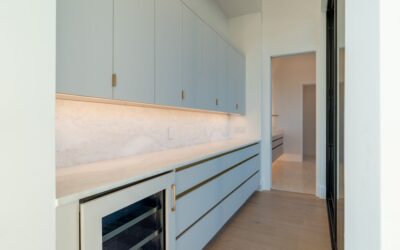
White has topped the kitchen color charts for over a decade, and there is a practical reason beyond fashion: it reflects light, makes small kitchens feel larger, and pairs with any countertop or backsplash you will ever want to install. White kitchen cabinet doors are the single most versatile choice in the room, but “white” hides a surprising number of decisions, door style, material, sheen, and undertone, that determine whether the result looks crisp and custom or flat and dated. Choosing the right white kitchen cabinet doors comes down to understanding those options, and this guide covers all of them.
Part of our Kitchen Remodeling guide — explore the full guide →
Why White Cabinet Doors Endure
Trends come and go, but white has staying power for concrete reasons. It bounces natural and artificial light around the room, which visually enlarges tight galley kitchens. It provides a neutral backdrop, so you can change your wall color, hardware, or countertop later without the cabinets fighting the new look. And it appeals to the broadest pool of buyers, which matters for resale. A white kitchen rarely looks wrong; it just needs the right supporting details.
The Main Door Styles
Shaker
The five-piece flat-panel Shaker door is the runaway favorite. Its clean recessed center panel and simple square frame suit everything from farmhouse to transitional to modern. Shaker doors in white are the safest, most timeless choice and pair beautifully with both brushed brass and matte black hardware.
Slab (Flat)
A completely flat, frameless slab door reads modern and minimalist. In a high-gloss or matte white, slab doors give a sleek, European look and are the easiest style to wipe clean since there are no grooves to catch grease. Best for contemporary kitchens.
Raised Panel
A raised center panel with detailed edge profiles feels more traditional and formal. In white it can look elegant in a classic kitchen, though the extra grooves collect more dust and cooking grime than a flat door.
Beadboard and Inset
Beadboard center panels add cottage or coastal charm, while true inset doors, which sit flush within the cabinet face rather than overlaying it, deliver a high-end, furniture-grade look at a premium price.
Material Matters: Paint, Thermofoil, and Laminate
Not all white doors are made the same way, and the material drives both durability and cost.
- Painted wood or MDF: the gold standard for a rich, deep finish. MDF is actually preferred for painted doors because it has no grain and will not telegraph seams the way solid wood can as it expands. A factory-sprayed and baked finish resists chips far better than a brushed-on job.
- Thermofoil: a vinyl layer heat-pressed over an MDF core, giving a seamless, easy-to-clean white surface at a lower price. Excellent value, but it can be vulnerable to peeling near high heat sources like ovens if not properly ventilated.
- Laminate and melamine: durable, budget-friendly, and very stain-resistant, common on modern slab doors.
Choosing the Right White
Here is the detail most people overlook: white is not one color. Undertone changes everything. A pure, bright white can look stark and cold under some lighting, while a warm white with a hint of cream or greige feels softer and cozier. Cool whites suit modern, high-contrast kitchens with black or gray accents; warm whites flatter traditional spaces with wood floors and brass. Always test a door sample in your own kitchen under both daylight and your evening lights before committing, because the same white can look completely different across the room.
Sheen matters too. A satin or semi-gloss finish is standard because it wipes clean easily and resists moisture, the right call for a kitchen. Flat and matte whites look sophisticated but show fingerprints and are harder to scrub in a high-traffic cooking zone.
Hardware and Contrast
White doors are a blank canvas, so the hardware carries the personality. Popular pairings include:
- Brushed brass or gold for warmth and a touch of luxury.
- Matte black for crisp, modern contrast.
- Polished chrome or brushed nickel for a clean, classic look.
Many homeowners now pair white uppers with a contrasting lower cabinet color, navy, sage green, or a wood tone, for a two-tone kitchen that keeps the brightness up top while grounding the room below.
What It Costs
Cost depends heavily on whether you replace just the doors or the whole cabinet, and on the material.
- Refacing (new doors and drawer fronts over existing boxes): $4,000 to $10,000 for an average kitchen.
- Replacement doors only, per door: $30 to $60 for thermofoil, $50 to $150 for painted wood or MDF.
- Full custom white cabinets: $15,000 to $30,000-plus installed.
- Repainting existing doors yourself: $200 to $600 in materials for a weekend project.
If your cabinet boxes are sound, swapping just the doors or repainting them delivers a dramatic transformation for a fraction of full replacement.
Keeping White Doors Clean
The knock against white is that it shows everything, but that is easy to manage. Wipe doors with a soft cloth and a mild dish-soap solution weekly, paying attention to the areas around handles where finger oils build up. For grease near the stove, a solution of warm water and a little vinegar cuts through film without harming the finish. Avoid abrasive scrubbers and harsh chemicals that can dull or yellow the surface over time. Address spills and splatters promptly and white doors stay bright for years. Over the very long term, a painted white finish may need a refresh, but a quality factory finish holds up remarkably well.
Common Mistakes to Avoid
Picking the white from a tiny paint chip instead of a full-size sample in your own light leads to regret. Choosing a flat sheen in a busy family kitchen makes cleaning a chore. Ignoring undertones results in cabinets that clash with a warm-toned floor or a cool countertop. And skimping on hinges and slides undercuts an otherwise beautiful door; soft-close hardware is worth the small upcharge.
Repainting vs. Replacing Your Doors
If your existing cabinet boxes are structurally sound, you have two budget-friendly paths to white doors: repaint the ones you have, or replace just the doors and drawer fronts. Repainting is the cheapest route, roughly $200 to $600 in materials for a full kitchen, and it can look excellent if you do it right. Success hinges on prep: clean every surface to remove grease, sand to give the new finish something to grip, prime with a quality bonding primer, and apply thin coats of a durable cabinet-grade paint. Spraying gives the smoothest result, but a fine foam roller and a good brush can produce a clean finish with patience.
Replacing just the doors, sometimes paired with new drawer fronts and a matching veneer over the boxes in a refacing job, costs more but gives you a brand-new door style and material. This is the way to go if your current doors are a dated raised-panel style and you want crisp Shaker fronts, or if the existing doors are damaged. Both approaches leave your cabinet layout and boxes intact, saving thousands compared to a full tear-out. Choose repainting when the door style already suits you and you just want a fresh white finish, and choose replacement when you want to change the style itself.
Trends and Timeless Choices
White cabinets have proven remarkably trend-resistant, but a few current directions are worth noting. Warm whites with soft cream or greige undertones have gained ground over stark bright whites, giving kitchens a cozier, more inviting feel that pairs well with wood floors and natural materials. Two-tone kitchens, white uppers over a colored or wood-tone island and lower run, remain popular and let you keep the brightness up high while grounding the room. Mixed-metal hardware, such as brass pulls with black faucets, adds personality against the neutral canvas.
If resale is on your mind, the safest bets are a classic Shaker door in a versatile warm-to-neutral white, a durable satin or semi-gloss finish, and simple, quality hardware. These choices appeal to the widest range of buyers and are unlikely to read as dated in a few years. Reserve bolder moves, high-gloss slab doors, dramatic two-tone contrasts, for kitchens you plan to enjoy yourself for a good while. Either way, white gives you the flexibility to update the surrounding wall color, backsplash, and hardware down the road without touching the cabinets, which is exactly why it has stayed on top for so long.
The Bottom Line
White kitchen cabinet doors remain the most flexible, light-enhancing, resale-friendly choice you can make in a kitchen, but the magic is in the details. Choose a timeless door style like Shaker, pick a durable painted-MDF or thermofoil material, test your specific white under real lighting to nail the undertone, and finish with hardware that sets the mood. Do that, and you get a bright, clean kitchen that will still look right a decade from now.