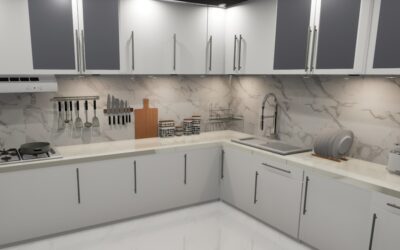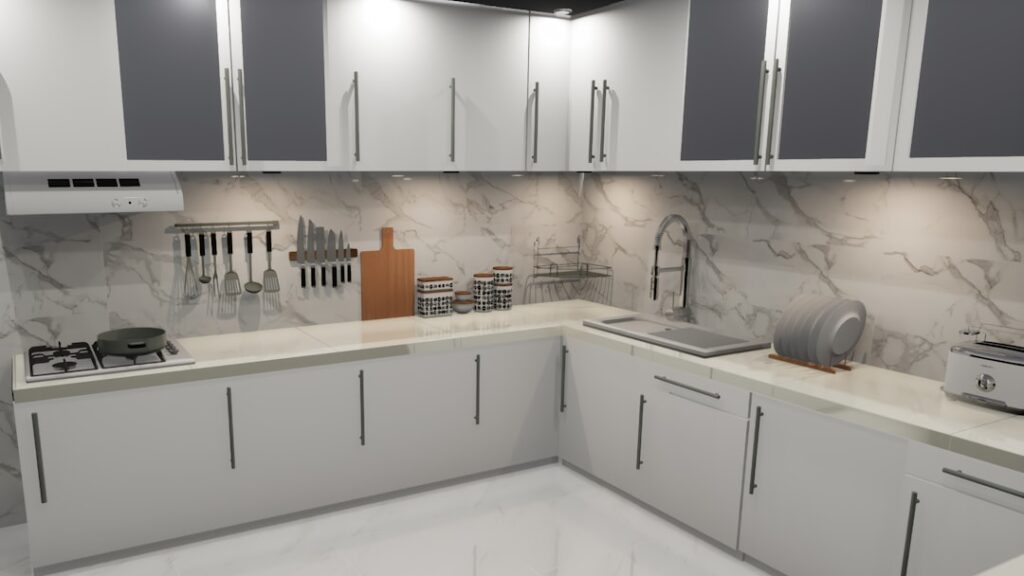
There is a reason designers keep coming back to it: a well-executed white kitchen remodel brightens a space, makes it feel larger, and appeals to nearly every buyer when it comes time to sell. White reflects light, pairs with any accent color, and never truly goes out of style. But pulling off an all-white kitchen that looks crisp rather than sterile takes more than painting the cabinets and calling it done. The right mix of materials, textures, and warm touches separates a magazine-worthy result from a flat, clinical box. Here is how to plan a white kitchen that works for real life.
Part of our Kitchen Remodeling guide — explore the full guide →
Why White Kitchens Endure
White has stayed at the top of kitchen design for decades because it solves several problems at once. It bounces natural and artificial light around the room, which makes even a small or north-facing kitchen feel open and airy. It offers a neutral backdrop that lets you swap accent colors, hardware, and decor over the years without redoing the whole space. And from a resale standpoint, a clean white kitchen photographs beautifully and reads as fresh to the broadest range of buyers.
The flexibility is the real selling point. Today’s white kitchen can lean modern with flat-panel cabinets, classic with Shaker doors, or farmhouse with an apron sink, all built on the same versatile foundation.
Choosing the Right Shade of White
Not all whites are equal, and the wrong undertone can make the whole room feel cold or dingy. Whites range from cool, blue-tinged tones to warm, creamy shades with yellow or beige undertones. The right choice depends on your lighting. A kitchen with abundant natural light can handle a crisp, cooler white, while a darker room usually looks better with a warmer white that adds coziness.
Always test paint and cabinet samples in your actual kitchen at different times of day before committing. A white that looks perfect in the store can turn gray or yellow under your specific lighting. Bring home large swatches and live with them for a few days.
Cabinet Options and Styles
Cabinets define the kitchen, and white opens up plenty of style directions. The door profile sets the tone more than anything else.
Popular white cabinet styles include:
- Shaker: the timeless choice, with clean recessed panels that suit any home
- Flat-panel (slab): sleek and modern, ideal for contemporary kitchens
- Beadboard or paneled: for cottage and farmhouse looks
- Glass-front uppers: to break up a wall of white and display dishware
If a fully white kitchen feels like too much, consider a two-tone approach: white uppers with a contrasting island or lower cabinets in navy, sage, or natural wood. This adds depth while keeping the bright, airy feel.
Countertops That Complement White
Countertops are where you decide how much contrast and texture the kitchen will have. White or light-veined quartz keeps the look seamless and bright, with brands offering marble-look patterns that resist staining better than real marble. For contrast, a darker counter such as charcoal granite, soapstone, or a deep quartz grounds the room and hides everyday wear.
Butcher block adds warmth and a natural element that softens all the white, popular in farmhouse designs. Whatever you choose, factor in maintenance: nonporous quartz needs no sealing, while marble and wood require more care. Expect countertops to run a wide range, roughly $40 to $120 per square foot installed depending on material.
Backsplash and Texture
The backsplash is your chance to add personality and keep an all-white kitchen from feeling flat. A classic white subway tile keeps things clean and bright, especially with a contrasting grout that adds subtle definition. For more interest, consider a textured zellige tile, a herringbone layout, or a marble-look slab backsplash that runs to the ceiling.
Texture is what saves white kitchens from looking sterile. Mix in materials like a fluted island base, a natural wood shelf, woven pendant lights, or stone with visible veining. Layering different finishes and surfaces creates warmth and depth even when the palette stays light.
Hardware, Fixtures, and Accents
Small details carry a lot of weight in a white kitchen because they stand out against the neutral background. Cabinet hardware in brushed brass, matte black, or aged bronze adds a warm or bold accent. Faucets and lighting fixtures follow the same logic; a single warm metal finish repeated across the room ties everything together.
Bring in color and life through the easy-to-change elements: bar stools, a runner rug, open-shelf styling, and greenery. Because the base is neutral, you can refresh the entire feel of the kitchen later just by changing these accents, which is one of white’s biggest practical advantages.
Budgeting Your White Kitchen Remodel
Costs vary enormously based on scope, but it helps to know the ranges. A cosmetic refresh, such as painting existing cabinets, swapping hardware, and updating the backsplash, might run $3,000 to $8,000. A mid-range remodel with new cabinets, quartz countertops, and updated appliances commonly lands between $20,000 and $50,000. A full high-end gut renovation with custom cabinetry and premium finishes can exceed $75,000.
To stretch your budget, prioritize the elements that drive the most impact: cabinet fronts, countertops, and lighting. Repainting solid existing cabinets instead of replacing them is the single biggest money-saver, often cutting thousands while still delivering that bright white transformation.
Keeping a White Kitchen Clean
The most common worry about white kitchens is that they show every smudge. In practice, white hides crumbs and dust better than dark surfaces, but it does reveal grease and stains on cabinet fronts near the stove. Choose a durable, washable finish such as a satin or semi-gloss paint or a quality factory-finished cabinet that wipes clean easily.
For countertops and backsplashes, nonporous quartz and glazed tile resist staining and wipe down in seconds. A quick daily wipe of high-touch areas keeps the whole kitchen looking pristine. With sensible material choices, a white kitchen is no harder to maintain than any other, and the bright, timeless result is well worth the small extra attention.
A thoughtful white kitchen remodel delivers light, space, and lasting appeal that few other designs match. Focus on the right shade of white, layer in texture and warm accents, and choose durable, low-maintenance materials, and you will end up with a kitchen that feels fresh today and still looks current a decade from now.