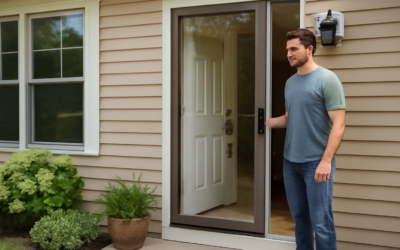
A good storm door does quiet, everyday work: it lets a breeze through in spring, blocks driving rain in fall, and adds a layer of insulation that trims your heating bill all winter. The Larson Tradewinds storm door sits in the sweet spot of Larson’s lineup, offering full-view glass, a retractable or interchangeable screen, and solid build quality without the premium price of the top-tier models. If you are weighing whether this door belongs on your front entry, this guide breaks down its features, options, sizing, and what to expect from installation.
Part of our Windows & Doors guide — explore the full guide →
- Where the Tradewinds Fits in Larson's Lineup
- Key Features of the Tradewinds Storm Door
- Glass and Screen Options
- Measuring for the Right Size
- Installation: DIY or Hire It Out?
- Living With the Tradewinds: Pros and Cons
- Maintenance Tips for a Long Life
- Energy Savings and Comfort
- Comparing the Tradewinds to Other Larson Series
- Is the Tradewinds Right for You?
Where the Tradewinds Fits in Larson’s Lineup
Larson is one of the largest storm door manufacturers in the United States, sold widely through Home Depot, Menards, and independent dealers. Its catalog runs from budget builder-grade doors up to heavy-duty and designer models. The Tradewinds series lands in the mid-range, aimed at homeowners who want the airy look of full-view glass and the convenience of a built-in screen without stepping up to the pricier signature collections. Expect the Tradewinds to run roughly $250 to $400 depending on size, glass style, and where you buy it, before installation.
Key Features of the Tradewinds Storm Door
The Tradewinds earns its place with a handful of practical features that matter in daily use:
- Full-view or interchangeable glass: Many Tradewinds configurations let you swap glass panels for a screen seasonally, or use a retractable screen system depending on the model.
- Reinforced frame: An aluminum frame over a wood or composite core resists warping and stands up to daily slamming better than hollow builders’ doors.
- Durable finish: A baked-on paint finish resists chalking and fading, available in classic colors like white, sandstone, black, and bronze.
- Mid-rail or full-view styling: Choose a clean full-view look or a version with a mid-rail for added rigidity and a more traditional appearance.
- Included hardware: A color-matched handle set and a hydraulic closer come standard.
Glass and Screen Options
The glass-and-screen system is the heart of any storm door, and it determines how you will actually live with the Tradewinds. Larson offers a few approaches across the series. Interchangeable models let you physically remove the glass panel and install a screen when the weather warms, storing the off-season panel in a closet or garage. Retractable screen versions hide the screen in the top rail and pull it down only when you open the glass, so you never store a loose panel. Both keep bugs out while letting fresh air in, but the retractable design is more convenient because there is nothing to swap or store.
Low-E glass upgrades are worth considering if the door faces strong afternoon sun. The coating reflects heat, protects your entry door’s finish from UV fading, and improves the door’s insulating value.
Measuring for the Right Size
Storm doors come in standard sizes, but accurate measurement prevents a frustrating return. Most Tradewinds doors fit standard 32-, 34-, and 36-inch openings and are typically reversible for left- or right-hand hinging. To measure correctly:
- Measure the width of the door opening at the top, middle, and bottom, using the narrowest measurement.
- Measure the height from the sill to the top of the opening on both sides.
- Confirm the door frame is deep enough to mount the storm door’s Z-bar bracket, usually needing about one inch of flat surface.
- Decide which side you want the handle on, then set the hinge side accordingly during installation.
If your opening falls outside standard dimensions, Larson offers a build-your-own program, though the stock Tradewinds sizes fit the vast majority of American homes.
Installation: DIY or Hire It Out?
A handy homeowner can install a Tradewinds storm door in two to three hours with common tools. The kit includes a Z-bar hinge rail, closer, sweep, and hardware, along with printed instructions. The general process runs like this:
- Attach the hinge-side Z-bar to the door, then hang the door in the opening and level it.
- Screw the hinge rail to the frame, checking for even reveal along the top and latch side.
- Install the latch-side Z-bar and the top expander, trimming to fit the exact opening height.
- Mount the closer and safety chain so the door does not fly open in the wind.
- Attach the bottom sweep so it seals against the sill without dragging.
The one tricky part is getting the door square in an opening that may not be perfectly plumb, common in older homes. If your entry is out of square or you are uneasy with the closer adjustment, a handyman or the store’s install service runs $100 to $200 and guarantees a clean fit.
Living With the Tradewinds: Pros and Cons
No door is perfect for every home. Here is an honest look at the trade-offs:
- Pros: Attractive full-view glass, convenient screen options, solid mid-range durability, wide color and size availability, and a reasonable price.
- Cons: Full-view glass shows fingerprints and needs regular cleaning, the mid-range frame is not as heavy as Larson’s top-tier storm doors, and retractable screens require occasional cleaning of the roller track.
For most families, the convenience and looks outweigh the minor upkeep. A full-view door in a busy household simply needs a wipe-down more often than a solid-panel design.
Maintenance Tips for a Long Life
A Larson Tradewinds storm door rewards a little seasonal care. Clean the glass with a standard glass cleaner and wipe the frame with mild soap and water, avoiding abrasive pads that scratch the finish. Lubricate the closer and hinges once a year with a dry silicone spray, and clear leaves and grit from the bottom sweep and any retractable screen track. Check the closer tension in fall and spring, since cold weather can make hydraulic closers move sluggishly. Tighten the handle set screws if the latch develops play.
Energy Savings and Comfort
Beyond looks, a storm door earns its keep by improving comfort and trimming energy costs. The Tradewinds adds an insulating air gap between the storm door and your entry door, which slows heat loss in winter and heat gain in summer. That buffer also blocks drafts around an older entry door and shields it from driving rain and blowing snow. On a cold, windy day the difference is tangible; the entry feels less drafty and the room just inside the door stays more comfortable.
The screen function delivers the flip side of that benefit in mild weather. Opening the glass and letting the screen do the work pulls fresh air through the house without inviting insects, which can cut air-conditioning use on pleasant spring and fall days. For homeowners who like to air out the house, that natural ventilation is one of the most-used features of the door. A Low-E glass upgrade further reduces solar heat gain and protects your entry door’s finish from fading, adding to the comfort payoff over the door’s life.
Comparing the Tradewinds to Other Larson Series
It helps to see where the Tradewinds sits against its neighbors in the lineup. Below it, Larson’s builder-grade and value series offer lighter frames and fewer glass options at a lower price, suitable for a rental or a low-traffic side door. Above it, the signature and heavy-duty collections bring thicker frames, tougher hardware, laminated security glass, and more designer finishes, at a meaningfully higher cost.
The Tradewinds carves out the practical middle. You get full-view styling and a real screen system, a reinforced frame that resists warping, and a baked-on finish that holds up outdoors, all without paying for the premium extras that not every home needs. For a main entry on a typical suburban house, that balance is exactly why the series sells well. If your door faces extreme weather, heavy use, or a security concern, stepping up a tier makes sense; for most front and side entries, the Tradewinds hits the value sweet spot.
Is the Tradewinds Right for You?
The Tradewinds makes the most sense for homeowners who want the bright, open look of full-view glass, value the flexibility of a screen for airflow, and prefer a mid-priced door backed by a major manufacturer’s warranty. If you need maximum security or extreme durability, Larson’s heavier collections may serve better, and if budget is the only concern, an entry-level model will cost less. But for the broad middle of the market, the Larson Tradewinds storm door delivers a strong balance of style, function, and value that suits most front and side entries beautifully.