Choosing the right LED light switch is the key to flicker-free, smooth-dimming, energy-efficient lighting throughout your home. As nearly every household has replaced incandescent bulbs with LEDs, the old switches and dimmers designed for hot filament bulbs simply can’t keep up—leading to buzzing, flickering, and limited dimming range. This guide explains the different types of LED-compatible switches, how dimmer compatibility works, wiring requirements including no-neutral options, and how to install one yourself for lighting that behaves exactly the way you expect.
- Why LEDs Need the Right Switch
- Types of LED Light Switches
- Understanding LED Dimmer Compatibility
- Reading the Load Rating
- Wiring Requirements and the Neutral Question
- Single-Pole vs Three-Way Switches
- Installation Step by Step
- Smart LED Switches and Home Integration
- Cost Breakdown
- Troubleshooting Common Problems
- Leading-Edge vs Trailing-Edge Dimmers
- Switch Styles and Finishes
- Energy Savings With LED Dimmers
- Final Thoughts
Why LEDs Need the Right Switch
Traditional dimmers were engineered for incandescent bulbs, which draw a lot of power and dim predictably. LED bulbs use a fraction of that power and rely on internal drivers, so an old dimmer often can’t sense enough load to operate correctly. The result is flickering at low settings, buzzing, a narrow dimming range, or lamps that won’t shut fully off. An LED-rated switch or dimmer is designed to handle these low-wattage loads and communicate properly with the bulb’s driver circuitry.
Types of LED Light Switches
There are several categories to choose from depending on the control you want:
- Standard on/off switches: Simple toggle or rocker switches that work with any LED bulb—no compatibility concerns since they don’t dim.
- LED dimmer switches: Specifically rated for dimmable LED bulbs, offering smooth brightness control without flicker.
- Smart LED switches: Wi-Fi or hub-connected switches that add scheduling, app control, and voice commands.
- Motion and occupancy LED switches: Combine automatic sensing with LED-compatible circuitry.
- Multi-location (three-way and four-way): Control the same LED fixture from two or more switches.
Understanding LED Dimmer Compatibility
Dimmer compatibility is the single biggest source of frustration with LED lighting. Two things must match:
- The bulb must be labeled “dimmable.” Non-dimmable LEDs will flicker or fail on any dimmer.
- The dimmer type must match the bulb’s driver. Most residential LED dimmers use TRIAC (leading-edge) or ELV (trailing-edge) technology. Trailing-edge dimmers generally give smoother, quieter LED performance.
Reputable manufacturers like Lutron and Leviton publish compatibility charts listing which bulbs work with each dimmer model. Before buying, check that your specific bulb brand appears on the dimmer’s list. Also note the dimmer’s minimum and maximum LED load—many are rated for something like 5 to 150 watts of LED, and running fewer bulbs than the minimum can cause flicker.
Reading the Load Rating
LED dimmers list a lower LED wattage capacity than their incandescent rating. A dimmer might handle 600 watts of incandescent but only 150 watts of LED. To calculate your load, add up the actual wattage of all bulbs on the circuit—for example, five 9-watt LED bulbs equal just 45 watts, comfortably within range. Overloading a dimmer causes overheating; running too few bulbs causes flicker at the low end.
Wiring Requirements and the Neutral Question
Before you buy, open your switch box and look for a neutral wire:
- Neutral-required switches: Most smart LED switches need a neutral (white) wire to power their electronics. Homes wired since the mid-2000s usually have one bundled in the box.
- No-neutral switches: If your box lacks a neutral, choose a dimmer specifically designed to work without one. Lutron Caseta and several others offer no-neutral smart dimmers.
- Line and load: The line brings power from the panel; the load feeds the fixture. Correct orientation matters for proper dimming.
- Ground: Always connect the green or bare copper ground per National Electrical Code.
Single-Pole vs Three-Way Switches
Determine how many switches currently control your light. A single-pole switch controls the light from one location. A three-way setup controls it from two locations—for example, both ends of a hallway. If you’re replacing a three-way switch, you need a three-way-rated LED dimmer, and often a matching companion or “add-on” switch. Mixing incompatible switches in a multi-location circuit is a common cause of dimming problems.
Installation Step by Step
Installing an LED dimmer is a manageable DIY task:
- Turn off the breaker feeding the switch and confirm it’s dead with a non-contact voltage tester.
- Remove the cover plate and mounting screws, then pull the old switch out.
- Note and label the wires—line, load, neutral if present, ground, and any traveler wires for three-way circuits.
- Connect the new dimmer’s leads to match: line to line, load to load, neutral to the white bundle, ground to ground, travelers to their terminals.
- Carefully fold wires back, screw the dimmer to the box, and install the cover plate.
- Restore power and test dimming from full bright to lowest setting, watching for flicker or buzz.
If your box is crowded, you find aluminum wiring, or you’re unsure about traveler wires, hire a licensed electrician. Installation typically runs $75 to $150 per switch.
Smart LED Switches and Home Integration
Smart LED switches add convenience beyond simple dimming. With a compatible system you can schedule lights, set scenes, dim by voice through Alexa or Google Home, and control everything remotely from your phone. Some hub-based systems like Lutron Caseta are prized for reliability and broad bulb compatibility, while Wi-Fi switches from Kasa, GE Cync, and others skip the hub entirely. Confirm whether the switch needs a neutral and whether it works with your preferred voice assistant before buying.
Cost Breakdown
LED switches fit almost any budget:
- Standard on/off LED-compatible switch: $3 to $10.
- Quality LED dimmer: $20 to $40 for Lutron and Leviton models.
- No-neutral smart dimmer: $50 to $70.
- Smart Wi-Fi LED switch: $25 to $50.
- Three-way companion switch: $20 to $35 extra.
Troubleshooting Common Problems
If your LED switch misbehaves:
- Flicker at low brightness: The dimmer’s minimum load isn’t met—add a bulb or use the manufacturer’s compatibility chart to pick a better bulb.
- Buzzing: Try a trailing-edge (ELV) dimmer instead of leading-edge, or switch bulb brands.
- Bulbs glow when off: Usually a no-neutral dimmer leaking current; install the supplied compatibility device.
- Limited dimming range: The bulb and dimmer aren’t well matched—consult the compatibility list.
Leading-Edge vs Trailing-Edge Dimmers
The two dimming technologies deserve a closer look because picking the right one solves most LED problems:
- Leading-edge (TRIAC): The older, cheaper technology originally built for incandescent and magnetic transformers. It’s compatible with many bulbs but can cause buzz and flicker with sensitive LED drivers, and it needs a higher minimum load.
- Trailing-edge (ELV): Newer electronic dimming designed for low-wattage electronic loads like LEDs. It generally delivers smoother, quieter dimming down to very low levels and handles small LED loads better.
If you have flexibility, a trailing-edge dimmer paired with quality dimmable LEDs is the most reliable combination for flicker-free performance.
Switch Styles and Finishes
Beyond the electronics, LED switches come in styles to match your decor:
- Toggle: The classic flip lever, available in LED-compatible on/off versions.
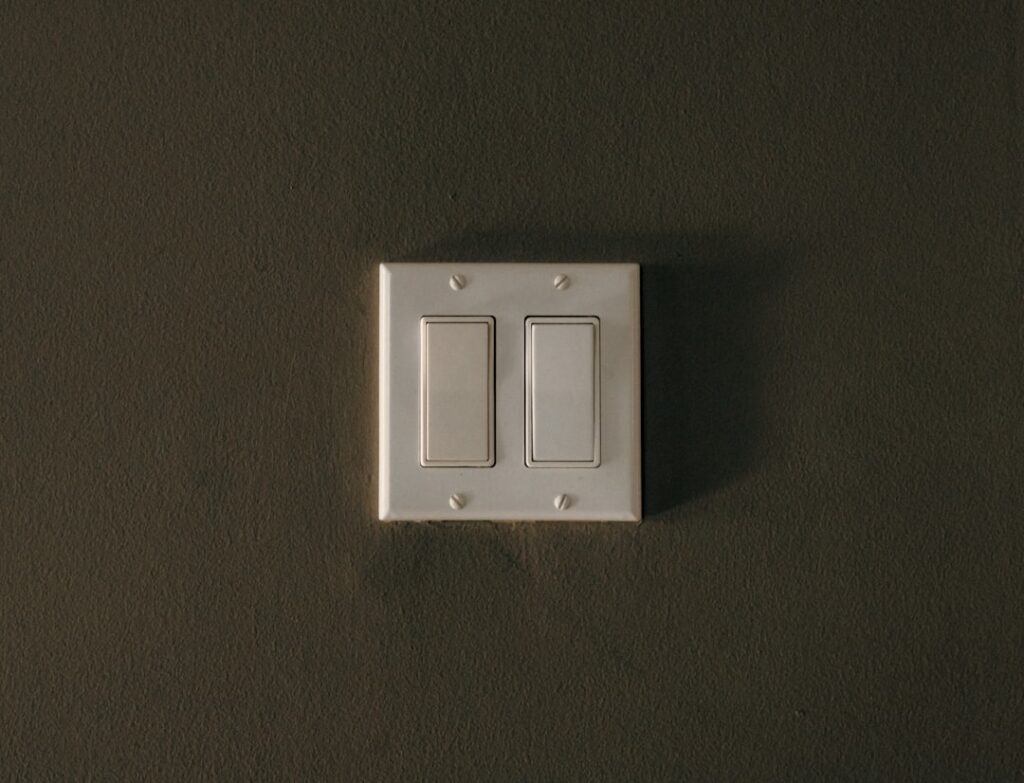
- Decora rocker: The flat, wide paddle that’s become the modern standard and pairs with slide or tap dimmers.
- Slide dimmers: A vertical slider sets brightness, sometimes with a separate on/off switch.
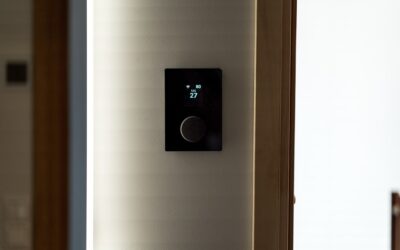
- Rotary dimmers: A knob you turn and push, common in traditional settings.
- Touch and tap: Smart switches that respond to a tap for on/off and a hold for dimming.
Match the switch color—white, ivory, light almond, black—to your existing devices and cover plates for a consistent look throughout the room.
Energy Savings With LED Dimmers
Dimming LEDs doesn’t just set the mood—it saves energy and extends bulb life. Running an LED at a lower brightness reduces its power draw and heat, which is the primary factor in how long the bulb lasts. Combined with the inherent efficiency of LEDs, a dimmed circuit uses a fraction of the electricity of the old incandescent setups it replaced. Over the years, the small premium you pay for a quality LED dimmer is easily recovered through lower energy bills and fewer bulb replacements, making it a smart upgrade beyond the obvious comfort benefits.
Final Thoughts
An LED light switch tailored to your bulbs is the difference between smooth, quiet, full-range dimming and constant flicker and buzz. The essentials are simple: use dimmable LED bulbs, match the dimmer type to the bulb, stay within the LED load rating, and confirm whether your box has a neutral wire before choosing a smart model. Get those factors right and you’ll enjoy energy-efficient lighting that dims beautifully and lasts for years, with the option to add smart control whenever you’re ready.