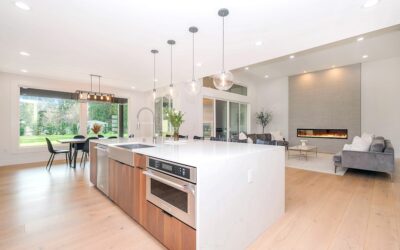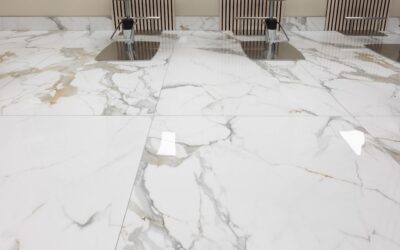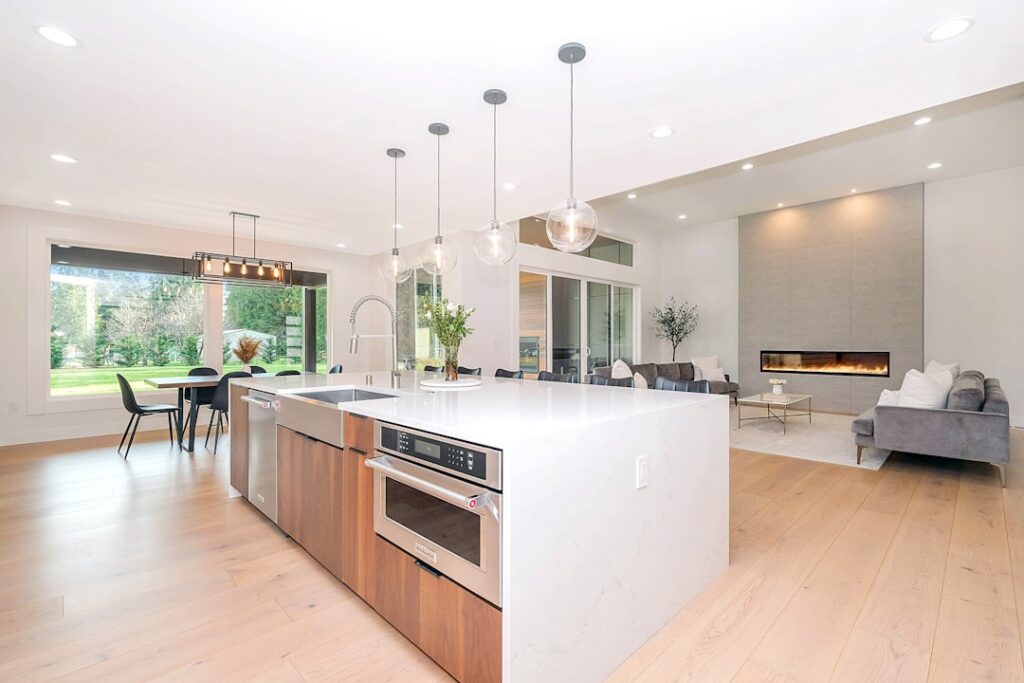
White quartz gets the magazine spreads, but stone yards quietly sell acres of pale granite to homeowners who want the same bright kitchen with more personality and, often, a smaller invoice. Light colored granite countertops span true whites, creams, soft grays, and warm beiges, each slab a one-of-a-kind mineral pattern that manufactured quartz can only imitate. Light granite bounces daylight around small kitchens, pairs with every cabinet color currently in fashion, and hides crumbs and water spots better than dark polished stone. It does ask one thing of you, an occasional coat of sealer, and this guide covers the colors, costs, and care that come with it.
Part of our Countertops guide — explore the full guide →
Why Go Light: The Practical Case
Color choice in granite is not just aesthetics. Dark polished granite shows fingerprints, water spots, and dust the way a black car shows pollen; light granite conceals them. Pale surfaces also reflect substantially more light, which matters in galley kitchens and north-facing rooms where every lumen counts. Resale is the quiet third argument: light neutral counters photograph well and offend nobody, which is why builders and flippers default to them.
Temperature stability, hardness, and heat tolerance are identical across granite colors; a white granite takes a hot pan as calmly as a black one. The one genuine trade-off is that lighter stones tend to be slightly more porous than the densest dark granites, which is why sealing discipline matters more with a cream-colored slab than with an absolute black one.
Popular Light Granite Colors to Know
- Alaska White: icy white background with silver-gray flecks and occasional smoky veining. The go-to for shaker-white kitchens that want sparkle.
- Colonial White: soft white-gray field peppered with burgundy and black garnet specks; reads nearly solid from across the room.
- River White: white to pale gray with thin gray veins and small deep-red garnets, one of the most affordable whites at many yards.
- Moon White: shimmering white-gray with tight, consistent patterning, good when you want calm rather than drama.
- New Caledonia: light gray with fine salt-and-pepper texture, the classic pairing for stainless appliances.
- Giallo Ornamental: cream and gold with soft brown movement, the warm option for wood-tone cabinets.
- Bianco Antico: gray-white base with pinkish-taupe flecks and generous movement for bigger islands.
- White Ice: clean blue-white with gray and translucent quartz crystals, the closest granite gets to a true white.
Slabs vary enormously within a color name, so always pick your actual slab at the yard, not from a three-inch sample chip. Ask to see the slab wet or under bright light to spot resin fills and hairline fissures.
What Light Granite Costs in 2026
Installed granite pricing runs roughly $40 to $100 per square foot, and light colors span the whole range. High-volume imports like River White and New Caledonia sit at the affordable end, commonly $40 to $60 installed, while rarer whites with dramatic veining, such as premium Alaska White lots, can hit $70 to $100. A typical 40 sq ft kitchen therefore lands between $1,800 and $4,000 installed, including fabrication, standard eased edges, and a sink cutout. Upgrades that move the number: waterfall island ends, ogee edges ($10 to $25 per linear foot extra), and full-height backsplash panels. Comparable light quartz typically starts around $55 to $80 installed, which is why granite still wins plenty of bids on price.
Sealing: The One Real Chore
Granite is porous, and pale stones telegraph stains that dark ones hide, so sealing is not optional here. The test is simple: dribble a tablespoon of water on the counter and wait 15 minutes. If the stone darkens, it is time to reseal. Most light granites want a penetrating impregnating sealer every 12 months, though modern 10- and 15-year sealers (professionally applied for $150 to $300, or DIY bottles at $20 to $40) stretch the interval dramatically. Application is a wipe-on, wait, wipe-off job that takes under an hour for a full kitchen. Skip topical “shine” sealers, which build a plastic-looking film and wear unevenly.
Stain and Etch Reality Check
Sealed light granite is far more forgiving than its reputation. Coffee, wine, and oil sitting overnight on a well-sealed surface wipe away; the horror stories almost always involve unsealed stone or years-lapsed sealer. If a stain does set, a poultice of baking soda and water (for oil, use baking soda and a few drops of dish soap) left under plastic wrap for 24 hours pulls most discoloration out. Unlike marble, granite does not etch from lemon juice or vinegar, so a light granite gives you the pale-stone look without the acid-sensitivity headache. Daily cleaning is dish soap and water or a granite spray; skip abrasive powders and anything with bleach or ammonia, which degrade sealer over time.
Pairing Light Granite With Your Kitchen
Light counters are the easiest surfaces in the room to design around. A few combinations that consistently work:
- White cabinets + Alaska White or Moon White: bright, seamless, makes small kitchens feel doubled in size. Add a colored island to avoid sterility.
- Navy or green cabinets + River White or Colonial White: the current designer favorite; the specks in the stone tie back to dark cabinet hardware.
- Wood-tone cabinets + Giallo Ornamental: warm on warm, a natural fit for traditional and farmhouse kitchens.
- Gray cabinets + New Caledonia: tonal and calm, ideal under stainless or matte black fixtures.
For backsplashes, simple white subway or a soft gray picket tile lets a lively slab speak; if the granite is quiet, that is your license for a patterned or zellige backsplash.
Granite vs Quartz in Light Colors
Quartz owns the pure-white category; no natural granite is truly featureless white. But quartz scorches under hot pans (its resin binder is heat-sensitive above roughly 300°F), can discolor in direct UV near big windows, and every slab of a given color is identical. Light granite counters take heat without flinching, cost less at the value end, and give you a pattern that exists nowhere else on earth. If you want engineered uniformity, buy quartz; if you want a bright kitchen with natural depth and a lower entry price, light colored granite countertops remain one of the best value plays in the stone business.
Finish Options: Polished, Honed, and Leathered
Light granite takes all three standard finishes, and the choice changes both look and upkeep. Polished is the default: maximum light reflection, easiest to wipe clean, and the finish that makes garnet flecks sparkle. Honed (matte) softens a white granite toward a marble-like calm, but it opens the pores slightly, so honed light stone needs more faithful sealing and shows oil marks from fingertips until it builds an even patina. Leathered finishes add a gentle dimpled texture that hides crumbs and water spots better than either, a practical middle ground that has been gaining share in busy kitchens. Fabricators charge $5 to $15 per square foot extra to hone or leather a slab that comes from the quarry polished, so ask whether your color is stocked in the finish you want before paying for conversion.
Bottom Line
Pick the slab in person, budget $40 to $100 per square foot installed, and commit to the fifteen-minute water test once a year. Do that, and a pale granite kitchen delivers the brightness of quartz, the durability of natural stone, and a surface pattern nobody else has, for decades.