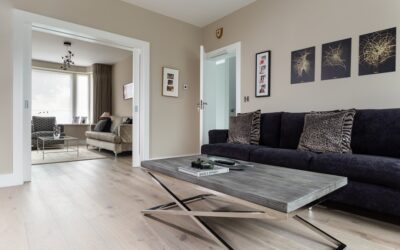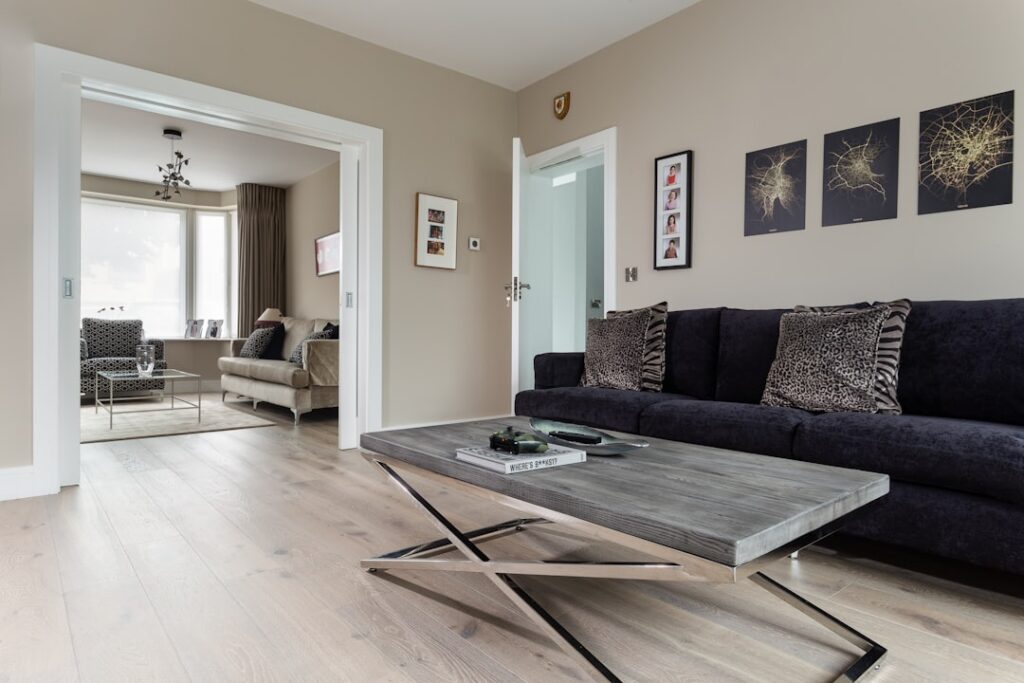
Pale floors are having a moment, and light laminate is the most affordable way to get that bright, Scandinavian-inspired look without the cost or upkeep of real blond hardwood. Light oak, whitewashed, ash, and natural maple visuals open up small rooms, bounce daylight around, and pair with nearly any decor. But light tones behave differently from dark floors when it comes to hiding dust, scratches, and pet hair, and choosing the right shade matters more than people expect. This guide covers the best light laminate looks, how they wear in real life, what they cost, and how to install and maintain them.
Why Choose Light Laminate
Light flooring does specific things for a space that darker floors can’t. It makes rooms feel larger and brighter, which is a real advantage in apartments, basements, and north-facing rooms that get little direct sun. Pale floors also reflect rather than absorb light, reducing the need for extra lighting. And because light laminate reads as fresh and modern, it tends to stay in style longer than trend-driven dark stains.
Popular Light Laminate Looks
“Light” covers a surprising range of tones, each with a different feel.
- Natural oak: warm, golden, and the most versatile light option.
- Whitewashed and limed: cool, coastal, and airy, great for beach or farmhouse styles.
- Ash and gray-blond: contemporary and neutral, leaning modern.
- Natural maple and birch: smooth, pale, and clean for minimalist interiors.
Pick a tone that complements your wall color and cabinetry — warm light floors pair with cream and beige, cooler whitewashed tones with gray and white.
How Light Floors Handle Dirt and Wear
This is where light laminate’s reputation gets nuanced, and it’s worth understanding before you commit. Light floors hide dust, pet hair, and crumbs better than dark floors, because the contrast is lower — a major practical win for households with shedding pets. The trade-off is that light floors show dark scuffs, mud, and spills more clearly. The good news for scratches: a light laminate’s core is typically a similar pale color, so a scratch that exposes the core is far less visible than the same scratch on a dark floor. Net result: light laminate is often more forgiving day to day than people assume.
The Specs to Check
Color is only half the decision. Make sure the product can take your traffic.
- AC rating: AC3 for normal residential use, AC4 for busy households and pets.
- Thickness: 8mm to 12mm boards feel solid and quiet underfoot; thin 6mm products feel hollow.
- Texture: embossed or hand-scraped surfaces hide minor scuffs better than glossy finishes, which also show every footprint on light floors.
- Water resistance: look for a water-resistant rating if installing in kitchens or entryways.
What Light Laminate Costs
Laminate’s price advantage holds across colors. Typical material ranges:
- Budget light laminate: $1 to $2 per sq ft
- Mid-range water-resistant: $2 to $3.50 per sq ft
- Premium thick, textured: $3.50 to $5 per sq ft
Installation adds about $2 to $4 per sq ft if you hire it out, or nothing for a DIY click-lock install. For a 500 sq ft area in a mid-range light oak, material runs roughly $1,000 to $1,750.
Installation and Maintenance
Light laminate installs exactly like any other click-lock laminate: acclimate the boxes 48 hours, install over a flat dry subfloor with the proper underlayment, and leave a 1/4-inch expansion gap at the walls. For maintenance, a matte or embossed finish is your friend on light floors — it disguises footprints and fine scratches that a high-gloss surface would broadcast. Sweep regularly, damp-mop with a laminate-safe cleaner, and use felt pads under furniture. Place a mat at entryways to catch the dark grit that shows most on pale floors.
Pairing Light Floors With Your Decor
Light laminate is a flexible backdrop, but the surrounding finishes determine whether the room feels cohesive or disjointed. Warm light floors like natural and golden oak pair beautifully with cream walls, beige furnishings, and brass or bronze fixtures for a cozy, inviting feel. Cooler whitewashed and gray-blond floors lean modern and look best against crisp white or soft gray walls with matte black or brushed nickel hardware. Because pale floors recede visually, they let furniture, rugs, and artwork become the room’s focal points — a real advantage if you like to change up your decor. When in doubt, bring a flooring sample home and set it against your wall color and a fabric swatch before ordering, since undertones that look neutral in the store can read distinctly warm or cool at home.
Where Light Laminate Works Best
Some rooms benefit from pale flooring more than others. Light laminate is a standout in small apartments, basements, and rooms with limited natural light, where its reflectivity makes the space feel larger and brighter. It’s also a smart choice in homes with shedding pets, since light floors camouflage hair and dust between cleanings. Open-concept layouts benefit too, because a single light tone running throughout visually expands the whole floor plan. The one place to think twice is a high-traffic entryway that tracks in dark mud and grit — there a darker transition mat or a more forgiving tile at the door protects the look of the lighter floor beyond.
The Bottom Line
Light laminate is the budget-friendly path to a bright, open, timeless interior, and in everyday use it hides dust and minor scratches better than darker floors. Choose a tone that matches your decor’s warmth, spec at least AC3 (AC4 for active homes) with a matte or embossed texture, pair it thoughtfully with your wall colors and fixtures, and keep entryway mats down to manage visible grit. Do that and a pale laminate floor will keep a room feeling fresh and spacious for years.
Prefer to explore on your own?
See how new flooring looks in your actual room in seconds — free, no signup.
Try the free Floor Studio →