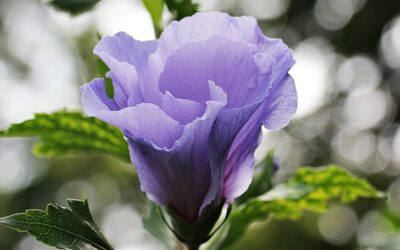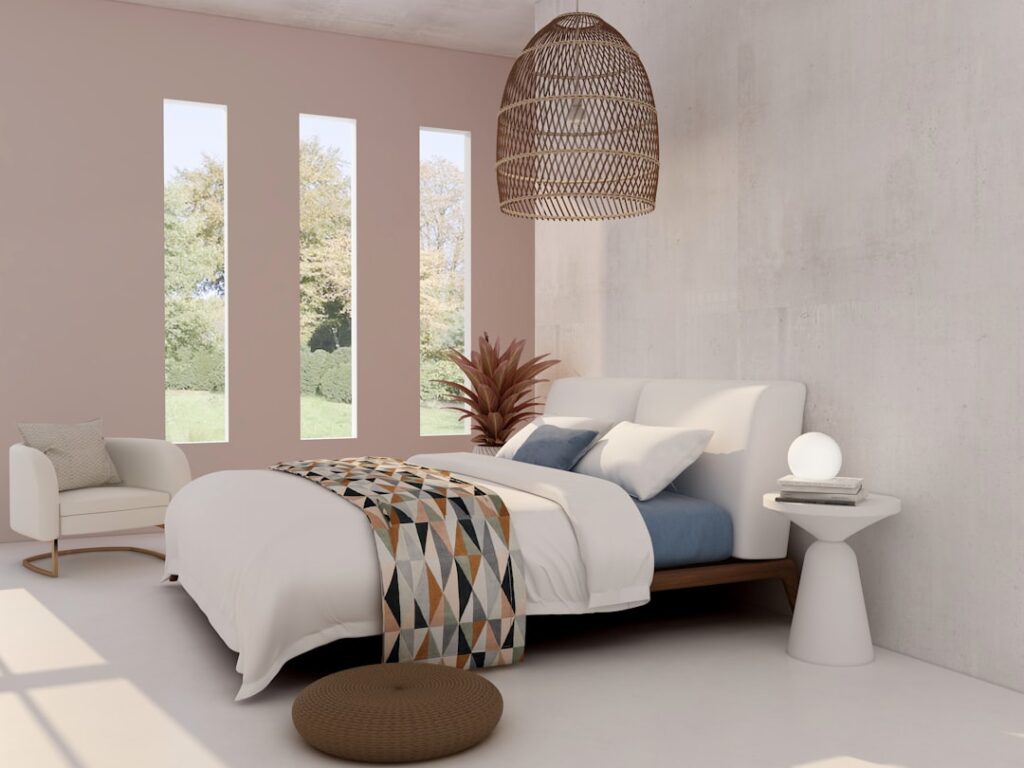
Lavender is the most underused bedroom color in adult homes, and that is a shame because it reads calmer than blue and warmer than grey while still feeling sophisticated. A well-designed light purple bedroom avoids the saccharine pastel trap and the dorm-room cliche by leaning on the right undertones, restrained accent colors, and quality fabrics. This guide walks through paint picks, bedding strategy, lighting, and the small decisions that separate a Pottery Barn catalog room from one that actually lives well.
- Choose the Right Lavender
- The Walls Are Only Step One
- Bedding Combinations That Work
- Best Accent Colors to Pair
- Lighting Sets the Mood
- Window Treatments
- Wood Tones and Furniture
- Step-by-Step Room Build
- Accessory Ideas That Avoid the Cliche
- What to Avoid
- Refreshing a Lavender Room Over Time
- Final Take
Choose the Right Lavender
Not all light purples are equal. Cool lavenders lean blue and feel crisp and modern. Warm lavenders lean pink and feel romantic and traditional. Greyed lavenders lean dusty and feel sophisticated and grown-up. Test paint samples on at least two walls at different times of day before committing to several gallons.
- Sherwin-Williams Wallflower SW 6284 (greyed pink-purple, warm and sophisticated).
- Benjamin Moore Misty Lilac 2071-70 (clean cool lavender).
- Behr Lavender Mist S110-1 (soft balanced lavender).
- Farrow & Ball Calluna No 270 (dusty mauve with purple undertone).
- Benjamin Moore Lily Lavender 2071-60 (slightly deeper traditional lavender).
The Walls Are Only Step One
Painting all four walls lavender produces a room that reads juvenile no matter the shade. Better approaches: paint just an accent wall behind the bed, paint all walls a much paler version of the lavender (like Sherwin-Williams Crushed Ice), or paint the upper two-thirds lavender with a soft white wainscoting on the lower third.
Ceiling treatments matter more than most homeowners realize. A ceiling painted in the same lavender at half-strength softens the room. A pure white ceiling sharpens it.
Bedding Combinations That Work
The bedding is the single largest fabric area in the room and drives the overall mood. Start with one anchor color from the lavender family and build from there. Cream or oat-toned linen sheets, a white duvet, lavender pillow shams, and an oversize knit throw at the foot reads calming and intentional.
Avoid matching everything to the wall. The single biggest tell of an amateur color scheme is monochromatic bedding that matches paint exactly. Pick complementary colors that play off the lavender rather than copying it.
Best Accent Colors to Pair
Lavender plays well with several specific accents. Soft greens like sage, eucalyptus, or fern bring a botanical balance. Warm metallics like brushed brass and aged bronze ground the room. Soft pinks pull warmth without going full pastel. Charcoal and deep navy add contrast and seriousness.
Pick one secondary color and one metallic accent and commit. Three or four scattered colors look chaotic. The whole room should read as a 70 percent lavender, 20 percent secondary, 10 percent metallic palette.
Lighting Sets the Mood
Bedroom lighting needs to layer four sources: ambient ceiling, bedside task, accent or art light, and dimmable mood lighting. For a lavender bedroom, 2700K to 3000K bulbs feel right. Anything cooler than 3000K makes lavender turn grey at night.
Bedside lamps from Visual Comfort, Schoolhouse, or Pottery Barn at $150 to $400 each anchor the nightstands. Avoid matchy-matchy bedside lamps in favor of two similar but not identical fixtures for a less staged look. CRI 90+ bulbs render paint colors and skin tones accurately.
Window Treatments
Lavender walls call for soft, layered window treatments. Linen curtains in cream, oat, or a slightly deeper purple panel over white roman shades give privacy plus light control. Avoid heavy black-out curtains in lavender since they read too sleep-clinic.
For wide windows, use double rods to layer sheer panels behind opaque panels. Restoration Hardware, Pottery Barn, and West Elm all sell linen curtains in the $80 to $250 per panel range. Custom curtains from a local seamstress run $300 to $800 per window.
Wood Tones and Furniture
The wood tone you choose drives the whole room mood. Warm white oak feels Scandinavian fresh. Walnut feels grown-up and classic. Painted black furniture creates strong contrast and modern edge. Avoid orange-toned cherry or pine since they fight with lavender undertones.
Vintage furniture from estate sales pairs beautifully with lavender. A mid-century walnut dresser, a Victorian-era nightstand, or a French country armoire all work because they bring warmth and history that brand-new bedroom sets cannot replicate.
Step-by-Step Room Build
- Test 3 or 4 paint samples on at least two walls and review at morning, noon, and evening.
- Choose lavender intensity based on the room size and natural light.
- Commit to a secondary accent color and metallic finish.
- Select bedding in layers: sheets, duvet or quilt, decorative shams, throw.
- Choose wood tone for furniture based on lavender undertone.
- Plan lighting: ceiling fixture, two bedside lamps, accent fixture, dimmer switches.
- Window treatments to add fabric softness.
- Edit accessories hard. Three to five well-chosen pieces beat 15 average ones.
Accessory Ideas That Avoid the Cliche
- Botanical art prints featuring greens and purples in matching frames.
- A small lavender plant or eucalyptus stems in a brass vase.
- A vintage mirror with aged brass or wood frame.
- Stacked books with neutral spines as nightstand styling.
- A textured pottery vessel or ceramic bowl in cream or charcoal.
What to Avoid
Skip the matching lavender bedroom-in-a-bag sets that include sheets, comforter, shams, throw pillows, and curtains all in the same exact shade. Skip lavender lampshades since they tint the light unflatteringly. Skip glossy paint finishes on walls because they amplify the cartoon-pastel quality. Skip matching wood furniture sets that all came in one delivery.
Refreshing a Lavender Room Over Time
One advantage of light purple as a base is how easily it accommodates updates. Swap throw pillows seasonally without buying new bedding. Rotate accent colors annually: sage in spring, blush in summer, terracotta in fall, deep navy in winter. The wall and bedding investment stays, while $40 to $80 in seasonal updates keeps the room feeling fresh.
Plan to repaint every 7 to 10 years if you keep the same lavender, since soft purples fade slightly under UV exposure. Save the original paint chip and brand info inside a kitchen drawer so future touch-ups match precisely.
Final Take
A thoughtful light purple bedroom feels like a retreat for an adult who happens to love color, not like a teen’s room that grew up half-heartedly. Get the lavender shade right, pair it with one strong secondary color, and layer textures. The result reads modern, calming, and entirely too uncommon in actual American homes.