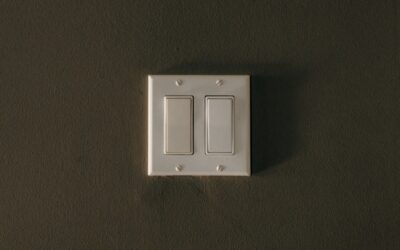
That faint hum or crackle coming from your wall is easy to ignore, but a light switch buzzing is your home’s way of telling you something is wrong. Sometimes the cause is harmless, like a dimmer working with an incompatible bulb, and sometimes it signals a loose wire or failing switch that poses a real fire risk. Knowing the difference matters. This guide breaks down the common causes, which ones are safe, and how to fix the problem or know when to call a pro.
- Is a Buzzing Light Switch Dangerous?
- Common Causes of a Buzzing Light Switch
- Dimmer Switch Buzzing Explained
- When Buzzing Signals a Serious Problem
- How to Troubleshoot a Buzzing Switch Safely
- How to Fix or Replace a Buzzing Switch
- Preventing Future Switch Problems
- Buzzing That Comes from the Breaker Panel
- Frequently Asked Questions
Is a Buzzing Light Switch Dangerous?
A light switch buzzing ranges from a minor annoyance to a genuine safety hazard depending on the cause. A quiet hum from a dimmer switch is usually harmless. But a loud buzz, crackling, sizzling, or a switch that feels warm or smells like burning plastic points to an electrical problem that can lead to arcing and fire.
As a rule, treat any buzzing accompanied by heat, odor, discoloration, or flickering lights as urgent. Turn off the circuit at the breaker and have it inspected. Electrical faults are one of the leading causes of house fires, so it is never worth taking chances with a switch that shows warning signs.
Common Causes of a Buzzing Light Switch
Several issues can make a switch hum or crackle. Identifying the source helps you decide whether it is a quick fix or a job for an electrician.
- Dimmer switch with incompatible bulbs: The most common and least dangerous cause. Many dimmers hum with certain LED or CFL bulbs.
- Loose wiring: A wire that has worked loose from the switch terminal can arc and buzz, and this is a serious fire hazard.
- Worn-out switch: Internal contacts degrade over time, causing a buzz as the mechanism fails.
- Overloaded circuit: Too much demand on a circuit can make a switch or breaker hum.
- Faulty or cheap switch: Low-quality switches sometimes buzz from the start due to poor internal construction.
Dimmer Switch Buzzing Explained
If the buzzing comes from a dimmer, the culprit is usually the interaction between the dimmer and your light bulbs. Standard dimmers rapidly switch power on and off to reduce brightness, and this can cause the bulb filament or the dimmer components to vibrate audibly, especially with non-dimmable or incompatible LED bulbs.
The fix is often simple. Replace the bulbs with LEDs specifically labeled “dimmable” and compatible with your dimmer type. Even better, install a dimmer designed for LED loads, sometimes called an ELV or CL-rated dimmer. Matching a quality LED-compatible dimmer with dimmable bulbs eliminates most dimmer hum entirely.
When Buzzing Signals a Serious Problem
Some buzzing demands immediate attention. Loose wiring is the most dangerous cause because it allows electricity to arc across a gap, generating heat and the risk of fire. Signs of a serious electrical fault include:
- A loud, persistent buzz or crackling and popping sounds.
- A switch plate that feels warm or hot to the touch.
- A burning smell or the odor of hot plastic.
- Scorch marks, discoloration, or melting on the switch or plate.
- Lights that flicker or dim along with the buzzing.
If you notice any of these, shut off power to that circuit at the breaker immediately and call a licensed electrician. Do not keep using the switch until it has been inspected and repaired.
How to Troubleshoot a Buzzing Switch Safely
For minor buzzing without heat or odor, a careful homeowner can do some basic troubleshooting. Always turn off the power at the breaker before touching a switch. First, if it is a dimmer, swap in known dimmable LED bulbs to see if the noise stops. If a standard switch buzzes, remove the cover plate (with power off) and look for loose, discolored, or scorched wires. Gently confirm the switch is securely mounted, since a loose switch can vibrate against the box. If the wiring looks damaged or you are unsure, stop and call an electrician. Never work on a live circuit, and if you smell burning at any point, leave the power off and get professional help.
How to Fix or Replace a Buzzing Switch
Replacing a worn-out switch is a common DIY repair, but only if you are comfortable with basic electrical work and the wiring is sound. With the breaker off and voltage confirmed off with a tester, you can remove the old switch and install a new quality switch, matching the wire connections exactly. Choose a name-brand switch rather than the cheapest option, since better internal contacts resist buzzing and last longer. For dimmers, buy an LED-compatible model rated for your bulb wattage. If the buzzing is caused by loose wiring in the box, an overloaded circuit, or anything you cannot clearly identify, hire a licensed electrician. The cost of a service call is minor compared to the risk of an electrical fire.
Preventing Future Switch Problems
A few habits keep your switches quiet and safe. Use quality switches and dimmers from reputable brands rather than bargain units. Match dimmers to dimmable, compatible bulbs to avoid hum from the start. Avoid overloading circuits by spreading high-demand devices across different outlets and circuits. Have an electrician inspect your wiring if your home is more than a few decades old or if you notice recurring issues. Address any buzzing promptly rather than living with it, since a small problem left alone can worsen into a dangerous fault. Regular attention to these details extends the life of your switches and protects your home.
Buzzing That Comes from the Breaker Panel
Sometimes the noise you blame on a switch actually originates elsewhere in the electrical system, and knowing the difference helps you respond correctly. A hum coming from the breaker panel rather than the switch is a serious warning sign. A properly functioning breaker should be silent, so a buzzing or humming breaker often points to a loose connection, an overloaded circuit, or a failing breaker that is not tripping as it should.
This matters because a breaker that buzzes and fails to trip cannot protect the circuit from overheating. If you trace a persistent hum to the panel, treat it as urgent and call a licensed electrician promptly. Do not open the panel or attempt repairs yourself, since the main lugs remain energized even with the breakers off.
Similarly, buzzing at an outlet points to the same family of problems as a buzzing switch: loose wiring, a worn device, or an overloaded circuit. Wherever the sound comes from, the safe rule is consistent. A soft dimmer hum tied to bulbs is usually harmless, but any buzz accompanied by heat, burning smells, discoloration, or a breaker that will not trip signals a genuine hazard. Cut the power to the affected circuit and get a professional evaluation rather than living with an electrical noise that could be the early sign of a fire risk.
Frequently Asked Questions
Why is my light switch buzzing?
The most common cause is a dimmer working with incompatible bulbs, which is usually harmless. Other causes include loose wiring, a worn-out switch, or an overloaded circuit, some of which can be dangerous.
Is a buzzing light switch a fire hazard?
It can be. A quiet dimmer hum is generally safe, but loud buzzing, crackling, heat, burning smells, or discoloration signal arcing or loose wiring that can cause a fire. Shut off the circuit and call an electrician.
How do I stop my dimmer switch from buzzing?
Replace your bulbs with dimmable LEDs that are compatible with your dimmer, or install an LED-rated (CL or ELV) dimmer. Matching quality components usually eliminates the hum entirely.
Can I fix a buzzing light switch myself?
Minor issues like swapping bulbs or replacing a worn switch are DIY-friendly if you turn off the breaker and confirm the power is off. If you find damaged wiring, heat, or odor, call a licensed electrician instead.
When should I call an electrician for a buzzing switch?
Call immediately if the switch is warm, smells like burning, shows scorch marks, crackles loudly, or is paired with flickering lights. These signs point to a serious electrical fault that needs professional repair.
A light switch buzzing is worth investigating rather than tuning out. A soft dimmer hum usually just needs compatible bulbs, but any heat, odor, or loud crackling is a red flag for loose wiring and fire risk. When in doubt, cut the power and call a licensed electrician; it is a small cost for peace of mind and a safe home.