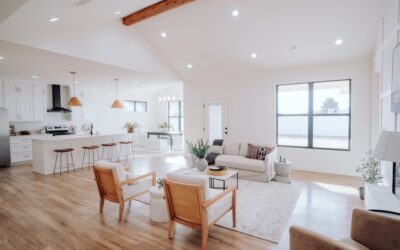
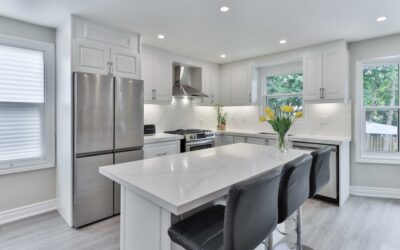
The all-white kitchen has had its run. Designers and homeowners have spent the last three years swinging back toward warmth, and the light wood kitchen is the look that most often gets it right. Done well, it feels Scandinavian and serene. Done poorly, it looks like a 1990s honey-oak time capsule. The difference is in the wood species, the finish, and the pairings – not the wood itself. Here is how to plan a kitchen with light wood elements that will still look intentional in 2040.
Part of our Kitchen Remodeling guide — explore the full guide →
Why Light Wood Is Trending Again
Kitchen design moves in 20-year cycles. White and gray dominated 2015 through 2024. Light wood – white oak, hickory, ash, and rift-cut maple – took over from there, driven partly by the Scandinavian and Japandi aesthetics on Pinterest and Houzz. Unlike honey oak from the 90s, the current generation of light wood pairs cool grain with matte finishes and clean lines, which keeps it from reading dated.
It also performs better in real homes. Light wood hides scratches, dust, and pet hair far better than dark walnut or painted white. For a kitchen with kids and a golden retriever, that matters.
The Best Wood Species for Light Cabinets
Not every light wood reads the same. Some have heavy grain that ages quickly. Others are too uniform and look like laminate. Here are the species that work.
- Rift-cut white oak: The current designer favorite. Tight, straight grain. Costs $400-$650 per linear foot for custom cabinets. Available off-the-shelf from KraftMaid, Decora, and several IKEA hacks.
- Quartersawn white oak: Similar to rift-cut but with more dramatic flecking. Slightly more rustic. $350-$550 per linear foot.
- European beech: Pale, almost pink-toned. Common in IKEA and Semihandmade fronts.
- Ash: Strong grain, very pale base color. Excellent for showing wood grain without going dark.
- White-washed maple: A modern take on the 90s look. Maple stained with a thin white pickle wash retains the wood character without yellowing over time.
Avoid red oak and honey-stained hickory unless you specifically want a rustic farmhouse look. The orange undertones are what made the 90s kitchens age poorly.
Finish Matters More Than Wood
The same white oak can look dated or current depending on finish. Three rules:
- Use a matte or 10-degree sheen polyurethane, never gloss
- Skip yellowing finishes – water-based poly (Bona Mega ONE, Loba Easy) stays clear
- If staining, use a UV-stable conditioner and a light driftwood or weathered finish, not honey or natural
For an even more modern look, ask for a hardwax oil finish (Rubio Monocoat, Osmo Polyx) instead of poly. It penetrates the wood, ages naturally, and can be spot-repaired.
Flooring That Pairs With Light Wood Cabinets
The temptation is to match the cabinet wood to the floor wood. Avoid this. The kitchen will look flat and monotonous. Better pairings:
- Light oak cabinets + wide-plank gray-washed white oak floors
- Light oak cabinets + large-format porcelain tile in warm gray or cream
- Ash or beech cabinets + matte black slate-look porcelain
- Maple cabinets + walnut-stained engineered hardwood (deliberate contrast)
For a small kitchen, you can run wide-plank LVP throughout the open floor plan in a tone that is 2-3 shades darker than the cabinets. This makes the cabinets pop without creating visual chaos.
Countertops
Light wood plays well with most countertop surfaces, but the winners are clear.
White or off-white quartz with subtle gray veining (Caesarstone Frosty Carrina, Cambria Brittanicca Warm) is the safest, most timeless pairing. Honed soapstone gives a moody, sophisticated contrast for those who want darker. Concrete-look porcelain slab (Dekton, Neolith) adds an industrial edge.
Avoid heavily veined marble – it competes with the wood grain. Avoid dark granite with busy patterns – same reason.
Hardware Choices
Brass and black are the two finishes that consistently work with light wood. Brushed brass (not polished) gives warmth. Matte black gives a clean, modern edge. Polished chrome reads dated against wood. Pulls in the 5 to 8 inch range work for most drawer fronts, with longer 10-12 inch appliance pulls on the pantry and refrigerator panel.
A 1.5 inch round knob on uppers and a 5 inch tube pull on lowers is a foolproof combination.
Wall Color and Backsplash
Pale wood cabinetry looks best with warm whites on the walls. Benjamin Moore Swiss Coffee, White Dove, and Simply White all flatter the wood. Cool whites like Decorator’s White can clash and make the cabinets read yellow.
For the backsplash, three options dominate:
- Stack-bond white zellige tile – hand-made imperfection that complements wood grain
- Honed marble subway in 3×12 – timeless
- Full-height slab backsplash matching the countertop – the cleanest, most modern move
Lighting Plan
Wood absorbs more light than painted cabinets. Plan for 30 percent more lumens than you would for a white kitchen. Use 3000K bulbs throughout – not 2700K (too yellow on wood) and not 4000K (too cold and clinical). Layer three sources:
- Overhead recessed cans on a dimmer (typically 4 inch LED retrofits at 800 lumens each, one per 25 sq ft)
- Under-cabinet LED strips (3000K, 90+ CRI) for task work
- A statement pendant or two over the island
Common Mistakes
The biggest pitfall in a light wood kitchen is over-matching everything. Wood floor, wood cabinets, wood ceiling beams, wood shelves – it stops feeling Scandinavian and starts feeling like a sauna. Pick two wood surfaces and balance them with stone, painted drywall, and metal accents.
The second mistake is choosing the cheapest wood-look option without checking the grain. Big-box stock cabinets often use thermally fused laminate or melamine with a printed wood pattern. From three feet away it looks fine, but up close the repeat is obvious. If budget is the constraint, IKEA’s Askersund (light ash effect) is a more convincing budget option than most under-$10,000 stock cabinet lines.
Budget Ranges
Expect the following ranges for a 200 sq ft kitchen with pale wood cabinets:
- IKEA cabinets with wood-effect fronts: $4,000-$8,000
- Semi-custom real wood (KraftMaid, Decora): $14,000-$24,000
- Custom rift-cut white oak: $28,000-$55,000+
- Quartz counters: $4,000-$7,000 installed
- Engineered hardwood flooring: $7-$14 per sq ft installed
A light wood kitchen feels timeless when the details are coordinated – the species, the finish, the floor, and the metal. Spend the planning time up front and the result will outlast the trend.