Big-box retailers and online sellers grab attention with low sticker prices, but the homeowners who end up happiest with their flooring almost always bought it down the street. Shopping for local carpet gives you something a website cannot: someone who measures your rooms, hauls away the old carpet, and answers the phone when a seam looks off six weeks later. That accountability is worth more than the few dollars per yard you might save buying sight unseen.
That said, not every local dealer is equal. Knowing how the carpet business actually works helps you separate the showroom that earns your money from the one that just has a convenient parking lot.
Why Buy Carpet Locally
A local carpet store bundles three things into one transaction: the product, professional measuring, and installation by crews the store stands behind. When you buy carpet online, you become the general contractor for all three, and any mismatch between what you ordered and what your floor actually needs lands squarely on you.
Local dealers also carry samples you can take home. Carpet color shifts dramatically under different lighting, and a beige that looked warm in the showroom can read pink under your living room bulbs. Borrowing a 12×18 inch sample for a few days prevents an expensive mistake.
What Local Carpet Actually Costs
Carpet is priced per square foot or per square yard, and the total job includes more than the face price. A realistic installed budget breaks down like this:
- Carpet: $2 to $7 per square foot for most residential grades
- Padding: $0.30 to $0.60 per square foot, and do not cheap out here
- Installation: $0.50 to $1.50 per square foot
- Old carpet removal: $1 to $1.50 per square foot or a flat haul-away fee
For a typical 300-square-foot living room, expect $1,200 to $2,500 installed. A good local store quotes all of this in writing rather than burying removal and stair charges in fine print.
The Value of In-Home Measuring
Measuring a room for carpet is not the same as measuring for paint. Carpet comes in 12-foot-wide rolls, so the installer has to plan seams, account for the nap direction, and minimize waste. Get the layout wrong and you either waste a third of a roll or end up with a seam running straight down a hallway where everyone will see it.
A professional measure also catches subfloor problems, transitions to other flooring, and door clearance issues before they become installation-day surprises. Most local dealers offer this for free or credit the fee toward your purchase.
Questions to Ask Before You Buy
Walk into the showroom with a short list. The answers tell you whether you are dealing with pros or a place that just sells flooring on the side.
- Are your installers employees or subcontractors, and are they insured?
- What is the carpet’s face weight and twist level?
- What stain and wear warranties come with this product?
- Does the quote include removal, haul-away, furniture moving, and stairs?
- What is your lead time from order to installation?
Face weight and twist matter more than most shoppers realize. A higher twist number resists matting in traffic lanes, and a denser pile bounces back instead of flattening. Two carpets at the same price can perform completely differently.
Choosing the Right Carpet Fiber
Most residential carpet uses nylon, polyester, or triexta. Nylon is the most durable and resilient, ideal for stairs and busy households. Polyester is softer and naturally stain-resistant but mats faster. Triexta, sold under the Mohawk SmartStrand name, splits the difference with good stain resistance and durability. For a family with kids and pets, a local dealer can steer you toward the fiber that survives real life.
Supporting Local Pays Off Later
When a seam peaks, a ripple appears, or you want a remnant bound into a runner, a local relationship makes all the difference. National warranties are notoriously hard to claim through, but a neighborhood store that wants your repeat business and referrals will usually make it right. That long-term service is the real argument for buying local carpet.
Padding: The Upgrade Most People Skip
Padding is the invisible component that determines how your carpet feels and how long it lasts, yet it is where shoppers most often cut corners to save money. Cheap, thin padding lets the carpet flex and break down at the backing, voiding many warranties in the process. For most residential carpet, a 7- to 8-pound density pad at 3/8 to 7/16 inch thickness is the sweet spot. Plush carpets need firmer, thinner pads, while berbers actually require a denser, low-profile pad to prevent buckling. A good local salesperson will steer you to the right pad rather than just selling the cheapest one.
Understanding Carpet Styles
The way the fibers are looped and cut creates different styles, each suited to different rooms.
- Plush and saxony give a smooth, formal look but show footprints and vacuum marks
- Frieze uses tightly twisted fibers that hide wear, great for busy areas
- Berber and loop are durable and casual but can snag with pets
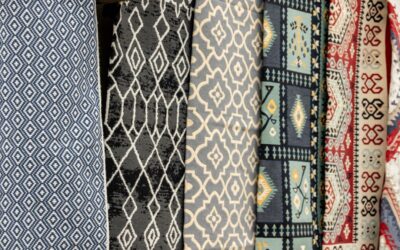
- Pattern and cut-loop add visual texture that hides dirt and traffic
For a family room or stairs, frieze and textured cuts forgive the most abuse. Save delicate plush for low-traffic bedrooms.
Timing and Lead Times
One advantage of buying local is realistic scheduling. In-stock carpet can often be installed within a week or two, while special-order colors and styles may take three to five weeks to arrive. Plan around big events, and ask the store to confirm the installation date in writing when you order. If a deal seems too good but the lead time is vague, that is a red flag worth pressing on.
Final Thoughts
Compare at least two or three local carpet showrooms, take samples home, and insist on a written, itemized quote that spells out carpet, padding, removal, and installation. Do not skimp on the pad, and match the carpet style to how the room is actually used. The lowest number on day one is rarely the best deal over the life of the floor. Buy from people you can find again, and your carpet purchase becomes a relationship rather than a gamble.