
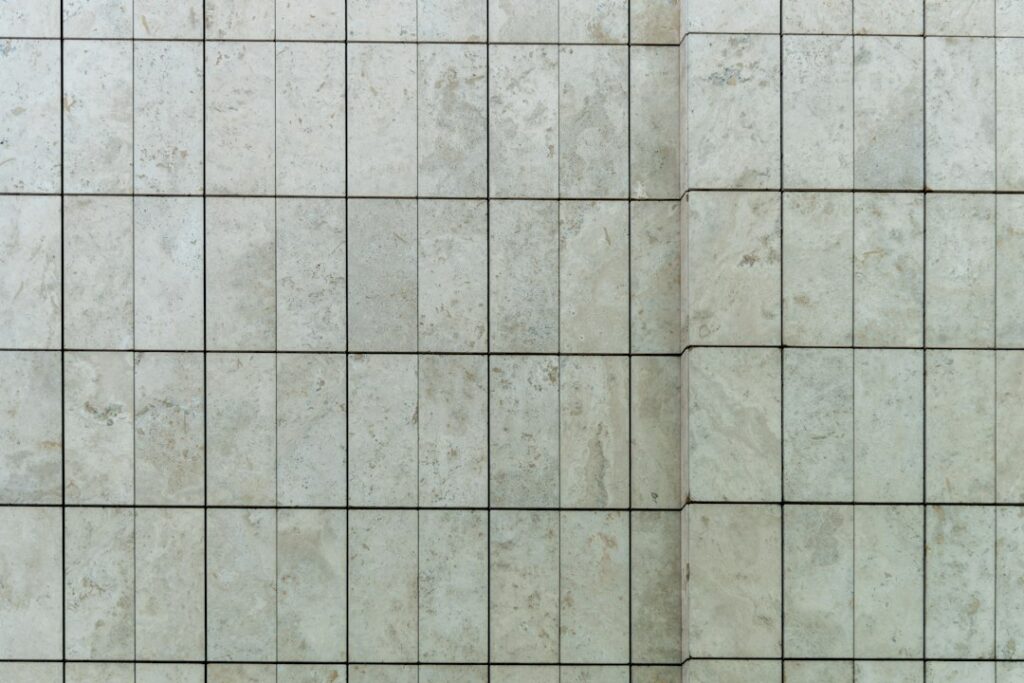
A beige subway tile sounds safe until it goes up next to white cabinets and suddenly looks pink, or beside oak and disappears entirely. Logic Fawn Gloss tile is a soft neutral glazed ceramic from Emser Tile’s Logic subway series, and getting it right depends on understanding its warm undertone, its wall-only rating and which formats are still easy to find.
Part of our Tile & Grout guide — explore the full guide →
The short answer: Logic is a glossy and matte ceramic wall tile line made for subway layouts, including vertical installs. Fawn is one of a handful of soft neutrals in the series, alongside colors such as White, Bone, Taupe and Gray. Retailer listings show Fawn in gloss in sizes including 3×6, 4×10, 4×16 and 6×6. It is rated for walls, not floors, which makes it a fit for kitchen backsplashes, bathroom walls and shower walls.
One caution up front. Several of Emser’s own Logic product pages were no longer loading when this was written, which often means a line is being discontinued, renamed or reorganized. If you love the look, confirm stock with a dealer and buy enough for the whole job plus extra in a single production lot.
Logic Fawn Gloss Tile Specs
Values come from Emser’s Logic listings and retailer spec sheets. Numbers vary by size, so check the box label or the dealer’s spec sheet for the format you buy.
| Spec | Value | What it means |
|---|---|---|
| Material | Glazed ceramic | Softer red or white clay body; easier to cut than porcelain |
| Finish | Gloss (also sold in matte) | Reflects light and brightens small spaces; shows lippage more |
| Fawn gloss sizes seen in listings | 3×6, 4×10, 4×16, 6×6 inches | Classic subway, elongated subway and square options |
| Thickness | About 7 to 8 mm on listed field tile | Standard wall tile thickness; plan trim and outlet box depth |
| Rating | Wall only; PEI not rated in retailer listings | Not for floors, shower floors or countertops |
| Shade variation | V2 (slight) in a retailer listing | Minor tone shifts between pieces; blend boxes |
| Recommended grout joint | 1/8 inch | Tight, classic subway look |
| Coordinating trim | Single bullnose wall trim in the series | Finishes exposed edges without metal profiles |
Retailers file the Fawn color under different color families, from beige to gray, which tells you it sits between the two. Expect a light tan with a soft warm cast that can read greige under cool LED light.
What the Fawn Color Looks Like in a Room
Fawn is a muted light brown with gray in it. In warm, incandescent-style light it leans beige and cozy; in north light or cool white LEDs it moves toward taupe. The gloss glaze adds a slight depth and catches reflections, so it looks livelier than a matte beige.
- With white cabinets: works if the white is soft or creamy. Stark bright whites can make fawn look muddy.
- With wood cabinets: contrasts well with dark walnut-toned wood; can blend too closely with mid-tone oak.
- With countertops: pairs with warm white quartz, cream granite and butcher block. Strongly cool gray stone may clash.
- With fixtures: brass, bronze and black hardware suit its warmth; polished chrome can feel cold beside it.
Grout Pairings for Fawn Gloss
Grout changes subway tile more than the tile color itself. With 1/8 inch joints on a 3×6, grout covers a meaningful share of the wall.
| Grout choice | Effect | Best for |
|---|---|---|
| Matching tan or light beige | Calm, nearly solid look | Small baths, busy countertops |
| Warm white or bone | Defines each tile softly | Classic kitchens, cottage style |
| Mid gray or greige | Pulls the fawn cooler | Rooms with gray stone or cool lighting |
| Dark brown or charcoal | Strong graphic grid | Accent walls, vintage or industrial looks |
Glossy ceramic shows grout haze, so wipe carefully and buff once the haze forms. For shower walls, a stain-resistant grout or a sealed cement grout keeps the light joints from darkening.
Layouts for Backsplashes and Showers
Running bond (offset)
The default subway pattern. On 3×6 tile, a half offset is classic. On 4×16, use a one-third offset or less to reduce lippage from any slight bow in long pieces.
Vertical stack
The Logic series was promoted for vertical subway installs. Stacking 4×16 tiles vertically makes low ceilings feel taller and suits modern kitchens.
Herringbone
Works with 3×6 or 4×10 to turn a neutral color into a feature. It needs more cuts, so add extra overage.
Square grid
The 6×6 format in a straight grid has a mid-century feel. Pair it with matching grout to keep it quiet.
In showers, gloss ceramic is fine on the walls over a proper waterproofing membrane. Do not use it on the shower floor or bench seat tops where foot traffic and standing water meet a wall-only glaze.
Tools, Materials and Installation Steps
- Tile, plus 10 percent extra for straight layouts and 15 percent for herringbone or diagonal patterns
- Cement board or a waterproof backer in wet areas; liquid or sheet waterproofing membrane for showers
- Thinset or premixed adhesive rated for ceramic wall tile
- 1/8 inch spacers or a tile leveling system for the long 4×16 format
- Snap cutter or wet saw, tile nippers, notched trowel, level and laser or chalk line
- Grout, grout float, sponges and buckets
- N95 or P100 respirator, safety glasses, gloves and hearing protection
- Plan the layout. Dry-lay a row on the counter to set the start point and avoid slivers at outlets and corners.
- Prep the wall. Make it flat, clean and dry. In showers, install and cure the waterproofing first.
- Mix boxes. Pull tiles from several boxes as you go to blend the V2 shade variation.
- Set the first row level. Use a ledger board if the counter or tub is out of level.
- Spread and set. Trowel thinset in small areas, back-butter long tiles, and press each tile with a slight twist.
- Control lippage. On 4×16 gloss, a tile leveling system helps keep edges flush; gloss shows every high edge in raking light.
- Cut and trim. Finish exposed edges with bullnose. Turn off the breaker before working around outlets and confirm power is off with a non-contact voltage tester; use box extenders so devices sit flush with the new tile face.
- Grout and caulk. Grout after the adhesive cures, then caulk the counter joint and inside corners with color-matched caulk.
Ceramic produces fine silica dust when cut dry. Use a wet saw or score-and-snap cutter where you can, wear an N95 or P100 respirator for any dry cutting or grinding, and clean up with a HEPA vacuum and damp wiping instead of dry sweeping.
Troubleshooting and Cost Ranges
- Tile looks pink or orange: lighting or a stark white cabinet is pulling the warm undertone. Try a cooler grout or warmer bulbs.
- Visible high edges: lippage on long formats. Use a smaller offset and a leveling system next time; on a fresh install, reset tiles before thinset cures.
- Color mismatch from a later order: different production lot. Buy everything at once and keep spare tiles for repairs.
- Cracked glaze: often from impact or a flexing substrate. Replace the tile rather than patching.
Ceramic subway tile is among the lower-cost wall tiles, often in a general range of about $2 to $8 per square foot for the tile, with trims extra. Professional backsplash installation commonly adds roughly $10 to $25 per square foot, and shower walls cost more because of waterproofing and more complex cuts.
When to Call a Pro
A backsplash is a reasonable DIY project. Call a tile installer for full shower surrounds, where waterproofing mistakes cause hidden water damage, and for long-format gloss walls where flatness is hard to achieve. Moving or adding outlets belongs to a licensed electrician, and any kitchen or bath outlet near the new tile should be GFCI protected. In older homes, test old wall materials before demolition: pre-1980s plaster, joint compound and adhesives can contain asbestos, and pre-1978 paint can contain lead.
Frequently Asked Questions
Can Logic Fawn Gloss tile go on a floor?
No. It is a glazed ceramic wall tile, and retailer listings show it as not PEI rated for foot traffic. Use a floor-rated porcelain in a similar tone for floors.
Is Logic Fawn Gloss tile good for a shower?
It works on shower walls when installed over a proper waterproofing system with suitable thinset and grout. Do not use it on shower floors or horizontal bench tops.
What color grout goes with fawn subway tile?
Matching tan grout gives a calm, solid look, warm white makes each tile stand out softly, and mid gray shifts the color cooler. Test a small board before deciding.
Is the Logic tile line discontinued?
Several manufacturer product pages for the series were not loading when this was written, which can signal a discontinued or reorganized line. Ask a dealer about current stock before planning a large project.
What sizes does Logic Fawn Gloss come in?
Retailer listings show Fawn in gloss in 3×6, 4×10, 4×16 and 6×6 inch sizes. Availability varies, so confirm the exact size and finish code with the dealer.
Do I need a tile leveling system for subway tile?
It is optional on 3×6 tile but helpful on 4×16 and other long formats, especially with a gloss finish that highlights uneven edges.
Prefer to explore on your own?
See how new flooring looks in your actual room in seconds — free, no signup.
Try the free Floor Studio →

