A textured popcorn ceiling or bumpy 1990s knockdown will date a room faster than worn carpet, and yet a full smooth-coat skim from a drywall contractor runs 3 to 6 dollars per square foot. A weekend low budget DIY ceiling upgrade can run as little as 0.75 to 2.50 dollars per square foot using planks, lightweight panels, or strategic paint. This guide walks through five proven approaches, the tools each requires, and the realistic time and cost for each in a typical 12 by 14 foot room.
Cost Per Square Foot Comparison
Before picking a method, know the budget ranges. These costs are materials only for a 168 square foot room ceiling (12 by 14 feet).
- Two-coat ceiling paint with primer: about 0.40 to 0.60 dollars per sq ft (80 to 100 dollars total)
- Plank ceiling using underlayment plywood ripped into 6 inch boards: 0.75 to 1.25 dollars per sq ft
- Beadboard 4 by 8 sheets: 1.20 to 1.80 dollars per sq ft
- WoodHaven planks (Armstrong) or AspenWood: 1.80 to 2.80 dollars per sq ft
- Shiplap from a stack of 1 by 6 pine: 1.50 to 2.50 dollars per sq ft
- Faux foam beams (Ekena or similar): 8 to 15 dollars per linear foot, add 200 to 400 dollars total
All five options can be DIY’d in a weekend with rented or owned tools. Larger budgets buy faster install with better-looking material; smaller budgets buy a great look with more labor.
Paint-Only Refresh
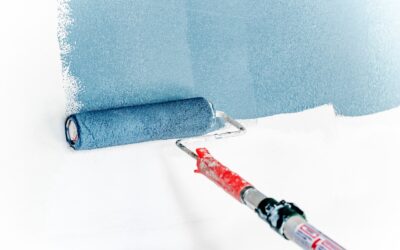
The cheapest ceiling fix is fresh paint. A flat or matte white ceiling paint (Behr Premium Plus Flat Ceiling at 22 dollars per gallon) hides minor texture, brightens the room, and is genuinely faster than any other method. Two coats covers most ceilings; bad water stains need a primer coat first (Kilz Original at 16 dollars per quart).
Roll with a 1/2 inch nap roller on smooth ceilings and a 3/4 inch nap on textured. Cut in edges with a 2 inch angled brush. Box your paint by mixing all gallons together in a 5 gallon bucket before starting so color stays consistent. Total time: 4 to 6 hours for a 168 square foot room including drying between coats.
Plywood Plank Ceiling
The cheapest plank look comes from a single 4 by 8 sheet of 1/4 inch underlayment plywood ripped into 5 to 6 inch wide strips at the lumber yard. A sheet costs 28 to 38 dollars and yields about 32 square feet of planks. Three sheets cover 96 square feet at roughly 100 to 115 dollars total before fasteners.
Stain or paint the strips first while they are flat on sawhorses, then attach to the ceiling with construction adhesive (Loctite Power Grab Heavy Duty) plus 1.25 inch brad nails into the ceiling joists. Find joists with a stud finder and mark them on the wall so you can shoot brads with confidence. Stagger the seams as you would on a wood floor.
Beadboard Sheets
For a quick traditional or coastal look, 4 by 8 beadboard panels from Home Depot at 22 to 32 dollars per sheet install directly to the ceiling. Cut to size with a circular saw and a straightedge guide. Glue and brad-nail to joists, exactly like plywood planks.
Seams between sheets get hidden with 1 by 2 batten strips painted to match. The result is a tongue-and-groove cottage look with about half the labor of individual planks. Best for ceilings under 10 by 12 feet because the sheets get hard to wrangle solo.
Covering a Popcorn Ceiling
Scraping popcorn is messy, slow, and risky if the home was built before 1980 because of possible asbestos. Test first with an EPA-approved kit (DIY Asbestos Test Kit at 35 to 50 dollars). If positive, hire abatement; if negative, you still have two days of scraping.
Covering the popcorn is faster and skips the dust nightmare. Glue and brad-nail planks or beadboard directly over the popcorn, finding joists for fastener purchase. Add a strip of 1 by 4 perimeter trim at the wall to hide the transition. This is the single most popular low budget DIY ceiling approach for popcorn cover-ups.
Shiplap Ceiling
Real 1 by 6 nickel-gap shiplap costs 2 to 3 dollars per linear foot at home centers, which works out to 1.50 to 2.50 dollars per square foot installed. For a 168 square foot ceiling, plan on 320 to 420 dollars in shiplap plus 30 dollars in fasteners and adhesive.
Run boards perpendicular to the joists. Start at one wall with the groove facing the wall, set 1/8 inch gap with a tile spacer, and brad-nail through the tongue at every joist. The next board’s groove slides over the previous board’s tongue. Stagger end joints by at least 12 inches between rows. A ceiling like this looks like a designer build and costs less than 500 dollars in materials.
Faux Beams
Polyurethane faux beams from Ekena Millwork or Volterra cost 8 to 15 dollars per linear foot and weigh almost nothing. They install with a wooden mounting board screwed into the ceiling joists, with the U-shaped beam sliding over and locking in with adhesive and finish nails.
Three to five beams across a 14 foot ceiling at 12 feet long each totals 36 to 60 linear feet and runs 300 to 900 dollars depending on the beam style. Pair with a fresh coat of white ceiling paint and you have a high-impact upgrade that suggests rustic timber framing without the structural commitment.
Tools You Need
For paint: 9 inch roller frame, two 9 inch covers, extension pole, 2 inch angled brush, drop cloths, painter’s tape. For planks or shiplap: cordless brad nailer (Ryobi 18V Airstrike or DEWALT 20V DCN680, 130 to 200 dollars), miter saw or circular saw, stud finder, level, construction adhesive caulk gun.
Rent rather than buy if you only plan one ceiling project. A brad nailer rents for about 25 dollars per day at Home Depot. Two helping hands on plank or beadboard install saves an hour and frustration. With good prep and the right material, a single weekend transforms the most overlooked surface in any room.