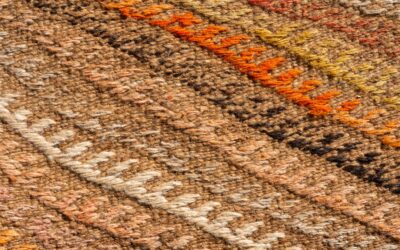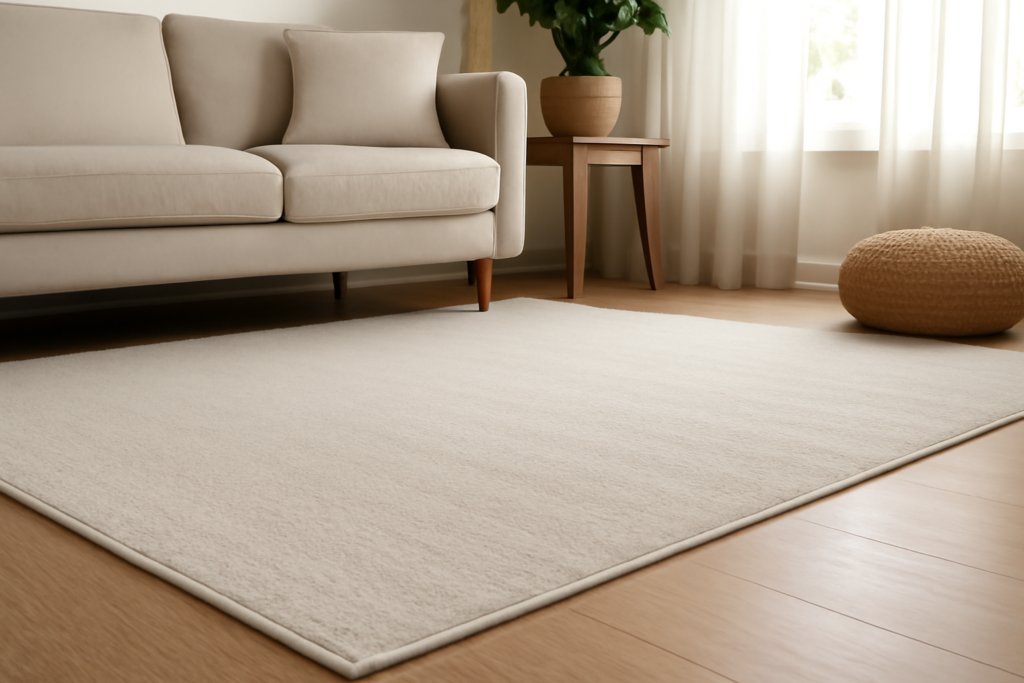
If you have ever fought a vacuum across a thick shag or watched a chair leg snag in deep fibers, you already understand the appeal of a flatter rug. A low pile rug has a short, tightly woven surface, typically under a quarter inch tall, that resists crushing, cleans easily, and lets doors and furniture glide without catching. It is the practical workhorse of the rug world.
Low pile is not about sacrificing style. From flatweaves to tight loop constructions, these rugs come in every pattern and color, and they tend to outlast their plush cousins in busy parts of the home.
What Pile Height Actually Means
Pile height refers to how tall the rug’s fibers stand from the backing. Rugs are loosely grouped into low, medium, and high pile. Low pile generally measures under a quarter inch, medium runs from a quarter to half an inch, and high pile exceeds half an inch. The shorter the pile, the denser and flatter the surface feels underfoot.
That density is what gives low pile rugs their durability. With less fiber to crush, they hold their shape under heavy traffic and rolling loads far better than tall, loose constructions.
The Benefits of Going Low
Low pile earns its popularity in homes that see real daily use. The advantages stack up quickly:
- Easy to clean: Dirt sits near the surface, so vacuuming is fast and spills are simpler to blot out.
- Furniture and door friendly: Chairs slide smoothly and doors clear the surface without dragging.
- Durable: The tight weave resists matting and crushing in high-traffic areas.
- Allergy friendly: Less fiber means fewer places for dust, dander, and pollen to settle deep.
- Stable for wheels: Office chairs, walkers, and strollers roll easily across the flat surface.
Best Rooms for a Low Pile Rug
Low pile shines anywhere life moves fast. Entryways and hallways benefit from the durability and the way grit brushes out instead of burying itself. Dining rooms are a natural fit, since chairs pull in and out cleanly and dropped food wipes up easily. Home offices love them because desk chairs roll without resistance.
Kitchens, mudrooms, and high-traffic living areas also do well with low pile. The one place to think twice is a bedroom or cozy reading nook, where a plusher rug delivers more of the soft, warm feel you want underfoot.
Common Low Pile Materials
Material affects both feel and maintenance. Wool flatweaves are durable, naturally stain-resistant, and feel substantial, though they cost more, often $150 and up for a room-size rug. Polypropylene and other synthetics are budget-friendly, highly stain-resistant, and frequently machine washable in smaller sizes, typically $40 to $130.
Cotton flatweaves are soft and washable but best for lighter-traffic spots. Jute and sisal offer a natural, textured low pile but are less forgiving of moisture and spills. For a busy household, a dense synthetic or wool flatweave is usually the smart choice.
Caring for a Low Pile Rug
Easy care is the whole point, but a little routine keeps a low pile rug looking new. Vacuum regularly to lift grit before it grinds into the fibers; because the pile is short, you can use full suction without worrying about tangling. Rotate the rug a couple of times a year to even out wear and any sun fading.
Blot spills promptly with a clean cloth and a mild soap solution, working from the outside in. Many synthetic flatweaves can go in the washing machine on a gentle, cold cycle, then air dry. Always check the care label, since wool and natural fibers need gentler treatment.
Pairing Low Pile With a Rug Pad
Because they are thin, low pile rugs benefit greatly from a quality rug pad. A pad adds cushioning, keeps the rug from sliding on hard floors, and reduces wear by absorbing some of the impact of foot traffic. On hardwood, laminate, and tile, a grippy pad is essential for safety, since a thin rug can otherwise slip.
Choose a pad cut slightly smaller than the rug so it stays hidden, and pick a non-staining type that will not discolor your flooring underneath.
Low Pile Versus High Pile: The Real Trade-Offs
Choosing between low and high pile comes down to how you weigh durability against softness. High-pile rugs like shag feel plush and luxurious underfoot, trap warmth, and add a cozy, enveloping quality to a room. The cost is maintenance: they crush in traffic lanes, trap dust and allergens, snag furniture and vacuum bars, and make rolling chairs and doors a struggle.
Low pile flips that equation. You give up some of the soft, sink-in feel, but you gain a rug that vacuums in seconds, resists crushing, lets furniture glide, and harbors fewer allergens. For most high-use areas of a home, that trade is well worth it. Many homeowners end up using both, putting low pile where life happens and reserving high pile for bedrooms and lounging spots where comfort matters most.
Shopping Tips for Quality Low Pile
Not all low pile rugs are equal, and a few signs separate the durable ones from the disposable. Look for a high stitch count or dense weave, which you can often feel by how solid and tightly packed the surface is. A heavier rug generally means more material and longer life. Check the backing, since a sturdy, well-attached backing keeps the rug flat and prevents curling edges.
Read the fiber content and care label before buying. A washable synthetic flatweave is ideal for families and pets, while a wool flatweave rewards a higher budget with natural durability and stain resistance. If you can, run your hand across the surface to judge density, and confirm the size against your room measurements so the rug anchors the space properly.
Is a Low Pile Rug Right for You?
If your priorities are durability, easy cleaning, and a surface that plays nicely with furniture, doors, and wheels, a low pile rug is hard to beat. It anchors high-traffic rooms with style and stands up to years of use with minimal fuss. Reserve the plush, high-pile rugs for bedrooms and lounge spaces, and let a tough, tidy low pile rug handle the parts of your home that work the hardest.