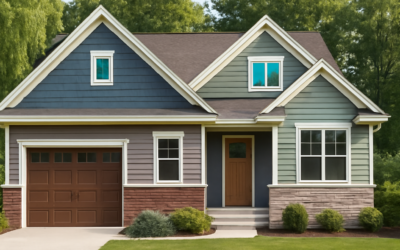
Engineered wood siding has a reputation for landing in the sweet spot between vinyl and fiber cement on price, and that reputation mostly holds. The typical LP SmartSide siding cost runs roughly $6 to $12 per square foot installed for lap siding, with material alone often in the $2 to $4.50 range per square foot depending on profile, thickness and whether you buy it primed or prefinished. Panel siding usually costs a bit less, and trim is priced by the linear foot.
For a typical 2,000 sq ft wall area, that puts a full re-side somewhere around $12,000 to $24,000 before tear-off, painting and repairs, with wide swings by region. Prefinished boards, complex rooflines, many windows and old siding removal all push the number up. Simple, boxy homes in lower-cost labor markets come in at the low end.
- LP SmartSide Siding Cost by Product Type
- What You Get for the Money: Key Specs
- What Drives LP SmartSide Siding Cost Up or Down
- Estimating Your Own Project Step by Step
- LP SmartSide vs Vinyl and Fiber Cement
- Installation Tips and Common Problems
- When to Hire a Pro and How to Compare Quotes
- Frequently Asked Questions
The ranges here are general planning numbers gathered from installer quotes and published cost guides. Siding prices move with lumber markets and labor rates, so treat them as a starting point and get at least three written local quotes.
LP SmartSide Siding Cost by Product Type
The product line includes lap siding, vertical panels (smooth or board-and-batten style), trim, soffit, fascia and shakes. Lap siding is the most common pick and the main driver of most budgets.
| Product | Material cost | Installed cost | Notes |
|---|---|---|---|
| Lap siding, primed (38 Series) | $2 to $3.50 per sq ft | $6 to $10 per sq ft | Thinner profile, most common budget choice |
| Lap siding, primed (76 Series) | $2.50 to $4.50 per sq ft | $7 to $12 per sq ft | Thicker board, deeper shadow line |
| Lap siding, prefinished | $3.50 to $5.50 per sq ft | $8 to $14 per sq ft | Factory color; no site painting |
| Panel siding (4 x 8 or 4 x 9 sheets) | $1.50 to $3.50 per sq ft | $5 to $10 per sq ft | Fast to hang; board-and-batten looks |
| Trim boards | $1.50 to $4 per linear ft | $4 to $9 per linear ft | Corners, windows, doors, band boards |
| Soffit and fascia | $2 to $4 per sq ft or linear ft | $6 to $12 per sq ft or linear ft | Vented and solid soffit options |
| Vinyl siding (comparison) | $1.50 to $4 per sq ft | $4 to $9 per sq ft | No painting; less impact resistance |
| Fiber cement (comparison) | $2 to $5 per sq ft | $7 to $14 per sq ft | Heavier, silica dust when cut |
Primed boards need painting on site, which typically adds $1.50 to $4 per square foot if you hire it out. That is why a primed job and a prefinished job often end up closer in total cost than the material prices suggest.
What You Get for the Money: Key Specs
Understanding the specs helps you compare quotes, because two contractors may price different thicknesses or finishes under the same name.
- Two lap thicknesses. The 38 Series is the thinner board, listed by the manufacturer at about 0.354 in for its cedar-texture lap. The 76 Series is thicker, listed at about 0.418 in, and gives a deeper shadow line. The manufacturer’s FAQ allows the 38 Series on studs up to 16 in on center and the 76 Series up to 24 in on center for direct attachment.
- Long boards. Lap boards come in 16 ft lengths, which means fewer butt joints than many fiber cement and vinyl products. Fewer seams can trim labor time and caulking.
- Common widths. Lap widths are listed at roughly 6, 8 and 12 in nominal, with actual exposures smaller once boards overlap. The 6 in width in the 76 Series has been marked discontinued in recent literature, so check current availability.
- Treated strands. Boards are made with a treatment process the manufacturer calls SmartGuard, applied through the core to resist fungal decay and termites.
- Warranty. Standard boards carry a 5/50-year limited warranty: 100% labor and material coverage for the first 5 years and a prorated substrate warranty for 50 years. The prefinished ExpertFinish line adds a 15-year limited finish warranty on top of that.
Warranty terms and specs change over time. Ask your contractor which series and finish they are quoting, and read the current warranty document before signing, since coverage depends on following the installation instructions.
What Drives LP SmartSide Siding Cost Up or Down
House size and shape
Siding is priced on wall area, not floor area. A two-story home with gables, dormers and bump-outs has far more cutting and trim than a simple ranch with the same footprint. Expect complex homes to land at the top of the installed range.
Tear-off and sheathing repair
Removing old siding usually adds about $1 to $3 per square foot, more if there are multiple layers. Once the walls are open, rotted sheathing or framing must be fixed before new siding goes on, and those repairs are often unknown until tear-off. Build a 10 to 15 percent contingency into your budget.
Painting and finish
Primed boards need two coats of quality exterior acrylic paint within the window the manufacturer specifies. Prefinished boards cost more up front but skip the painting crew, and touch-up kits handle cut ends and nail heads.
Trim package
Window and door casings, corner boards, frieze boards and band boards add up quickly. A home with 20 windows can carry a trim bill that rivals a sizeable share of the siding itself.
Region and season
Labor is the largest part of the installed price, and it moves LP SmartSide siding cost more than any material choice. Metro areas with high labor rates sit at the top of every range, and peak summer schedules can bump quotes. Booking in shoulder seasons sometimes shaves a little off.
Estimating Your Own Project Step by Step
- Measure each wall. Multiply width by height for each rectangular wall section. For gables, multiply the base by the height and divide by 2.
- Subtract openings. Deduct garage doors and large windows. Most estimators ignore small windows, since the waste around them offsets the savings.
- Add waste. Add about 10 percent for simple walls and 15 percent for houses with many angles and gables.
- Count trim. Measure the linear feet of corners, window and door surrounds, and fascia separately.
- Price both finishes. Multiply your total by a primed price plus painting, then by a prefinished price. Compare the two totals.
- Add tear-off, wrap and flashing. House wrap, flashing tape, starter strips and fasteners often add a few hundred to a couple of thousand dollars depending on house size.
A good tape measure, a notepad and a simple sketch of each elevation are all you need for this first pass. Contractors will measure again, but your own numbers help you spot a quote that is far off.
LP SmartSide vs Vinyl and Fiber Cement
Vinyl usually wins on upfront price and needs no painting, but it can crack on impact in cold weather, sag or warp near heat sources such as grills, and offers fewer thick, wood-like profiles. Engineered wood siding costs more than basic vinyl but is stiffer, has deeper texture and can be painted any color as your taste changes.
Fiber cement and engineered wood often overlap in installed price. Fiber cement is noncombustible and very stable, but it is heavier, slower to handle and creates crystalline silica dust when cut, so crews need wet cutting or dust-collecting saws and respirators. Engineered wood boards are lighter, cut with standard woodworking tools and come in longer lengths, which tends to speed installation. Engineered wood depends on keeping its paint film and cut-edge sealing intact, and it must be installed with the required clearances from roofs, decks and grade.
Installation Tips and Common Problems
Most problems with engineered wood siding trace back to installation, not the product itself. These are the issues to watch on any job:
- Ground and roof clearance. Boards need the manufacturer’s specified gap above grade, above roofs and above decks. Siding buried in mulch or touching shingles wicks moisture and swells.
- Unsealed cut edges. Every field cut needs primer or paint. Bare edges absorb water.
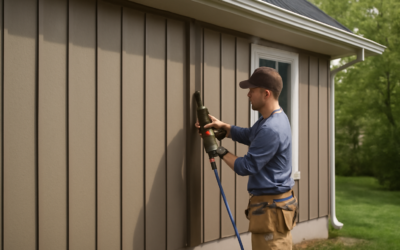
- Overdriven nails. Nail heads should sit snug to the surface, not countersunk. A pneumatic siding nail gun with depth adjustment makes this far easier to get right across a whole house.
- Missing gaps at joints and trim. Boards need the specified gaps at butt joints and against trim, sealed with a quality exterior sealant.
- Late painting. Primed boards must be painted within the time the manufacturer allows. Leaving primer exposed for a long time can void warranty coverage.
If you plan to DIY, read the current installation guide cover to cover before you buy materials. Working on ladders and scaffolding is the biggest safety risk on any siding job; use a stable ladder on firm ground, keep three points of contact, and leave second-story and steep-gable work to a crew with proper staging.
When to Hire a Pro and How to Compare Quotes
Most homeowners hire this job out. A pro crew can side an average house in about one to two weeks, handles flashing details around windows and roof lines, and typically qualifies the job for the manufacturer’s installer programs. Hire a contractor when the house is two stories or taller, when sheathing damage is likely, or when permits are required in your area.
When quotes come in, compare line by line: series and thickness, primed or prefinished, trim material, tear-off and disposal, house wrap, paint brand and coats, and warranty registration. A quote that is much lower than the others often leaves out tear-off, trim or painting. Ask whether the installer is certified in the manufacturer’s program, since certified installers may unlock extended warranty terms on certain products.
Frequently Asked Questions
How much does LP SmartSide cost per square foot installed?
Most lap siding jobs land around $6 to $12 per square foot installed, with prefinished boards reaching about $14. Panel siding often runs about $5 to $10 per square foot installed. Your region, house shape and tear-off needs drive the final price.
Is LP SmartSide cheaper than fiber cement?
Material prices are often similar, but engineered wood boards are lighter and come in 16 ft lengths, which can lower labor. Installed totals frequently overlap, so compare full local quotes rather than material prices alone.
Is LP SmartSide more expensive than vinyl?
Yes, in most markets engineered wood siding costs more than basic vinyl. It offers thicker profiles, better impact resistance and the option to repaint, which is why many homeowners accept the higher price.
What warranty comes with LP SmartSide siding?
Standard products carry a 5/50-year limited warranty: full labor and materials coverage for the first 5 years and a prorated 50-year substrate warranty. The prefinished line adds a 15-year limited finish warranty. Read the current terms before you buy.
How much does it cost to side a 2,000 sq ft house with LP SmartSide?
For about 2,000 sq ft of wall area, plan roughly $12,000 to $24,000 for lap siding installed, plus tear-off, trim and any sheathing repairs. Two-story and complex homes trend higher.
Does LP SmartSide need to be painted?
Primed boards must be painted within the manufacturer’s time window after installation. Prefinished boards come with a factory finish and only need touch-up on cut edges and nail heads.