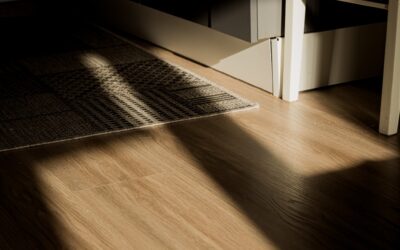
LVT tile flooring has become one of the most popular choices for homeowners and commercial spaces alike. Luxury vinyl tile offers the stunning look of natural stone or ceramic tile without the cold feel, difficult installation, or high price tag. Whether you are renovating a kitchen, bathroom, or entire home, LVT tile delivers durability, water resistance, and realistic visuals that rival the real thing.
- What Is LVT Tile Flooring?
- LVT Tile vs LVP: What Is the Difference?
- Types of LVT Tile Flooring
- Best Rooms for LVT Tile Flooring
- Top LVT Tile Brands for 2026
- LVT Tile Flooring Installation
- Subfloor Preparation
- Acclimation
- Click-Lock Installation Steps
- Glue-Down Installation Steps
- DIY vs Professional Installation
- LVT Tile Flooring Cost Breakdown
- Maintenance and Care
- Pros and Cons of LVT Tile Flooring
- Is LVT Tile Flooring Right for You?
In this comprehensive guide, we will break down everything you need to know about LVT tile flooring, from construction and formats to installation methods, top brands, and pricing for 2026.
What Is LVT Tile Flooring?
LVT stands for luxury vinyl tile. It is a type of resilient flooring manufactured in square or rectangular tile shapes designed to mimic natural stone, ceramic, porcelain, or even concrete. Each tile consists of multiple layers engineered for performance and aesthetics.
The typical construction of an LVT tile includes a backing layer for stability, a core layer (either WPC or SPC depending on the product line), a high-resolution photographic design layer, and a clear wear layer on top that protects against scratches, stains, and daily wear.
Unlike traditional ceramic or porcelain tile, LVT is warmer underfoot, quieter to walk on, and far more forgiving if you drop a glass or plate. It is also significantly lighter, making it suitable for upper floors and areas where subfloor weight capacity is a concern.
LVT Tile vs LVP: What Is the Difference?
One of the most common questions buyers ask is how LVT tile differs from LVP (luxury vinyl plank). The answer is straightforward but important for your design goals.
Format and Shape
LVT comes in square or rectangular tile shapes, typically 12×12, 12×24, 16×16, or 18×18 inches. LVP flooring comes in long plank shapes that mimic hardwood, usually 6 to 9 inches wide and 36 to 72 inches long. The format you choose determines the overall aesthetic of your floor.
Design Aesthetic
LVT tile is designed to replicate stone, slate, marble, travertine, or ceramic tile looks. LVP is designed to replicate wood species like oak, hickory, or walnut. If you want a stone or tile look without the hassle of real tile, LVT is your answer.
Construction and Performance
From a performance standpoint, LVT and LVP are essentially identical. They share the same core technology, wear layer options, and waterproof properties. The difference is purely in shape and visual design. Both are excellent choices for kitchens, bathrooms, basements, and high-traffic areas.
Grout Options
Some LVT tile products are designed to be installed with grout lines, giving an even more authentic tile appearance. LVP planks do not use grout. If having realistic grout lines matters to you, LVT tile is the better option.
Types of LVT Tile Flooring
Not all LVT tile is created equal. Understanding the different types will help you choose the right product for your space and budget.
Glue-Down LVT
Glue-down LVT tiles are adhered directly to the subfloor using a full-spread adhesive. This is the traditional installation method and is still widely used in commercial settings. Glue-down LVT tends to be thinner (2mm to 3mm) and requires a perfectly smooth, level subfloor.
Advantages of glue-down include a very low profile that works well with existing door clearances, excellent stability in large open areas, and the ability to create custom patterns. The downside is a more labor-intensive installation process and difficulty removing tiles if you want to change your floor later.
Click-Lock LVT
Click-lock LVT tiles feature interlocking edges that snap together without adhesive. This is the most popular option for residential DIY projects. Click-lock tiles are thicker (typically 4mm to 8mm) because they include a rigid core, usually SPC (stone polymer composite) or WPC (wood polymer composite).
Click-lock installation is faster, more forgiving of minor subfloor imperfections, and the floor can be removed and reinstalled if needed. This is the format most homeowners choose for kitchens, bathrooms, and basements.
Loose-Lay LVT
Loose-lay LVT relies on its own weight and a friction-grip backing to stay in place without glue or click mechanisms. It is easy to install and replace individual tiles, making it popular for commercial spaces where sections may need periodic replacement. However, loose-lay is less common in residential applications.
Groutable LVT
Groutable LVT tiles are specifically designed to accept grout between tiles, creating a look that is nearly indistinguishable from real ceramic or stone tile. Brands like Mannington Adura and Stainmaster offer groutable options. The grout is typically a flexible, polymer-based formula rather than traditional cement grout.
Best Rooms for LVT Tile Flooring
LVT tile flooring is incredibly versatile, but it truly excels in certain areas of the home.
Kitchens
The kitchen is arguably the number one room for LVT tile. It offers the stone or tile look that many homeowners want in a kitchen while being waterproof, comfortable underfoot during long cooking sessions, and easy to clean. Dropped dishes are less likely to break on LVT compared to ceramic tile.
Bathrooms
LVT tile is fully waterproof, making it an excellent bathroom flooring choice. The tile format feels natural in a bathroom setting, and the warmer surface temperature compared to real tile is a welcome benefit on cold mornings.
Basements
Basements are prone to moisture, and LVT tile handles it with ease. SPC-core LVT is particularly well-suited for below-grade installations because it will not swell, warp, or grow mold when exposed to moisture.
Entryways and Mudrooms
High-traffic entryways benefit from the durability and easy maintenance of LVT tile. A stone-look LVT in an entryway creates a polished first impression without the worry of cracking from heavy foot traffic or dropped items.
Laundry Rooms
Like bathrooms and kitchens, laundry rooms deal with water exposure. LVT tile provides a stylish, waterproof solution that can handle the occasional washing machine overflow or spill.
Top LVT Tile Brands for 2026
The LVT market has matured significantly, and several brands stand out for quality, selection, and value.
Mannington Adura
Mannington’s Adura line is widely considered one of the best LVT tile collections available. The Adura Max and Adura Flex collections offer realistic stone and tile visuals, groutable options, and excellent wear layers. Pricing typically ranges from $3.50 to $6.00 per square foot for materials.
COREtec Stone
COREtec, a USFloors brand now under Shaw, offers their Stone collection with an SPC core and attached cork underlayment. The tiles feel premium, install easily with click-lock, and come in a variety of marble, slate, and concrete looks. Expect to pay $4.00 to $5.50 per square foot.
Armstrong Alterna
Armstrong’s Alterna line has been a groutable LVT pioneer. These tiles are designed to be installed with grout for the most authentic tile look possible. They come in 12×24 and 16×16 formats with an extensive range of stone designs. Pricing runs $3.00 to $5.00 per square foot.
Karndean Korlok Stone
Karndean is a UK-based brand known for premium luxury vinyl. Their Korlok Stone tiles feature a rigid core, K-Core technology for dimensional stability, and some of the most realistic embossed textures on the market. Pricing is on the higher end at $4.50 to $7.00 per square foot.
Stainmaster LVT
Available at Lowe’s, Stainmaster LVT offers excellent value with groutable and non-groutable options. These are a solid mid-range choice for budget-conscious homeowners who still want reliable performance. Prices range from $2.50 to $4.00 per square foot.
LVT Tile Flooring Installation
Installation requirements vary based on the type of LVT tile you choose, but there are some universal considerations.
Subfloor Preparation
Regardless of installation method, your subfloor must be clean, dry, and relatively level. For glue-down LVT, the subfloor must be very smooth since every imperfection will telegraph through the thin tiles. Click-lock LVT is more forgiving but still requires a flat surface within 3/16 inch over 10 feet.
Acclimation
Most manufacturers recommend acclimating LVT tiles in the room where they will be installed for at least 48 hours before installation. This allows the material to adjust to the room’s temperature and humidity.
Click-Lock Installation Steps
For click-lock LVT tile, the process is straightforward. Start in a corner of the room, working left to right. Connect tiles by angling the tongue into the groove of the adjacent tile and pressing down until it clicks. Use spacers along walls to maintain a 1/4-inch expansion gap. Stagger joints for a natural look and structural integrity.
Glue-Down Installation Steps
For glue-down LVT, spread adhesive evenly using the recommended trowel size. Allow the adhesive to become tacky (follow manufacturer’s instructions for open time), then place tiles carefully into position. Use a floor roller to ensure full adhesive contact and eliminate air bubbles.
DIY vs Professional Installation
Click-lock LVT tile is one of the most DIY-friendly flooring options available. Most homeowners with basic tools and patience can complete a room in a day. Glue-down and groutable LVT are better suited for experienced DIYers or professional installers due to the additional skill required.
LVT Tile Flooring Cost Breakdown
Understanding the full cost picture helps you budget accurately for your project.
Material Costs
LVT tile materials typically range from $2.00 to $7.00 per square foot depending on the brand, wear layer thickness, and core type. Budget options start around $2.00 to $3.00, mid-range products fall between $3.00 and $5.00, and premium lines run $5.00 to $7.00 or more.
Installation Costs
Professional installation for click-lock LVT runs $1.50 to $3.00 per square foot. Glue-down installation costs $2.00 to $4.00 per square foot due to the additional labor. Groutable LVT installation adds another $1.00 to $2.00 per square foot for the grouting step.
Additional Costs
Budget for underlayment if your LVT does not have an attached pad ($0.25 to $0.75 per square foot), transition strips ($10 to $30 each), adhesive for glue-down installation ($30 to $50 per gallon), and grout if applicable ($15 to $25 per bag). Also factor in 10% material overage for cuts and waste.
Total Project Cost
For a typical 500-square-foot kitchen, expect to spend $1,750 to $5,000 for materials and $750 to $2,000 for professional installation, bringing the total to roughly $2,500 to $7,000 depending on your product selection and installation complexity.
Maintenance and Care
One of the biggest advantages of LVT tile flooring is how easy it is to maintain.
For daily cleaning, sweep or vacuum regularly to remove dust and grit that can scratch the wear layer over time. Use a damp mop with a pH-neutral vinyl floor cleaner for deeper cleaning. Avoid harsh chemicals, abrasive scrubbers, and excessive water, even though LVT is waterproof.
Place felt pads under furniture legs to prevent indentation and scratches. Use doormats at entrances to reduce the amount of dirt and debris tracked onto the floor. For grouted LVT, clean grout lines periodically with a soft brush and appropriate grout cleaner.
With proper care, quality LVT tile flooring can last 15 to 25 years or more, making it one of the best values in the flooring market.
Pros and Cons of LVT Tile Flooring
Pros
LVT tile is 100% waterproof, making it suitable for any room including kitchens, bathrooms, and basements. It is softer and warmer underfoot than real tile or stone. Installation is fast and DIY-friendly with click-lock products. The realistic visuals rival natural stone at a fraction of the cost. Maintenance is minimal, and the floor resists scratches, stains, and dents. Groutable options provide an almost indistinguishable look from real tile.
Cons
LVT does not add the same resale value as real hardwood or natural stone. Very heavy furniture can cause indentation over time if protective pads are not used. Cheaper LVT products may have thin wear layers that show wear in high-traffic areas sooner. LVT is a petroleum-based product, which may be a concern for environmentally conscious buyers. It cannot be refinished like natural hardwood, so once the wear layer is gone, the floor needs replacing.
Is LVT Tile Flooring Right for You?
LVT tile flooring is an excellent choice if you want the look of natural stone or ceramic tile without the cost, cold feel, or difficult installation. It is especially well-suited for families with kids and pets, homes with moisture-prone areas, and anyone looking for a beautiful, durable floor that requires minimal maintenance.
If authenticity and long-term resale value are your top priorities, real natural stone flooring or ceramic tile may be worth the investment. But for most homeowners balancing beauty, performance, and budget, LVT tile flooring is one of the smartest choices you can make in 2026.
Prefer to explore on your own?
See how new flooring looks in your actual room in seconds — free, no signup.
Try the free Floor Studio →